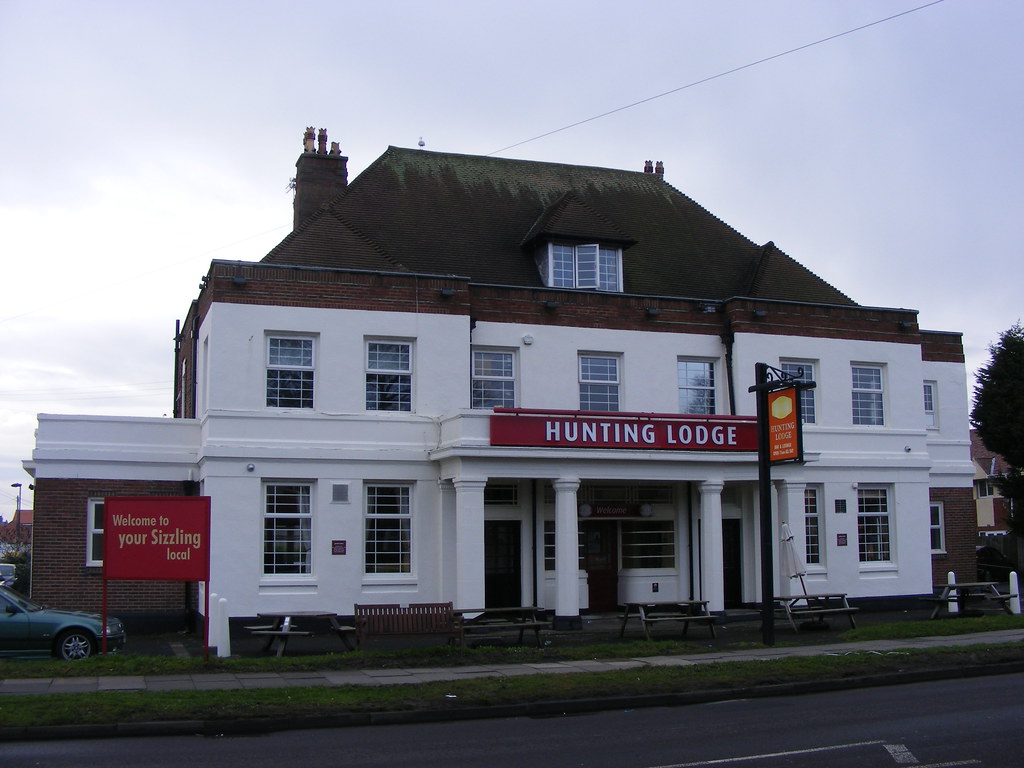
I really enjoyed going to The Hunting Lodge with my Dad last night for a couple of pints. We had a really nice time it was good we sat in The Lounge where I sit with Carl sometimes on a Saturday then we went back home for dinner.
Weevl Bloggers Corner

I really enjoyed going to The Hunting Lodge with my Dad last night for a couple of pints. We had a really nice time it was good we sat in The Lounge where I sit with Carl sometimes on a Saturday then we went back home for dinner.
On 8 December 1941, the day after the attack on Pearl Harbor, Japanese forces launched an all-out assault on Hong Kong, then a British colony. Following 18 days of brutal fighting, the defending troops surrendered and Hong Kong fell. The Japanese military occupation began.
The stories and lives of those upended by the events in Hong Kong are detailed in Series CO 1070, recently catalogued by volunteers at The National Archives. The series comprises of nominal cards – or index cards used to record information – created by civilian internees and some prisoners of war who were seized following the invasion. Following the project, the cards are now catalogued by name of individual creating over 4,250 individual records. These include people like Joseph Swetland who took up arms against the invaders; Brenda Morgan who treated the wounded; and those interned, such as Dr Talbot who tried to get money for those in need. As the records show, their lives, and others, were forever changed.
The cards, handwritten, in pen, pencil and crayon, show that details of death or internment were often only discovered months or even years after the event. They show the desperate scramble for any information about survivors and are a testimony to the chaos that overwhelmed the island. Some cards bear good news: they are overwritten with scrawled details of survivors’ long journey home after the war, most by ship, some by air.
The cards include employment details. These read like a gazetteer of trades in Hong Kong before the war – all the businesses that you’d expect to find in a busy flourishing international port in 1940, such as dock workers; police and customs; a petroleum company; public bodies such as water works, the post office, the prison, schools and the university; food processing, such as a sugar refinery; and religious organisations such as missions, convents and a cathedral. There are some familiar names such as Thomas Cook and Sons, the Singer Sewing Machine Company, the Salvation Army, American Express, the Bata Shoe Company. As well as British and Chinese, there are people of many other nationalities.
Also listed are job titles: from brokers, tea traders, shipwrights, junk inspectors, accountants, shopkeepers and clerks to university lecturers, priests, nuns, teachers, doctors, and nurses.
All these ordinary people were pitched into the full horrors of war when, just after the Japanese attack on Pearl Harbour, the Japanese launched their attack on the mainland defence lines around Hong Kong. These were held by British, Canadian and Indian Army Regiments, plus a few RAF planes. The waters around were protected by a few Navy vessels. These forces were supported by the Hong Kong Volunteer Defence Corps and Naval Volunteers, both young and old – some had served in the First World War.
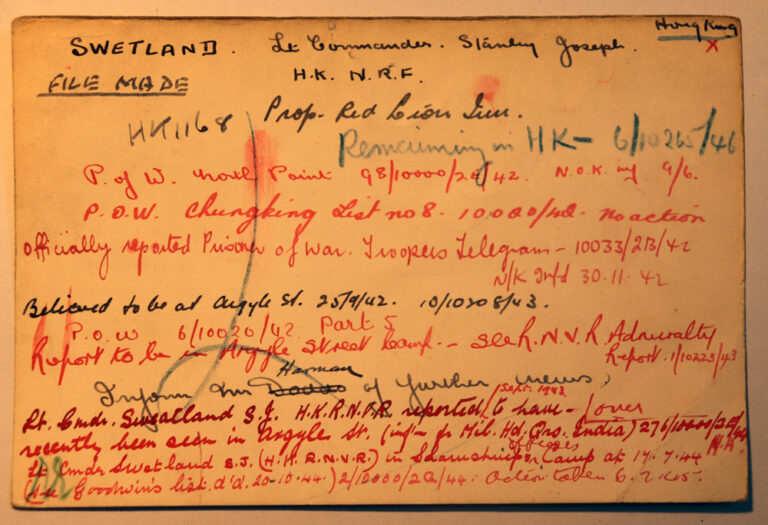
Clerks, accountants, lawyers, and others left their day jobs and took up their guns to defend the Colony. People like Joseph Swetland, the proprietor of the Red Lion Inn, who was also a Lieutenant Commander in the Naval Reserve (CO 1070/7/351: pictured). They put up a brave fight, but the result was inevitable. Attacked by overwhelming forces, many paid with their lives, on the battlefield, or injured and then bayoneted by the Japanese who often did not take prisoners. Joseph’s card shows that he was captured and taken to a prisoner of war camp, and fortunately survived the war.
Many wives had enrolled as Voluntary Aid Detachment (VAD) Nurses. There were also military nurses: the elite Queen Alexandra Imperial Nursing Service (QAs), who were working at Bowen Road Military Hospital. As injured people flooded in, this hospital was soon under bombardment. Neighbouring buildings were pressed into service. One such was St Albert’s Convent under its New Zealand matron, Kathleen Thomson (CO 1070/7/468), where QA Brenda Morgan (CO 1070/5/463) was nursing. A direct hit killed Brenda and seriously injured Kathleen. Despite the dangers, nurses and doctors continued to work.
As the Japanese surged forward on Christmas Day, another hospital at St Stephen’s College, a former boys’ school, lay on the front line and witnessed terrible atrocities. Survivors gave an account after the war to the Tokyo War Crimes Trial. Nurses and doctors were attacked, some nurses raped, doctors and nurses murdered, patients bayonetted. Nurse Ida Andrews-Levinge (CO 1070/4/557) survived and gave testimony after the war: her testimony is in the Imperial War Museum.
The surrender of Hong Kong on 25 December brought some small relief to the hospital. Surviving staff and wounded were rounded up to be interned. Elsewhere in the Colony, the cards show that surviving soldiers were taken as prisoners of war to terrible military camps across Japanese-held territory. Some died in transfer, including most of those shipped on the Lisbon Maru, which was sunk.
Most civilians were held at Stanley Road Camp. Although many families had been evacuated, usually to Australia, many, unaware of the danger, stayed too long. Whole families ended up in Stanley Road Internment Camp. Despite the conditions, there were even some marriages and births.
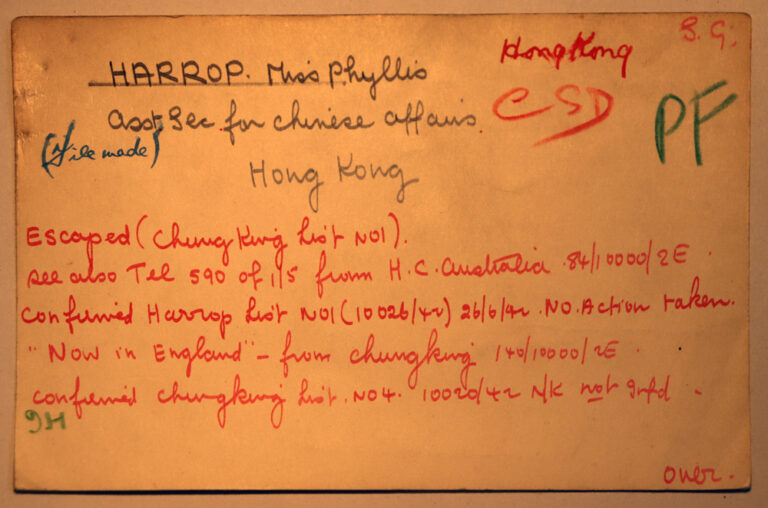
Few escaped – just surviving was challenge enough. However, for some their nationality protected them. Phyllis Harrop (CO 1070/3/438: pictured), a civil servant in Hong Kong, had been married to a German national. Like other government officials, she was not immediately interned but given administrative work by the Japanese. She did not tell the Germans she was now divorced and managed to get a pass, which enabled her to board a ferry and leave in January 1942. She went to Chungking, taking with her lists of the internees that she had been putting together under Japanese orders.
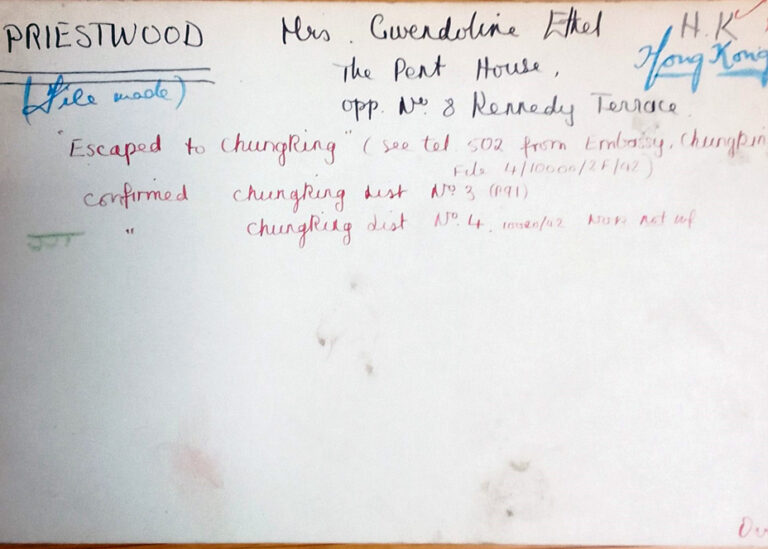
A few even escaped from internment. Police Superintendent Walter Thompson (CO 1070/7/455) and Gwendoline Ethel Priestwood, nee Fullbrook (CO 1070/6/398: pictured), a secretary and volunteer nurse, who met in Stanley Road internment camp and resolved to team up and escape. Thompson spoke Cantonese. Equipped with revolver, compass and map, they crawled under the barbed wire on 19 March 1942 and – helped by a fishing junk and the Chinese guerrillas – reached Free China. Hidden with her, Priestwood carried lists of the Stanley Camp internees to the British in Free China’s wartime capital, Chungking.
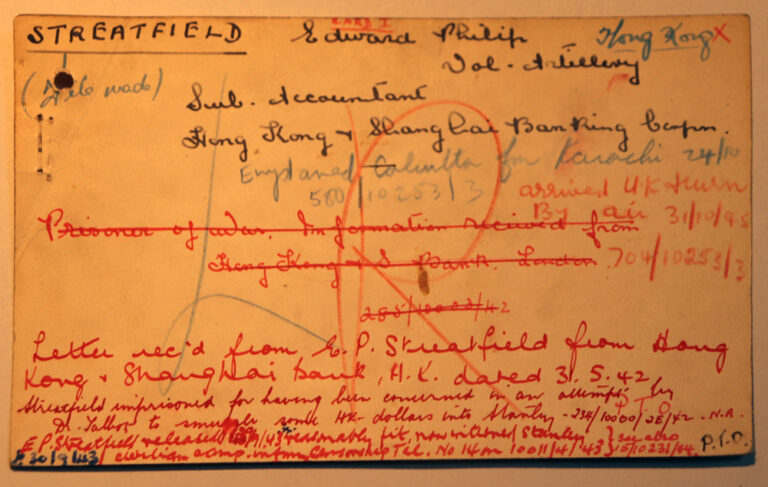
One group of civilians were not immediately interned. These were Hong Kong’s bankers, who were required by the Japanese to liquidate the banks. With enormous courage, several used the opportunity to get food and money to buy essential supplies into Stanley Road Camp. They included Sir Vandeleur Grayburn (CO 1070/3/221), Chief Manager of the Hong Kong and Shanghai Banking Corporation (HSBC), and Edward Streatfield, a senior accountant at HSBC (CO 1070/7/300 – pictured).
Some money was smuggled in by Dr Talbot via St Paul’s Hospital (CO 1070/7/365). Tragically Talbot was caught and with incredible courage, Grayburn and Streatfield approached the Japanese to say that they had given the money to Dr Talbot to improve conditions in the camp and that it was from American internees who had been repatriated in July 1942. Along with other brave souls they were imprisoned and tortured. Grayburn died but Talbot and Streatfield survived and were released to Stanley Camp in September 1943.
Others took resistance to the Japanese further. Charles Frederick Hyde (Ginger) (CO 1070/4/87) another banker, not only smuggled food but also listened to an illegal radio and was in touch with the Resistance. He was caught, imprisoned and beheaded by the Japanese on 29 October 1943. His wife Florence Eileen Hyde (nee Burgess) and their son Michael were interned but Florence died of cancer during her internment. Florence was friends with Lady Grayburn, wife of Sir Vandeleur, and she adopted Michael. They survived internment but Michael died in an accident in the 1950s.
Despite overcrowding, disease, malnutrition and the cruelty of their guards, most internees in Stanley Camp survived their grim ordeal. They found different ways to make their internment more bearable, some risking their lives to defy the Japanese.
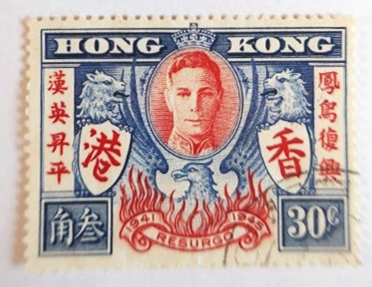
Edward Irvine Wynne-Jones, the Postmaster General (CO 1070/4/229), spent time secretly designing a victory stamp (pictured). He was helped in this by William Ernest Jones (CO 1070/4/243) – not a relation – but the chief draughtsman at the Public Works Department. After the war, Wynne-Jones took his hand-drawn stamp back to Britain and King George VI gave permission for this to be a special issue. The only change needed was the date: Wynne-Jones had over-optimistically put 1944 as the year of liberation.
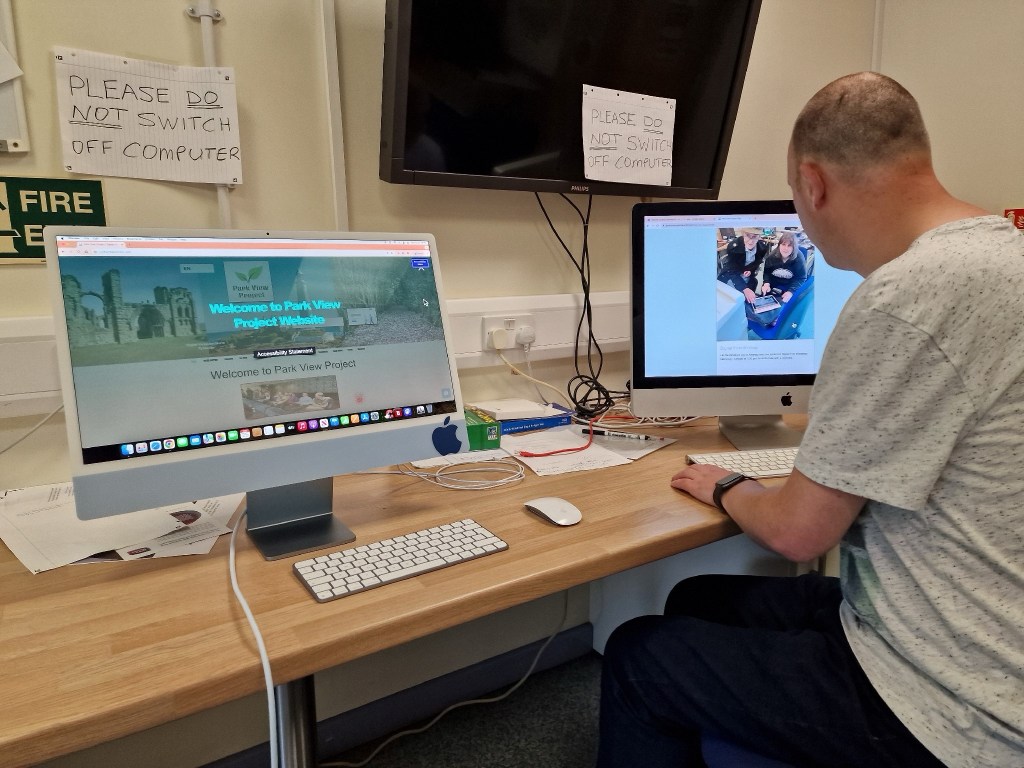
It’s Fun Using AI For Digital Learning.

Before the First World War began, the British Intelligence service was extremely small. On the outbreak of war, around 50 soldiers, police officers and civilians were called up by the War Office to form an intelligence team.
The Intelligence Corps was designed to develop strategies for the deployment of soldiers, fusing together information from a number of sources. This was intended to give the Army the upper hand on the battlefield, with increased knowledge of the enemy’s whereabouts.
The first operations saw members of the Intelligence Corps riding motorbikes onto desolate battlefields, into unused trenches and around areas where the enemy was suspected to have been.
One of the better-known spy-bikers was Second Lieutenant Rollerston West, who earned a Distinguished Service Order (DSO) for his exploits in 1914. Having ridden to the French village of Pontoise to retrieve maps left behind during the British Expeditionary Force’s (BEF) retreat, he discovered a bridge crossing the river Oise that had been prepared for demolition. The bridge was duly destroyed, delaying the German Army’s advance and safeguarding the BEF’s withdrawal.
The Intelligence Corps ran many other operations during the First World War, including placing soldiers behind enemy lines and protecting soldiers from enemy spies. Some parts of the Corps also worked with special psychology units, developing prisoner-of-war debriefing techniques in order to retrieve further information.
The First World War had a huge effect on the growth of the Intelligence Corps and it proved to be an essential formation for modern warfare. However, the Corps was not sustained during the inter-war era, and had to be rebuilt during the Second World War.
🛣️ About the Highway Patrol Expansion 🛣️
For a long time, the highway connecting Brighton and the State of Franklin was closed due to a major traffic accident, and required extensive construction work. The Mayor of Brighton is now happy to announce that the grand reopening has been held. The Brighton Police Department and its officers are now able to patrol the highway with exciting new assignments, new challenging tasks and responsibilities, and even new tools, such as the spike strip and roadblock requests to stop fleeing carjackers.
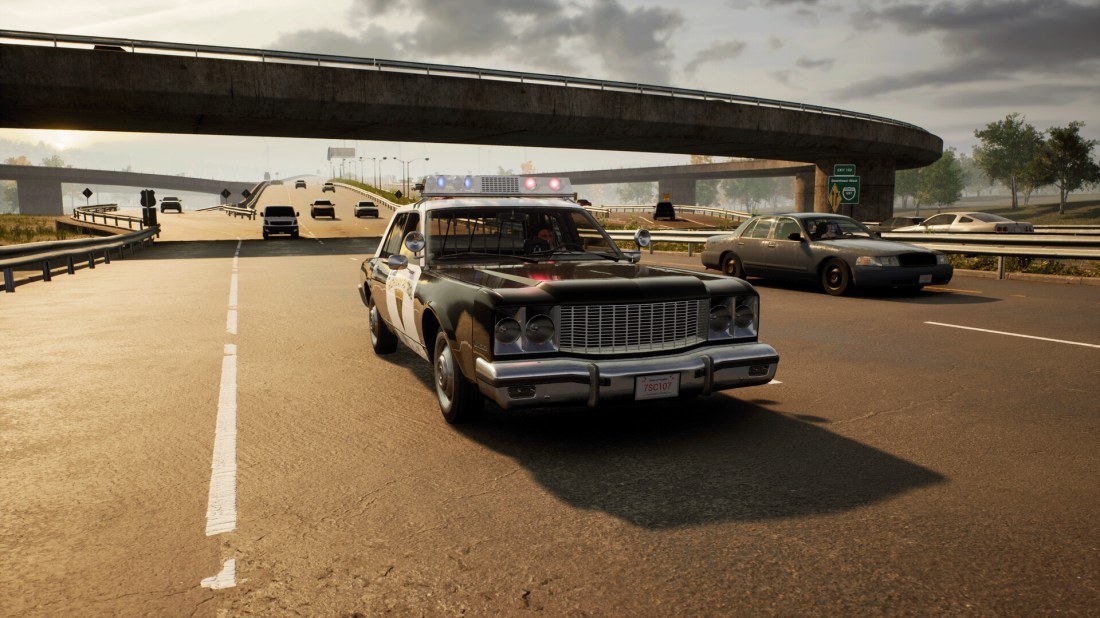
Now that the highway is reopened, there is an increased risk of auto thefts, bigger accidents involving cargo trucks, fires, and scattered cargo. Your daily duties will be extended to include monitoring speeders, providing assistance to stranded drivers, and checking cargo trucks for illegal items. At the end of the day, you need to promote safety on the highway. The highway expansion will also feature the new Interstate Police Vehicle, which allows players to patrol the highway in style.
NEW PATROL AREA: Brighton Highway district
NEW FEATURES: highway chases, tactical maneuvers, and more
NEW MISSIONS: new callouts, such as cargo checks and highway assistance
NEW RESPONSIBILITIES: manage and promote highway traffic safety
NEW VIOLATIONS: such as auto theft, major highway accidents, and more
NEW TOOLS: such as the spike strip, roadblocks, and fire extinguisher
NEW CAR: Interstate Police Vehicle
NEW CAR: Endurance Police Vehicle
And i have been playing on the update Police Simulator: Patrol Officers: Highway Patrol Expansion
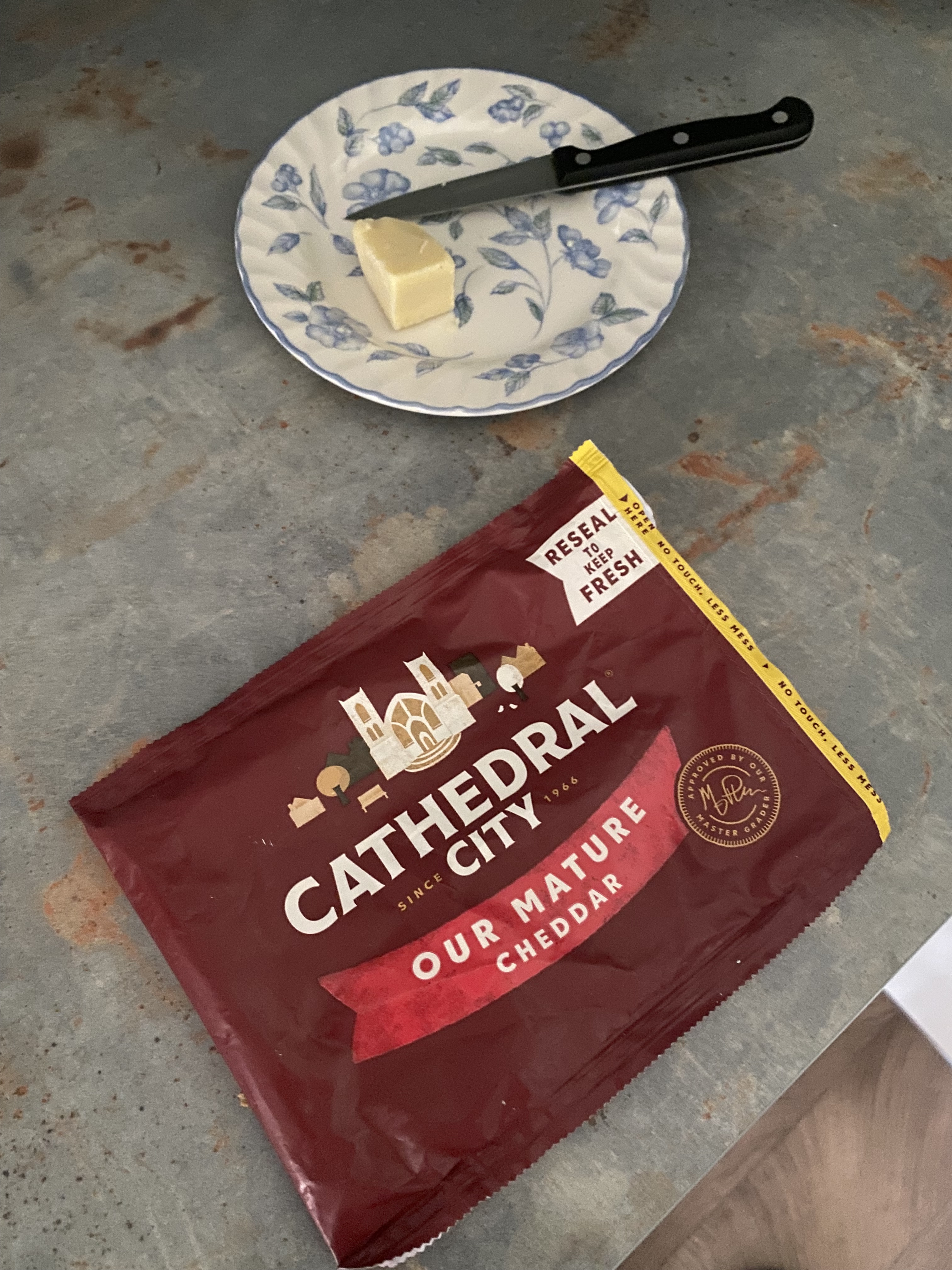
This is one of my favourite cheeses me and my Dad have it after dinner sometimes. I love having it a lot of the time. It is white cheese’s inside the red bag and it always tastes lovely to I love it.


I always put my iWatch on charge every night before I go to sleep. It is very important to charge your iWatch every night before you go to sleep so it lasts all day the next day and it dose not end up dead the next day.


I am looking forward to watching this year’s Wwe Hall Of Fame again on the Wwe Network sometime I thought it was really good. It is for 2 hours and 32 minutes just over 2 and a half hours.

See below for a job description for the post of Community Development. Please see application form for completion. Do not respond to this blog for further information.
You can also download an application form from the VONNE dashboard https://www.vonne.org.uk/dashboard-main?token=Of14FA9EFi8IrwjHXcmTBivfd_VL33X0wraiK7OFo0M
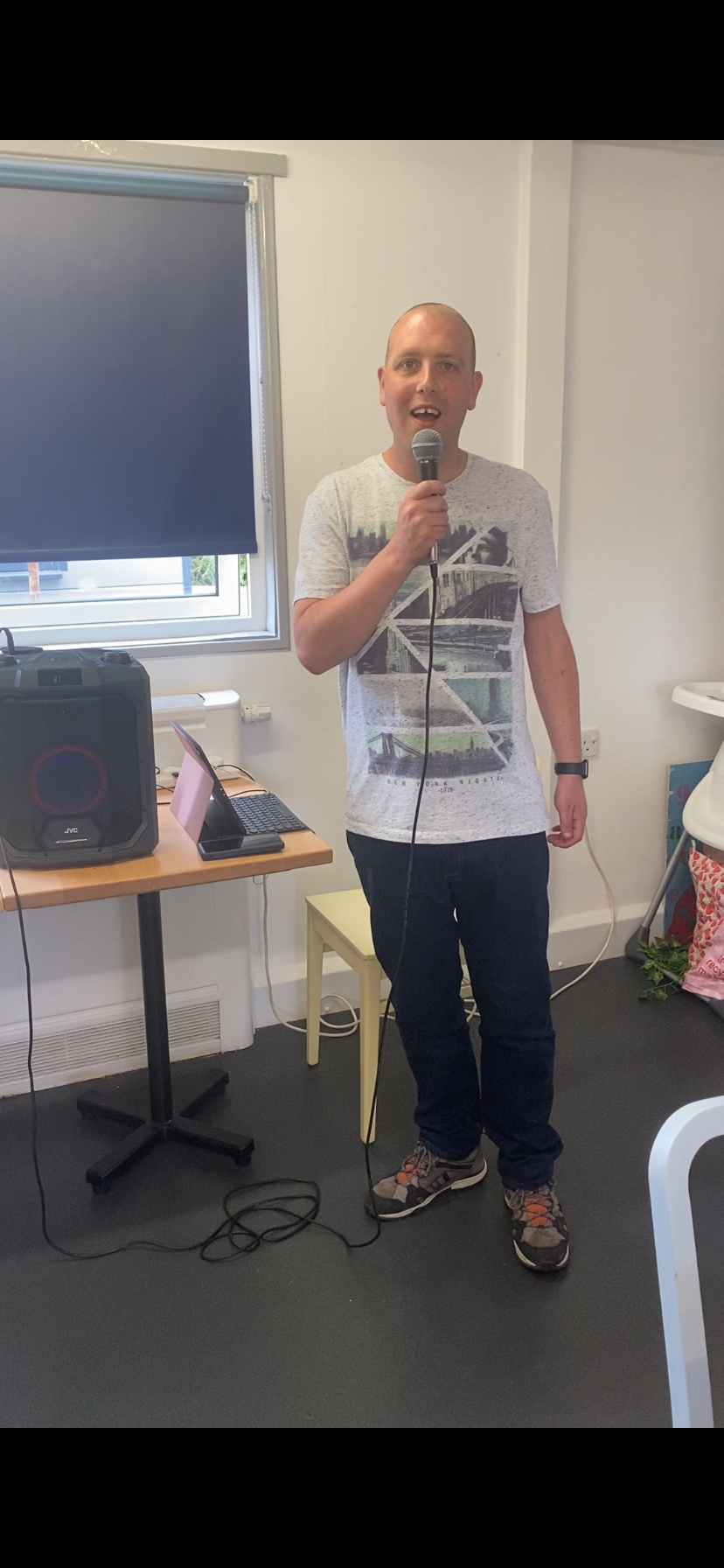

I really enjoyed going on The Karaoke in The NTDF Cafe again today I had fun on it again I sang another one of my favourite songs. I sang Ed Sheeran Bad Habits from 2021 three years ago from when I was thirty four when I was in my mid thirties.
 Weevles Updates Disabled Bloggers Team