I am looking forward to TSW7 that iam look forward to playing on my new game
Category: General interests
For all blog posts without a category
my rabbit is called Anna
Anna keeps me company at night times

North Tyneside Disability Forum – Cash For Kids
Please click the lihttps://www.cashforkidsgive.co.uk/campaign/cash-for-kids-north-east-community-challenge-2026/fundraisers/north-tyneside-disability-forum/?fbclid=IwY2xjawSeOmRleHRuA2FlbQIxMQBzcnRjBmFwcF9pZBAyMjIwMzkxNzg4MjAwODkyAAEeLDBJzvKLQZWwICuVELNJhgUslCsO1F53lVF9W3Jv6HU0MxRBQ2wtHdjUQM8_aem_98aSYEavfU5BsVJS-xtsZg to donate to this worth cause :

My video that i took a video of metro
This is my video of the metro service in tyne and wear this is one of the remaining of the one of the old metro that are still running on the system i board the metro at pelaw this is one of the station on the system of tyne and wear
Frustrated passport application
Passport processing difficulties
“I recently applied for a passport online. At first, I faced several barriers, including difficulties with the online system and challenges uploading the required documents. I worked through these issues by reviewing the guidance provided, correcting the problems, and resubmitting the information. Despite the initial obstacles, I successfully completed my passport application online.”

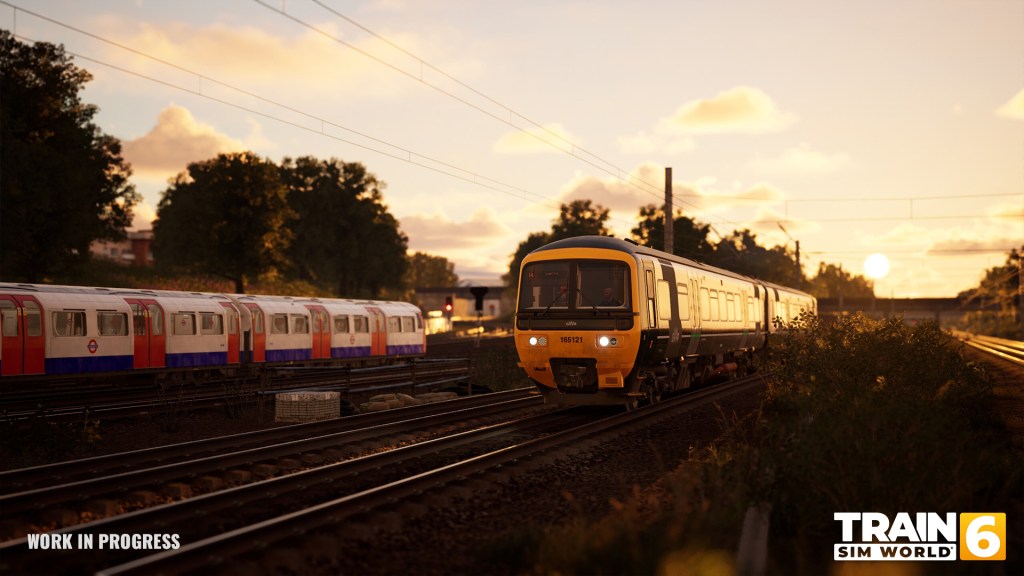
Medway Valley Line from Firefly Simulations
Medway Valley Line from Firefly Simulations
DTG James adorns his unofficial Firefly Simulations hat to bring you the team’s latest progress on the Medway Valley Line, coming soon to Train Sim World 6!
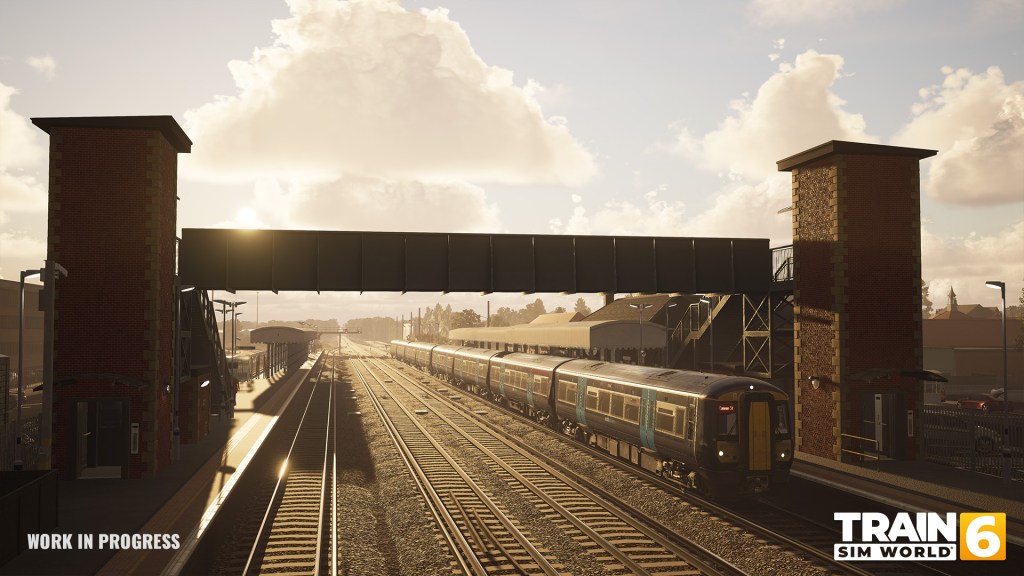
James: “Since the initial announcement in Season of Reveals, work has been apace with some of the remaining stations going in, particularly Paddock Wood and Tonbridge. As the largest stations on the route, these can often provide the greatest challenge in capturing the correct dimensions and layout and achieving the right level of detail – I’m pleased to say that both are looking stunning so far! One can already picture all the virtual trainspotting opportunities Tonbridge will provide.”
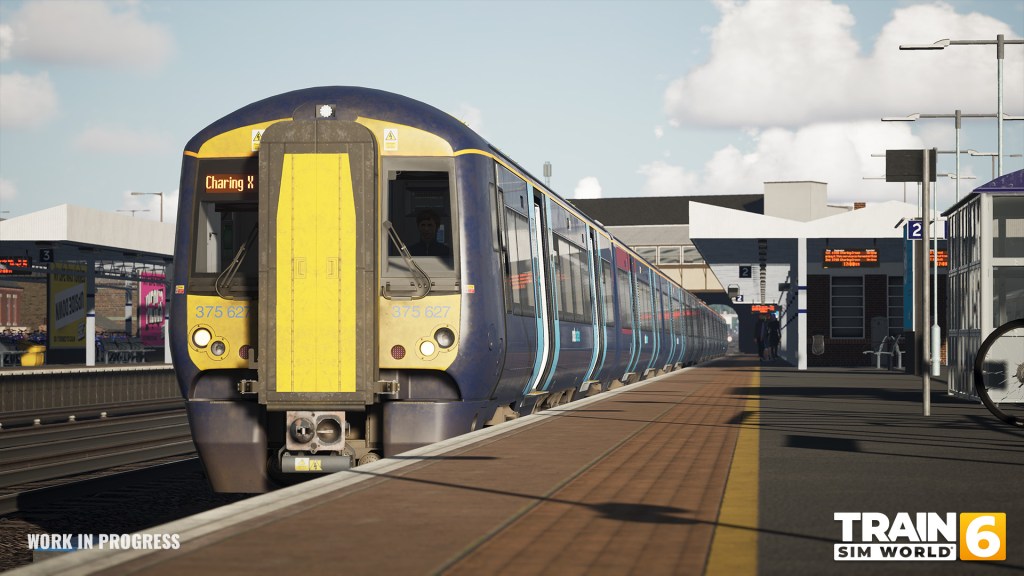
“With the bulk of the work on the Medway Valley itself wrapping up, attention has been turned to updating the existing North Kent & Chatham Main Line areas to a higher standard. This includes tons more detail on roads, a wider range of more accurate buildings and clutter being placed, all new foliage and more. Please note these updated sections are for MVL only, SEHS itself remains unchanged, but it’s still a remarkable improvement!”
Another key area of focus across the route has been the night lighting, ensuring driving after hours is just as, if not more enticing as enjoying the scenery during the day! Here’s other James/aka ‘JetWash’ takes you through some of the details, and there’s even a preview compilation of some nighttime scenes:
JetWash: “When we set out to do the night lighting scene I had a good think about what it was that we wanted to achieve. I looked at other sim games, at how they did night lighting and then at whether it was feasible to use those techniques within UE4. Ultimately, it was to make it so that players would be just as happy to drive the route at night (maybe even actively look forward to it) as they were during the day. The dark, and particularly the transition from dawn to dusk, is capable of giving the player some of the most spectacular lighting effects in the game when combined with the right weather settings. Further developing some of the techniques I have used previously I’ve really been able to dial down on where and when to put light sources both ‘real’ and for effect, making the route feel alive and lived in. Having access to the full range of TSW Unreal tools has also given me the opportunity to learn new techniques and apply them to Medway Valley.”
“One of the things I really wanted to add was distant lights at ground level. Drive down any dark road at night and in the distance you will see lights from houses, industry, commercial areas, roads etc. The reality, however, is that we can’t just throw hundreds of lights all over the map as there has to be a balance between performance and visual fidelity. I’ve co-opted a technique for distant lighting, where we have detailed lights immediately where the player is, a mixture of detailed and ‘fake’ distant lights in the medium distance then in the far distance entirely ‘fake’ emissive sources.”
“In addition to this I can use the same technique for boat lights, structure lighting, carparks and so on. Completing the night-time scene we have various other inexpensive light sources (traffic lights for example) that all contribute to you not driving a train down a dark track, only seeing lights when you come to a station. In addition, we have applied our own lighting setup to the route which also carries over into night time, where I’ve tuned the darkness of the sky, the brightness of the stars, the moon, clouds etc so it all sits together harmoniously and looks as realistic as I believe it is possible to get in a dynamic UE4 game like Train Sim World.”
“Finally, one other area I wanted to mention is that we have put a lot of effort into adjusting the day/night cycle as best we can and have really refined the sunrise and sunset times so the environmental lighting doesn’t just switch off at an arbitrary time, whether it remains dark or not. We’ve tested the route an awful lot and I think, within the scope of Medway Valley, we have achieved our aim. It goes without saying though, it’s only the tip of the iceberg of where we want to go next.”
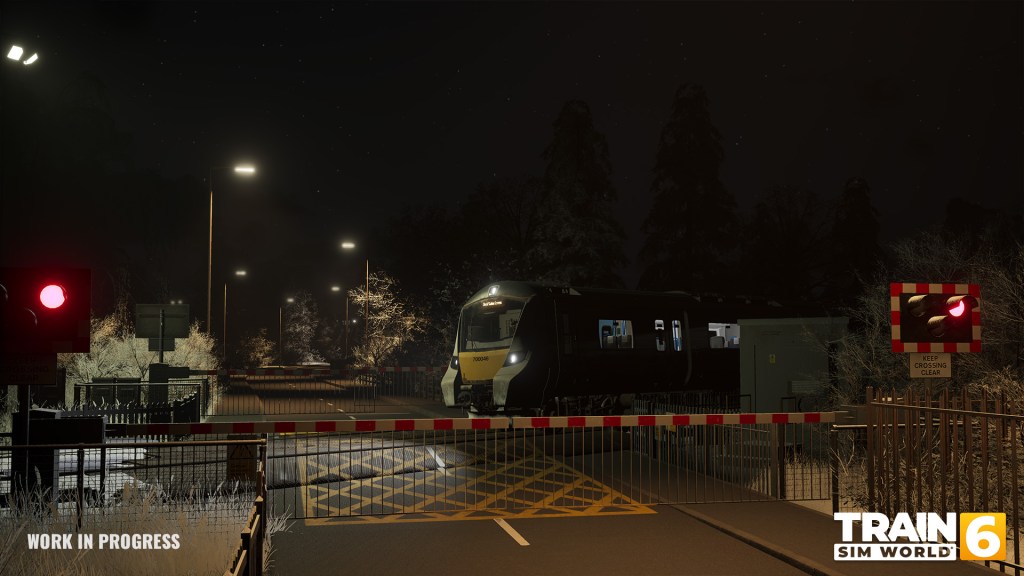
DTG James: “The detail on the route at night is going to be incredible to explore – hopefully you watched the video with audio on as well to get a sneak peek at the new sounds, platform announcements, and even the first snippet of GSM-R audio! You may have also noticed that the Class 375/3 is in the route too now with its distinct 3-car formation, we will have more information on the Class 375s in next month’s roadmap.”
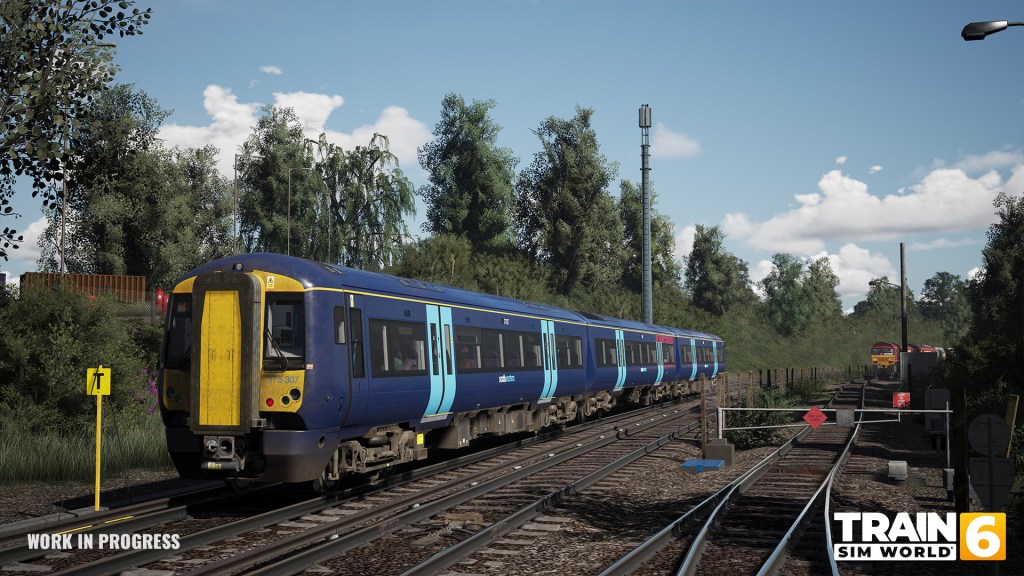
Lastly for this update, the gameplay is also shaping up nicely – the timetable features most Southeastern services at this point, including the Class 395 peak time services to Maidstone West, and some freight action courtesy of Skyhook Games’ Cargo Line Vol. 2. In a nice use of free will, a bonus layer has also been implemented for the Class 700 which depicts a what-if nighttime test run along the full length of the valley and back. This lets you give the 700 an extra stretch of its legs, but the panoramic window is also the perfect way to enjoy that stunning night lighting!
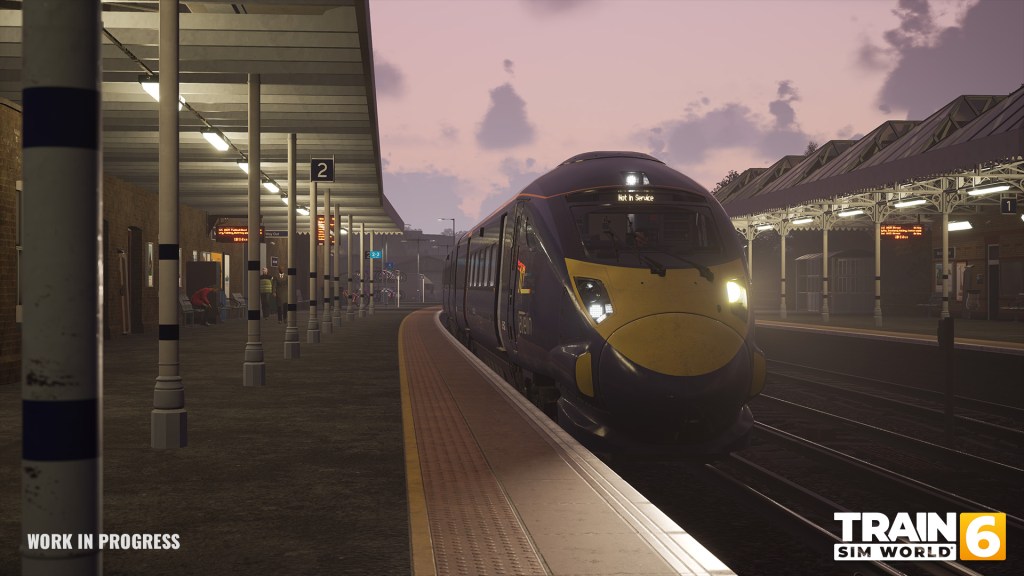
So many details shared and still only scratching the surface; you best be expecting some hefty deep dives from me in the future…
Thanks James, and James! We’re excited to show you more on the Medway Valley Line from Firefly Simulations in the coming months!
Great Western Express Remastered – Releasing This Friday!
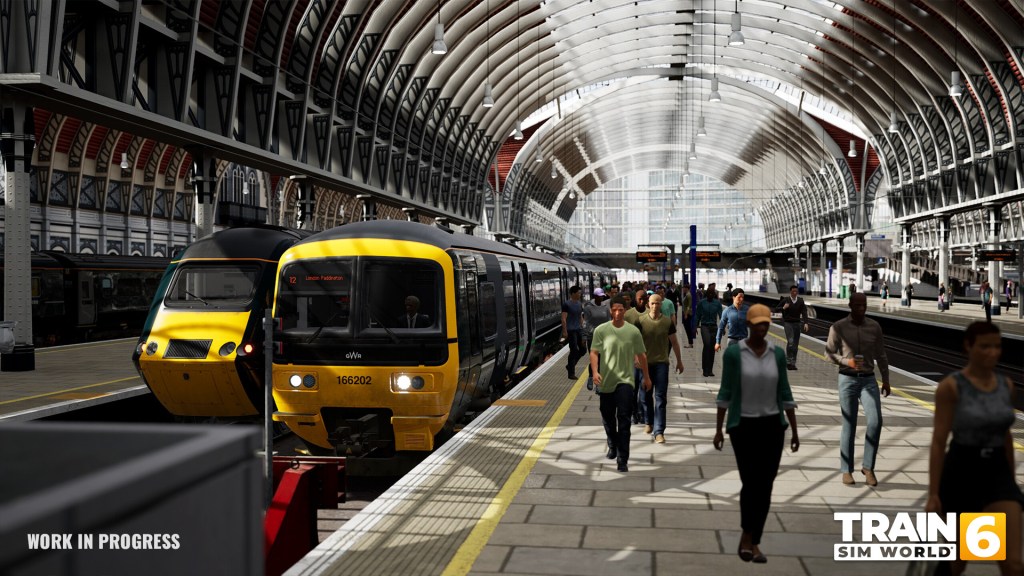
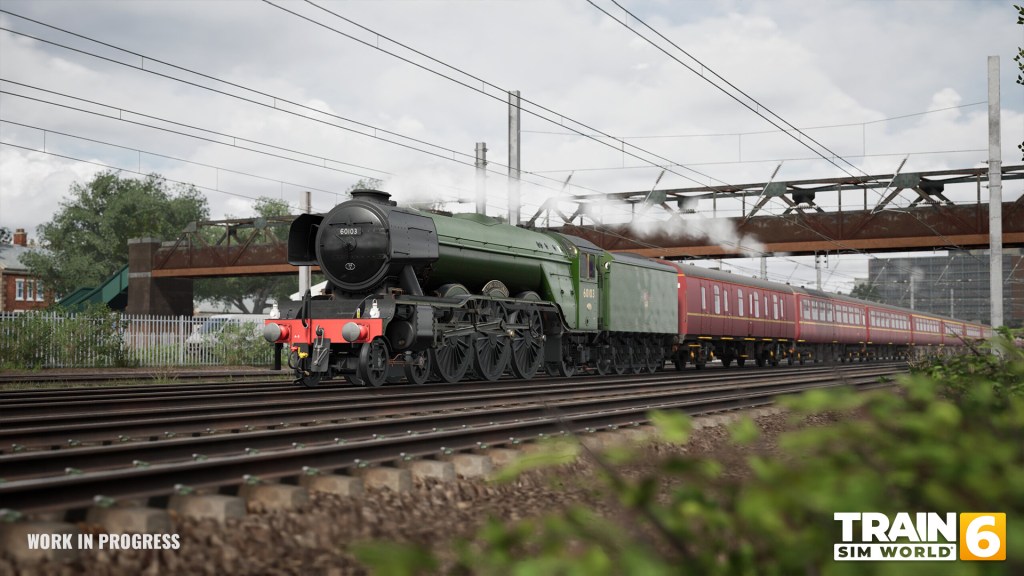
Here we go – the date is booked, it’s almost time to get your hands on the Great Western Express Remaster, arriving just in time for Festival of Rail, and on all platforms this Friday 6th February, with an update at 10:00am UTC.
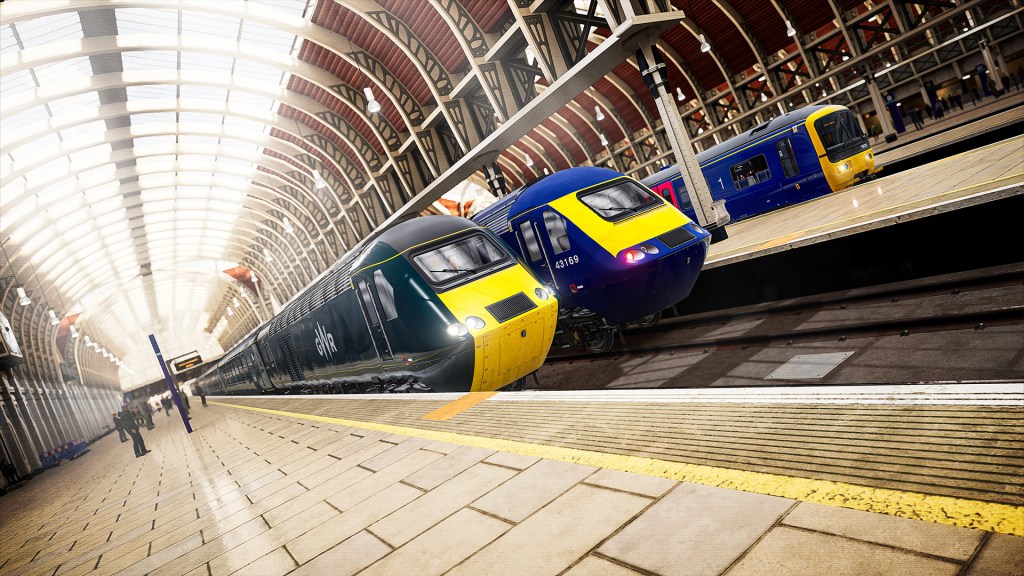
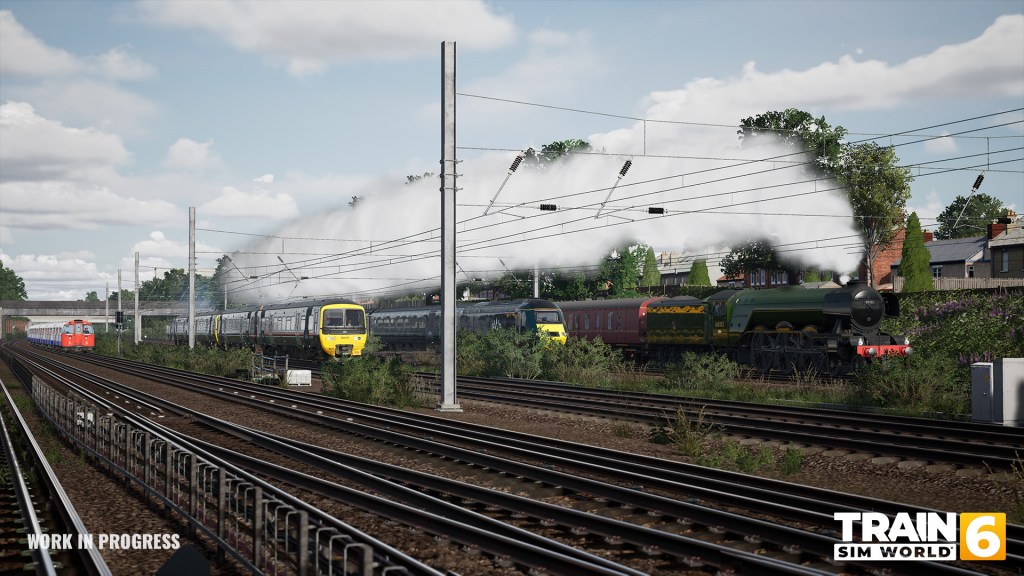
Here’s what you can expect to land with the upgrade:
New Timetables
- New 2017 Timetable (4,674 services & 1,335 playable). Layers up to 23 UK Add-ons to cerate the second-largest Uk timetable in TSW.
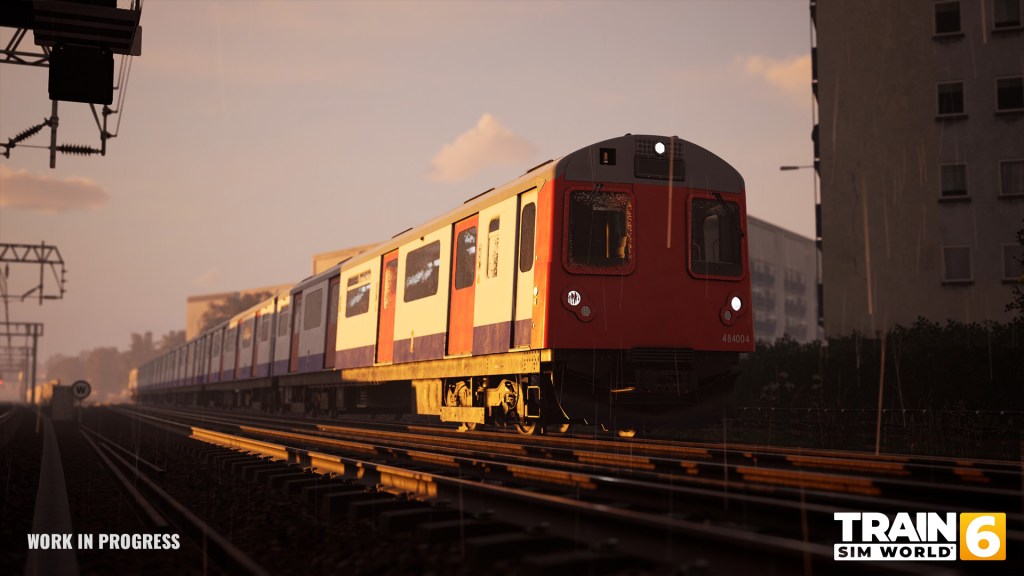
- Full London Underground Timetable. All Circle and Hammersmith & City line services playable using a Class 484.
- Full Heathrow Connect Timetable using a Class 350 in a Heathrow Connect inspired livery to represent the Class 360
Remastered Updates
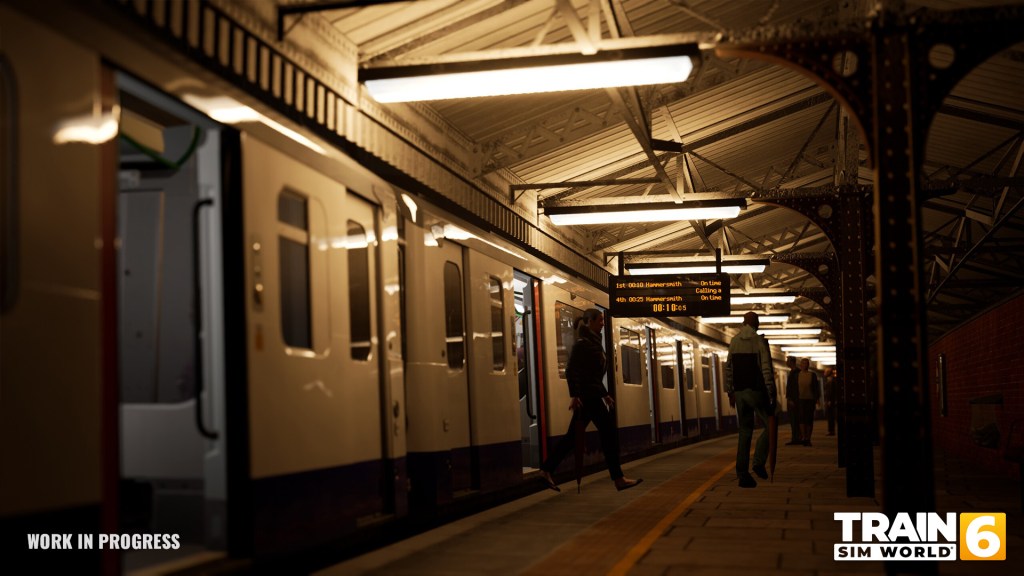
- Full lighting overhaul
- Route scenery and texture overhaul
- 2 new stations with full London Underground branding; Royal Oak Station and Westbourne Park.
- New London Underground platforms at Ealing Broadway
- Massive audio upgrade, including brand-new rail singing sounds
- All GWE and Diesel Legends stock upgraded (New wheel blur, guard mode, suspension, reworked lighting/weather vfx).
Once the GWE Remaster goes live, we’ll be opening a new thread in our Player Feedback Forums to gather your thoughts and opinions, and help us support the release as best as possible.
Me playing Boccia.

Marketing material
Thank you to Caroline Powell for Designing these marketing posters.
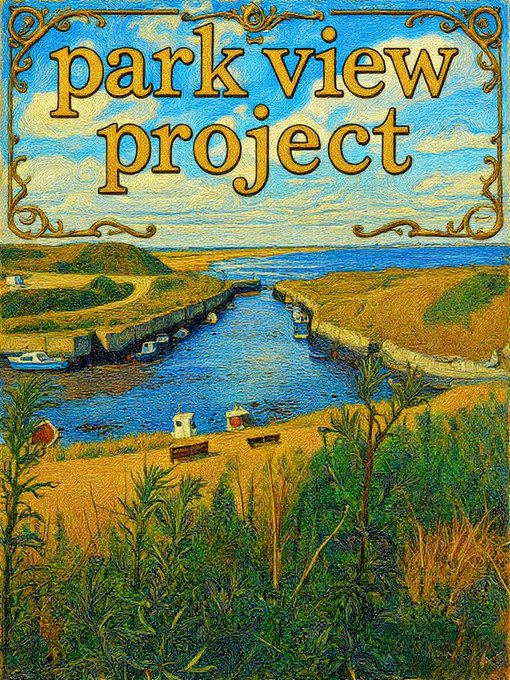
Local scene called Seaton Sluice
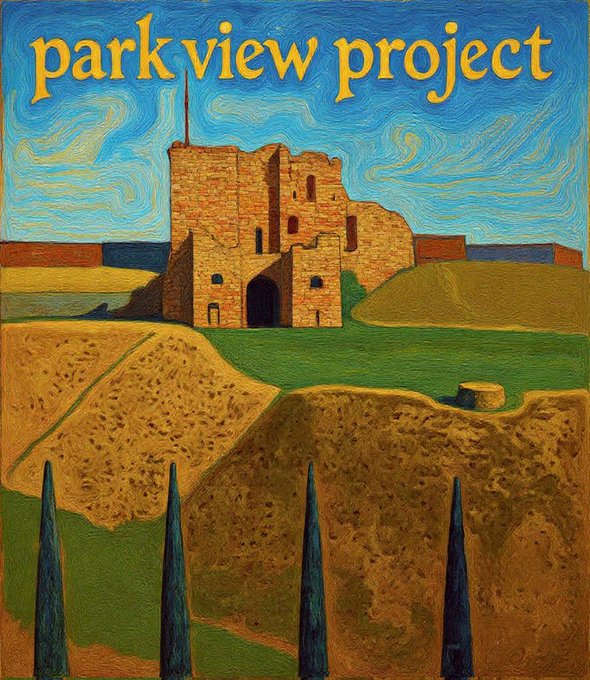
Tynemouth Priory
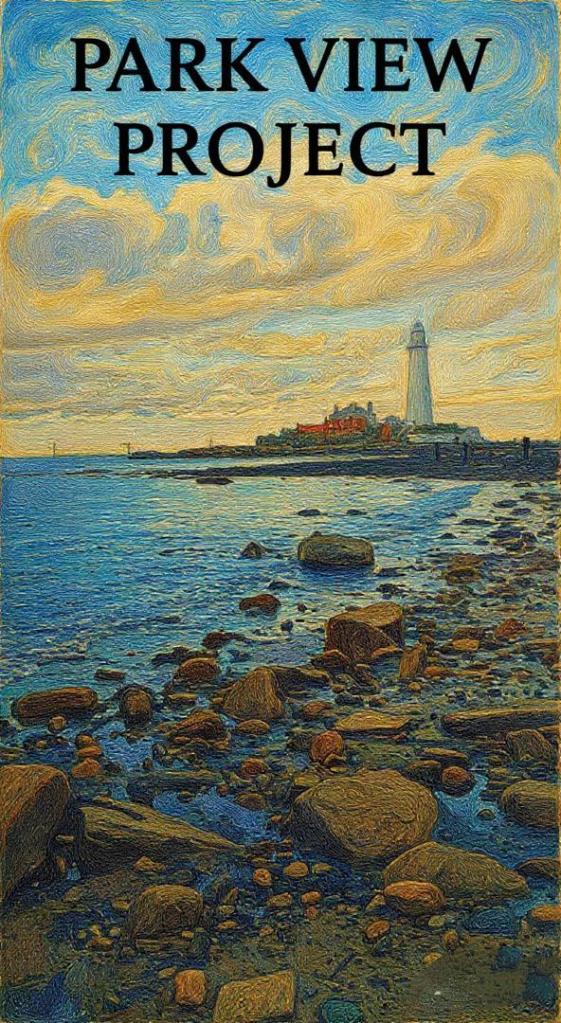
St Mary’s Lighthouse
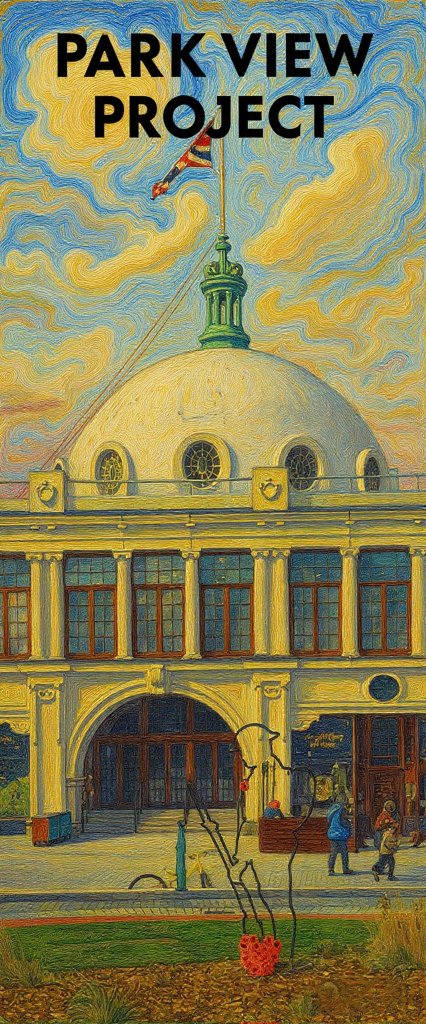
Spanish City
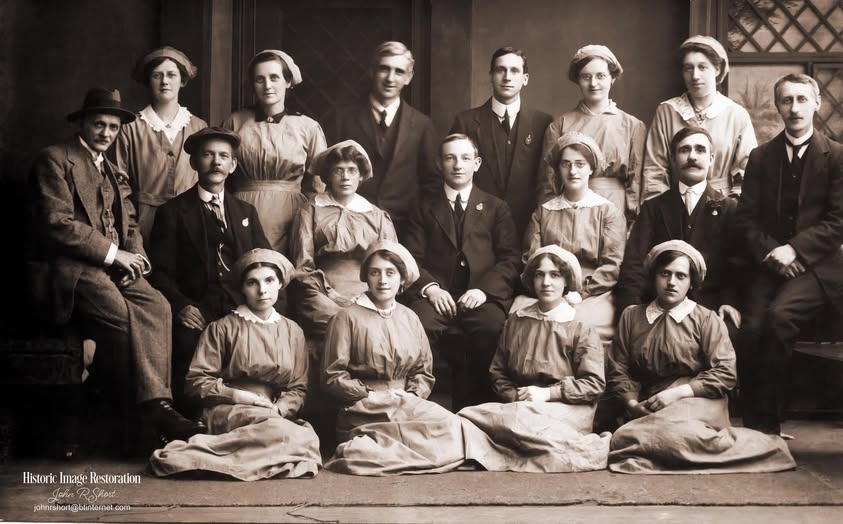
WW1 Armaments production Newcastle Upon Tyne
During World War I, Newcastle upon Tyne was a global hub for armament production, primarily through the industrial giant Armstrong Whitworth. The company’s massive Elswick and Scotswood works produced a vast array of war materiel, making it the largest munitions company in the world at the time.
Key Armaments and Production
The factories along the River Tyne manufactured a wide variety of armaments and related equipment:
- Guns and Artillery: The Elswick works had a long history of making naval and field guns. During the war, the Scotswood factory alone produced 13,000 guns.
- Ammunition: Production included 14.5 million shells, 18,000 fuses, and 21,000 cartridge cases.
- Warships and Shipbuilding: Armstrong Whitworth built complete warships and their armaments at their Elswick and Walker naval shipyards, playing a major role in the naval arms race.
- Aircraft: The company also built aircraft on Newcastle’s Town Moor.
- Other Equipment: This included searchlights, hydraulic machinery, and components like trench periscopes and clinometers produced by smaller local firms such as N.F. Ramsay & Co..
The Industrial Landscape
- Elswick and Scotswood Works: These were the primary sites of production, stretching for over a mile along the River Tyne. By the end of the war, Armstrong Whitworth employed 78,000 people, with 60,000 working on the Tyne.
- Lemington Munitions Factory: Known locally as “Canary Island,” this isolated factory at Lemington Point produced cordite, a yellow-coloured explosive, traces of which often remained on workers’ skin and hair.
- Birtley National Projectile Factory: Due to a national shell shortage and a lack of skilled workers, the government established a National Projectile Factory in Birtley, South Tyneside (then County Durham), specifically recruiting skilled Belgian armament workers who lived in a purpose-built village called Elisabethville.
The vast scale of the Newcastle armaments industry meant the region had a disproportionately large impact on the war effort and its eventual outcome.