Remembering the fallen who fought for our future, I thought I would share with you these 15 amazing facts about WW1.
1. A British Solider had to be a minimum of 19 years old to serve overseas, however many soldiers lied about their ages. As young as 12, a quarter of a million soldiers were underage.
2. The life expectancy of the trenches was around 6 weeks. The people most at risk were stretcher bearers and junior officers.
3. When soldiers returned home, there was an increase in babies by 45 percent. However, the 1918 influenza pandemic killed more people from around the world than the actual war.
4. Before gas masks, the soldiers only protection against the gas attacks was a rag soaked in their own urine. Edward Harrison saved thousands of people’s lives by inventing the first practical Gas Mask.
5. While in the trenches it was known that soldiers could become highly superstitious, and some believed angels appeared over the trenches to save them from death.
6. German Trenches were much more advanced than those of their allies. They were built to last, and some were known to even have doorbells.
7. 65 million men worldwide from 30 countries fought.
8. A third of deaths in the war were caused by a disease. 150,000 of these were venereal, caused by the brothels that were set up behind the front-lines.
9. 25,000,000 tons of supplies were shipped to British forces on the Western Front. This included 3,000,000 tons of food, and 5,000,000 tons of oats, and hay for the horses.
10. The Government banned the use of rice at weddings in 1917 because of the food shortages.
11. Dead horses were melted down for their fat, this was used in explosives. At the very height of the war, the British Army had nearly a million horses.
12. In 1918 we were spending £6,000,000 a day on the war. The total cost was believed to be around 9 thousand million pounds.
13. Lord Kitchener was the male who posed pointing his finger for the “Your country needs you” posters. He died when the ship he was on hit a German mine in 1916.
14. 346 British soldiers were killed by their own army. Mainly for deserting. Some were strapped to a post, or gun wheel within the range of enemy fire.
15. The top British Ace was Major Edward Mannock who shot down 61 enemy planes. The top German Ace was Baron von Richthofen who shot down 80.
If you know some more interesting, amazing facts about the war then please add them in the comments section below!
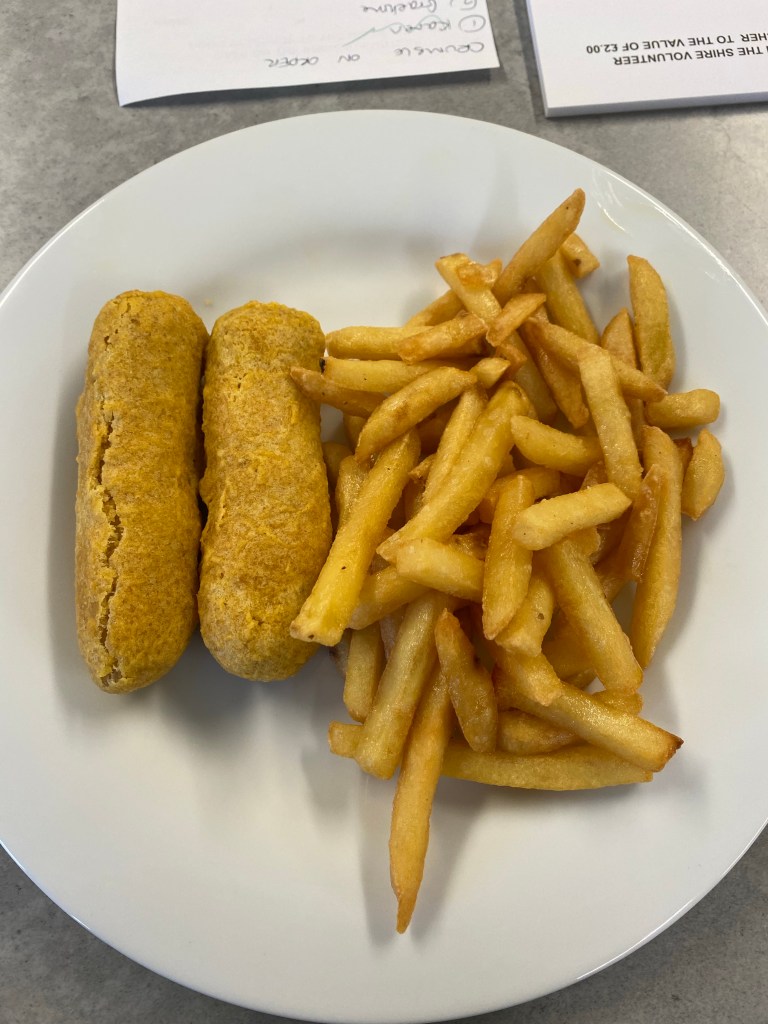
I have just had a nice non battered sausage’s and chips for lunch in The NTDF Cafe it was very nice it was lovely. These are the non Battered Sausages and Chips I’ve just had.
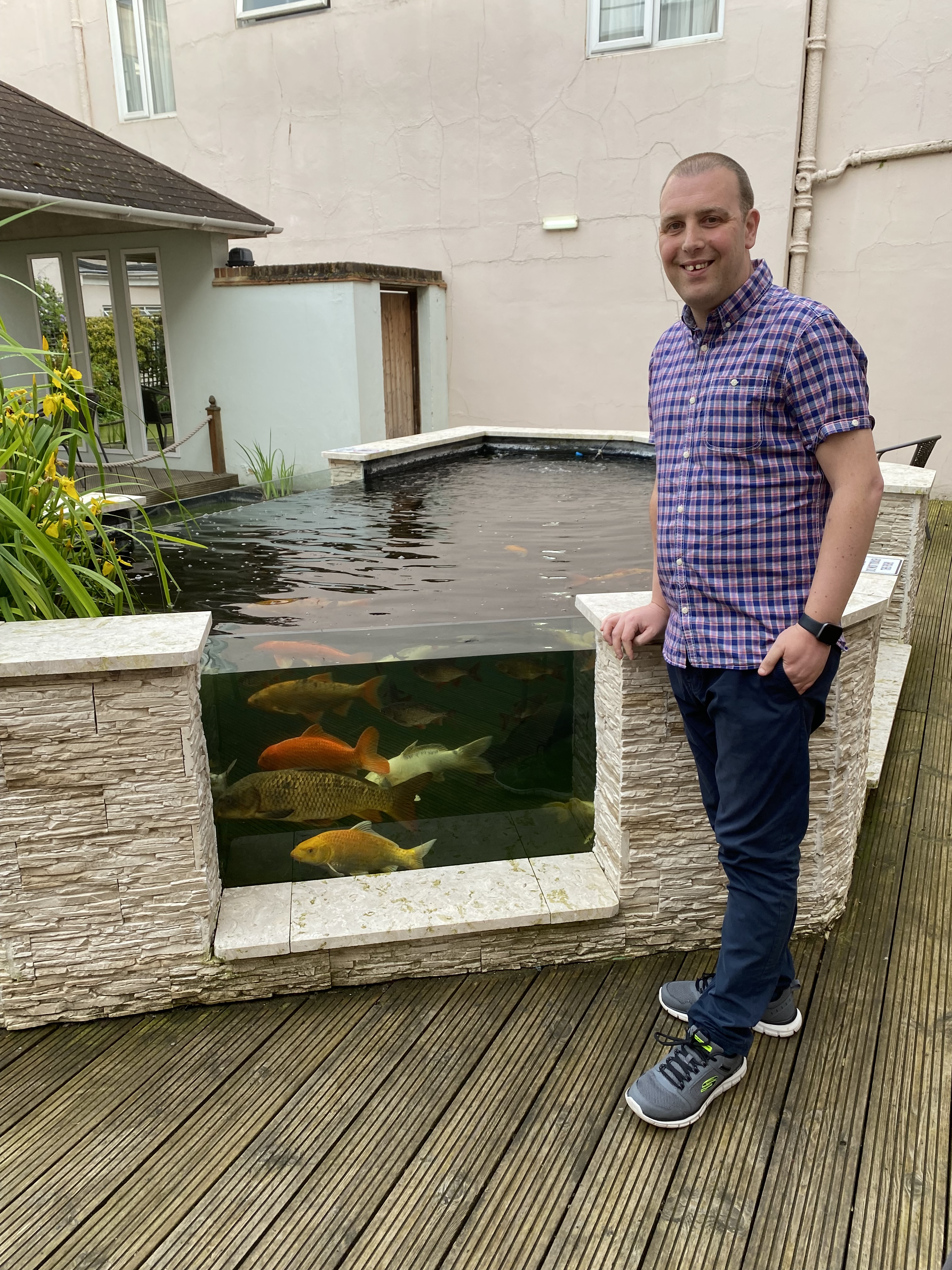
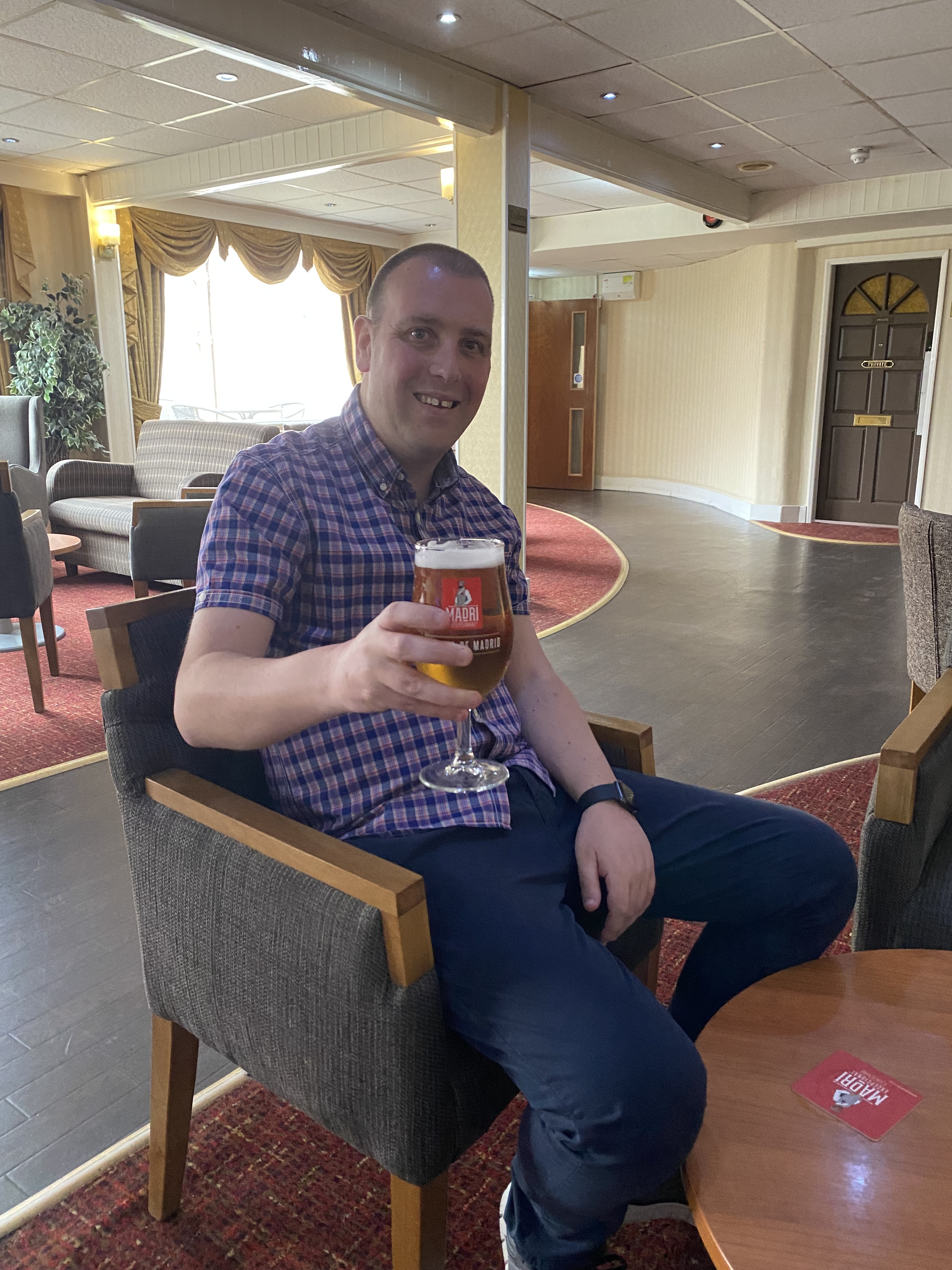
This was The Bar and The Back Garden in our Hotel where we were staying which was all very nice and their were plenty of fish in the water as you can see. I am also enjoying a pint of Madri in The Bar downstairs to.
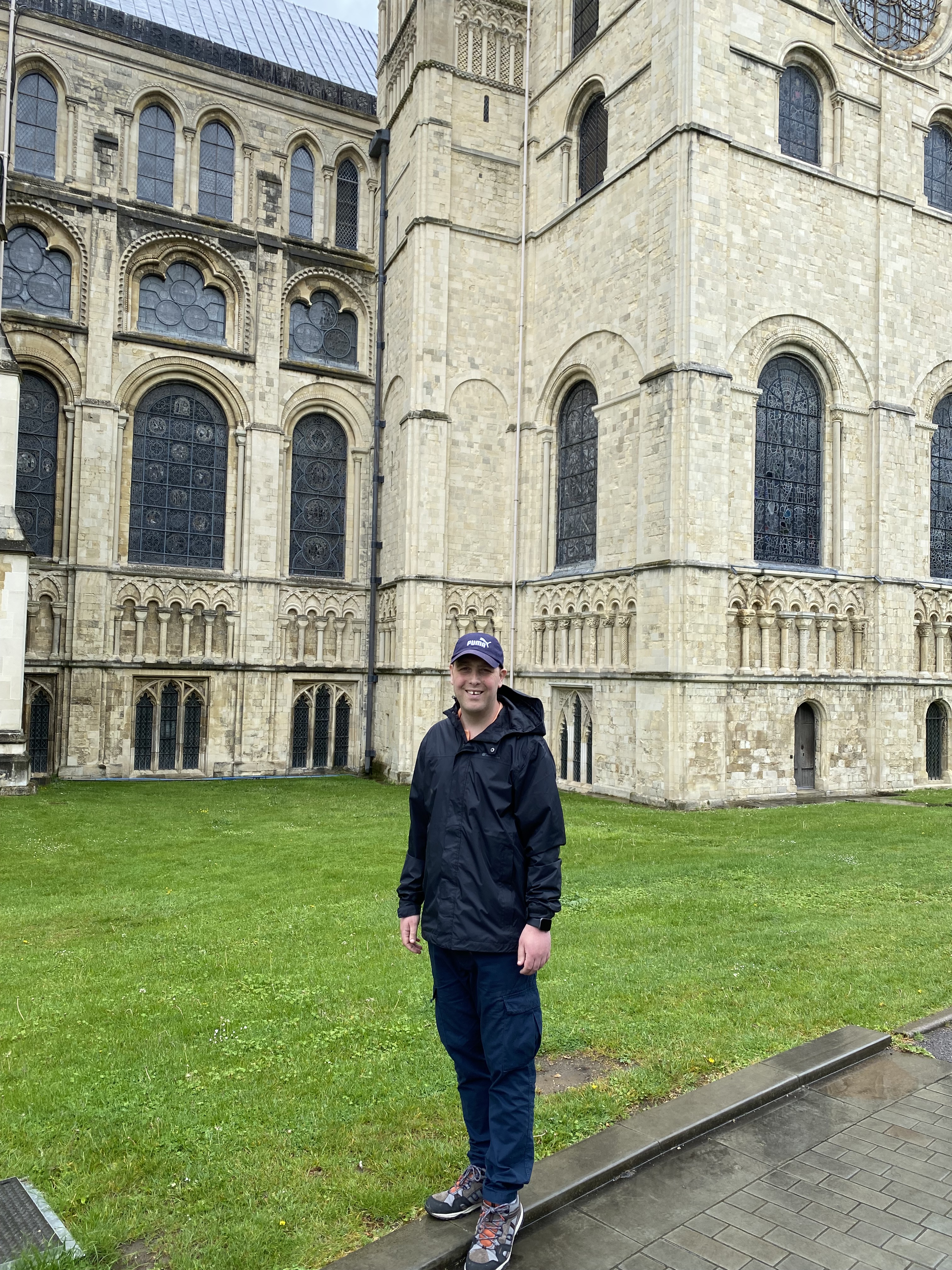
This is me standing outside of Canterbury Cathedral and me and my Dad and Bern standing next to this Horse which is a statue of a Horse. It’s made by sticks where people or someone has used loads of long sticks to make it in to a statue of a Horse. I was very impressed with it. Me my Dad and Bern also really enjoyed going on The Canal to which was nice and relaxing and the guy who was pushing The Canal was telling us some very interesting stories about the history of the building’s we were seeing when we were on The Canal.
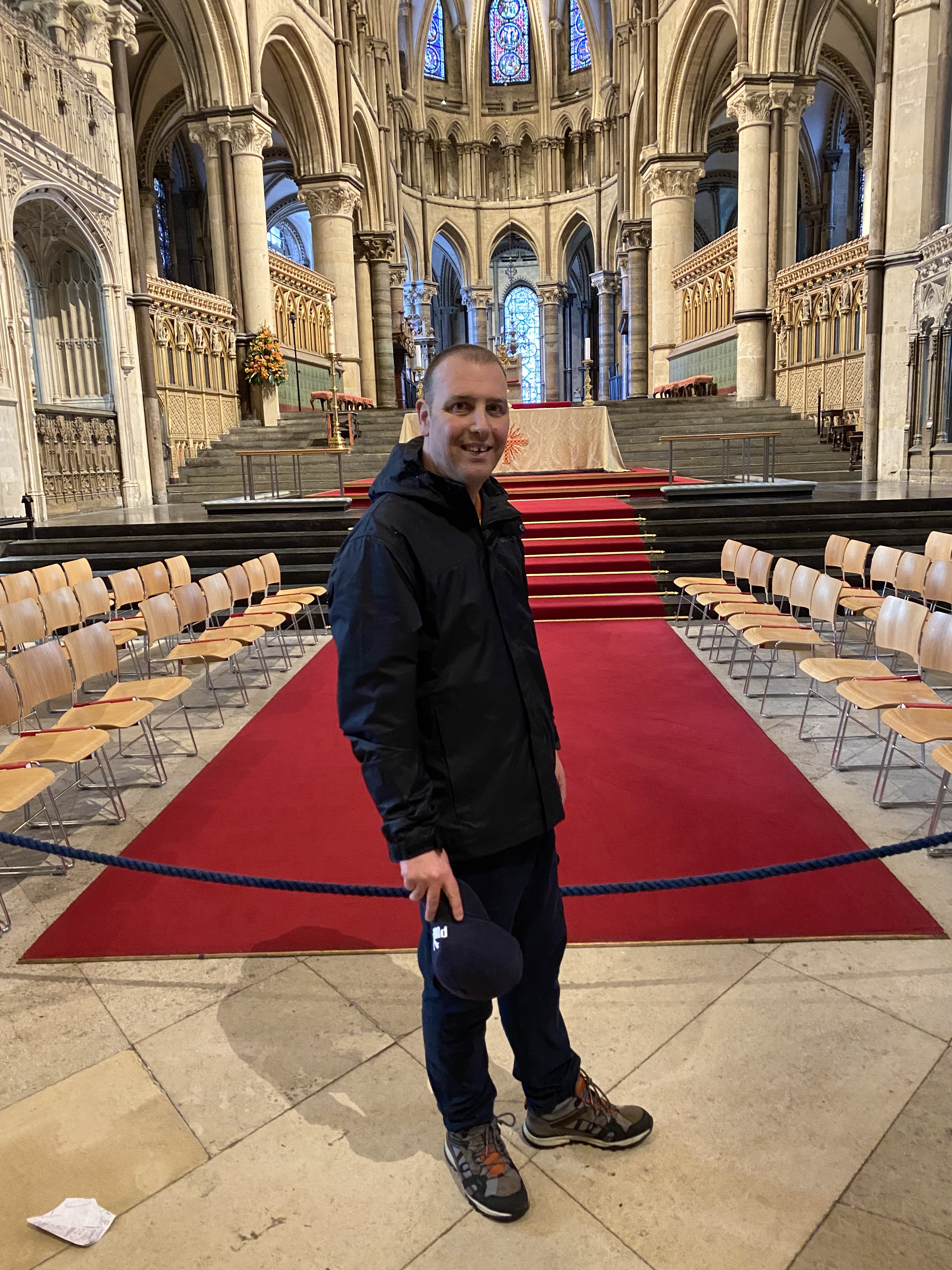
I really enjoyed going to Canterbury Cathedral me and my Dad and Bern found it very interesting. This is what it also looked like outside The Cathedral it was also a really good experience it was also a very big Cathedral and it was fun having a look inside it to.
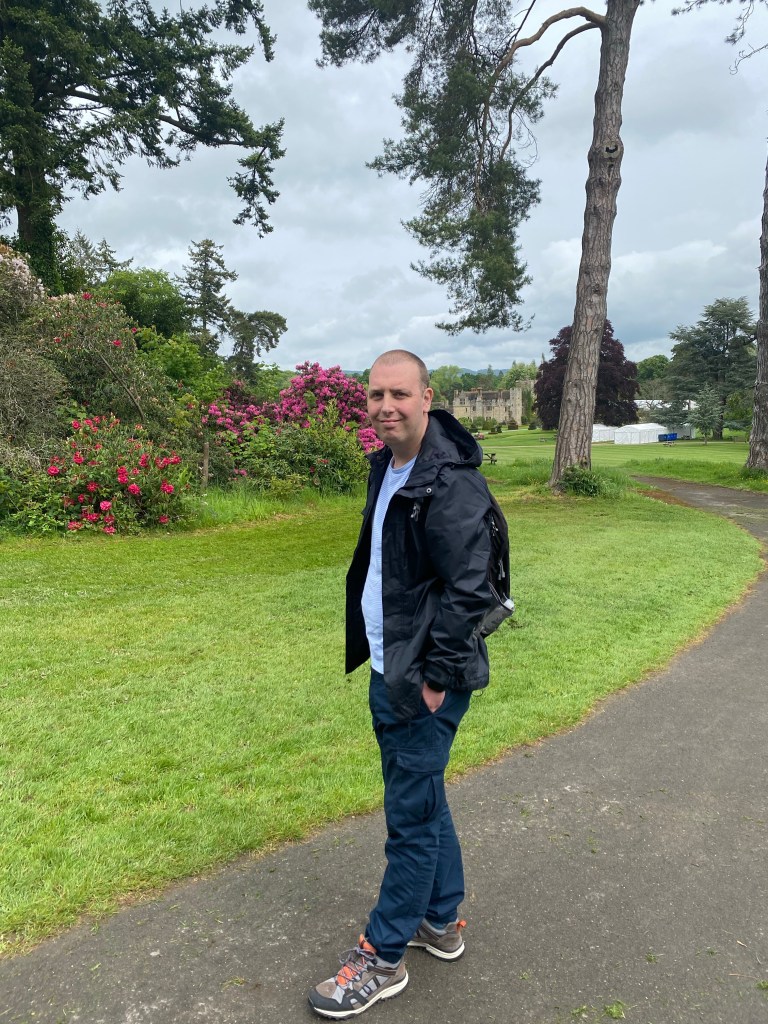
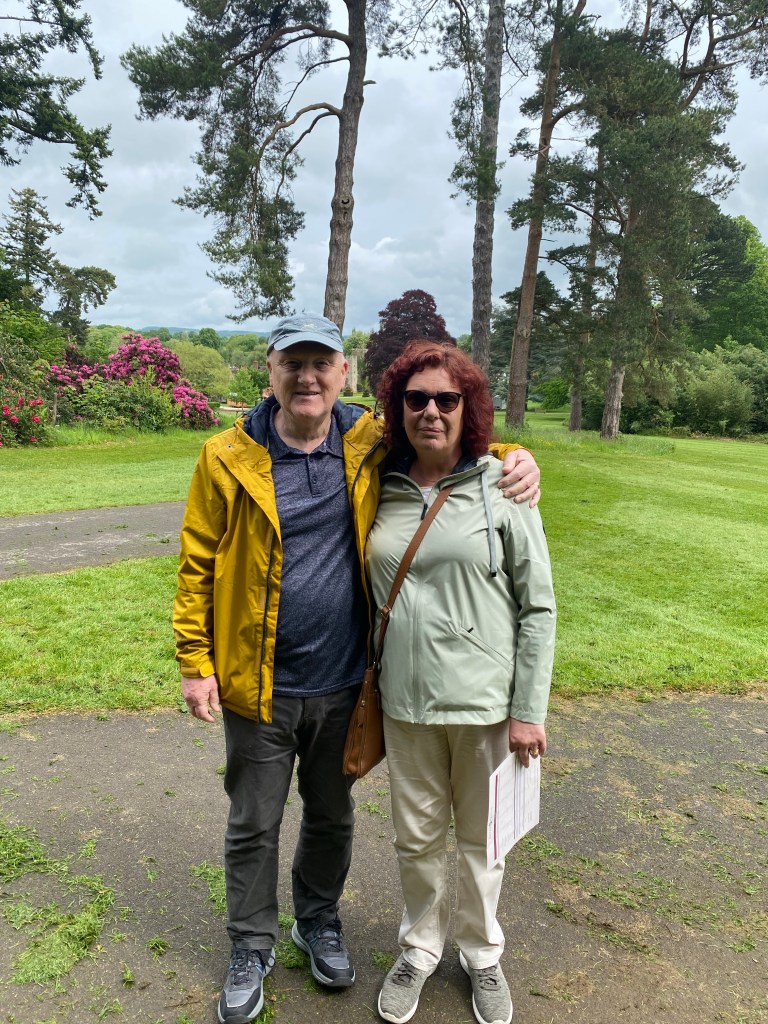
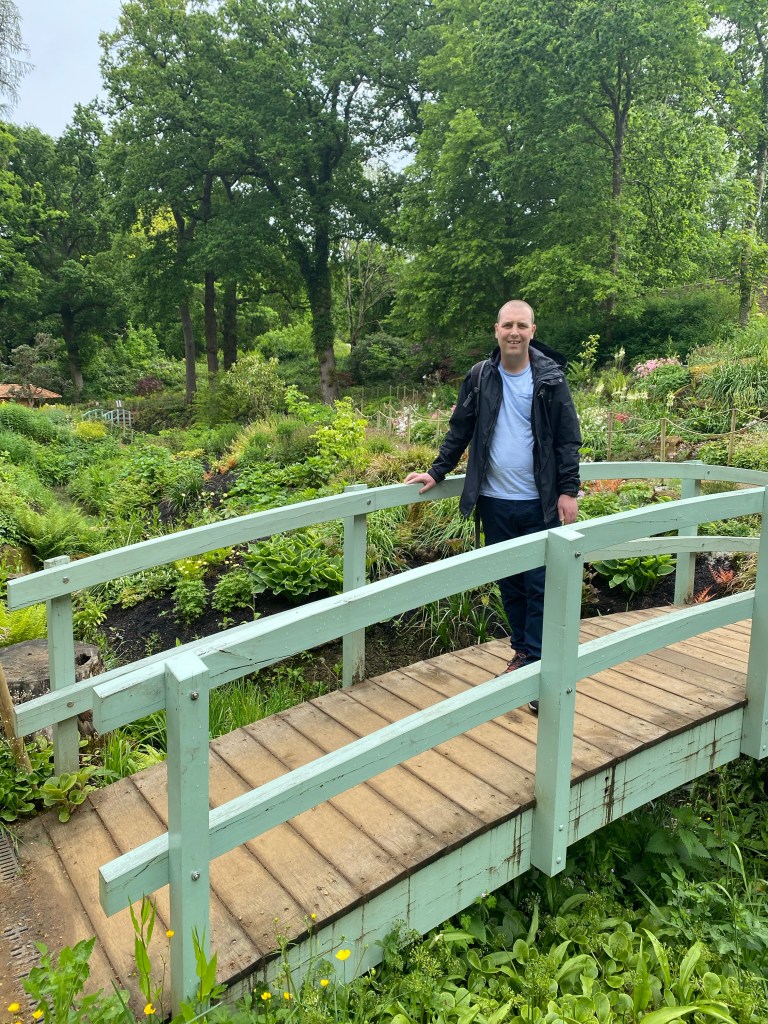
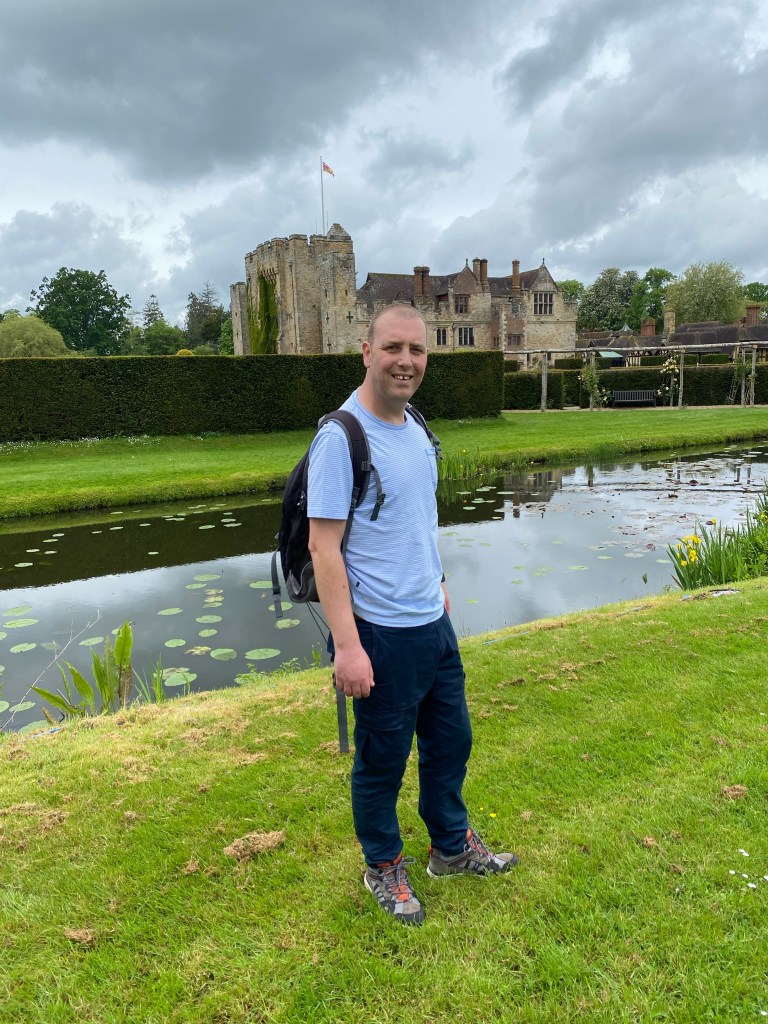
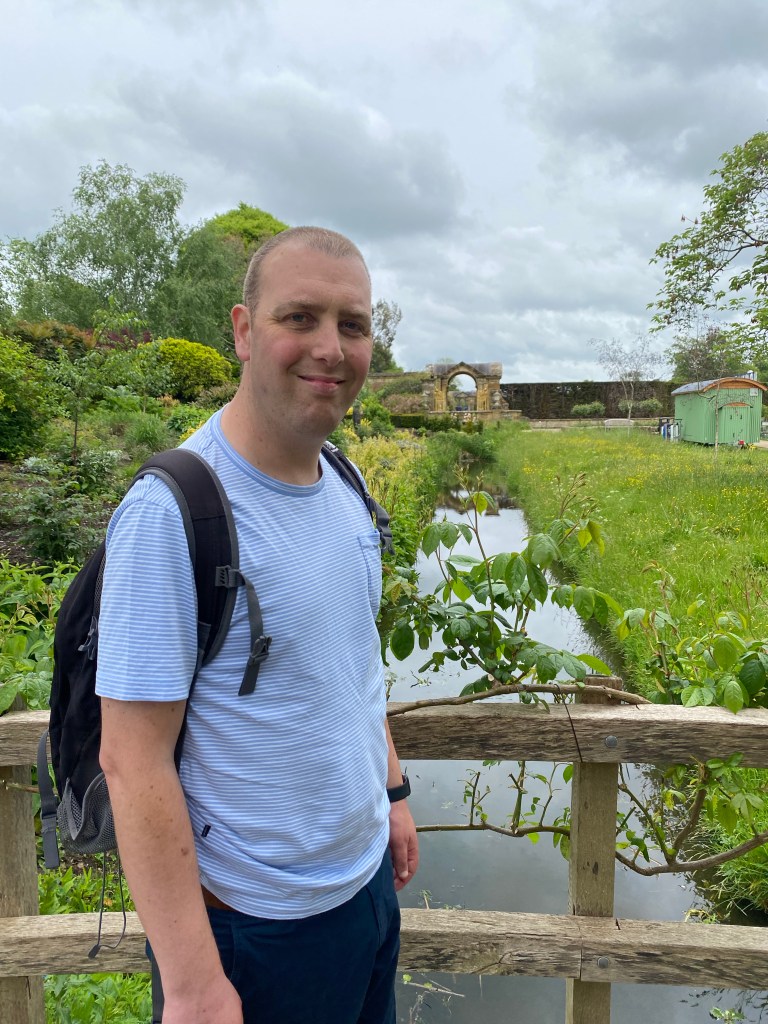
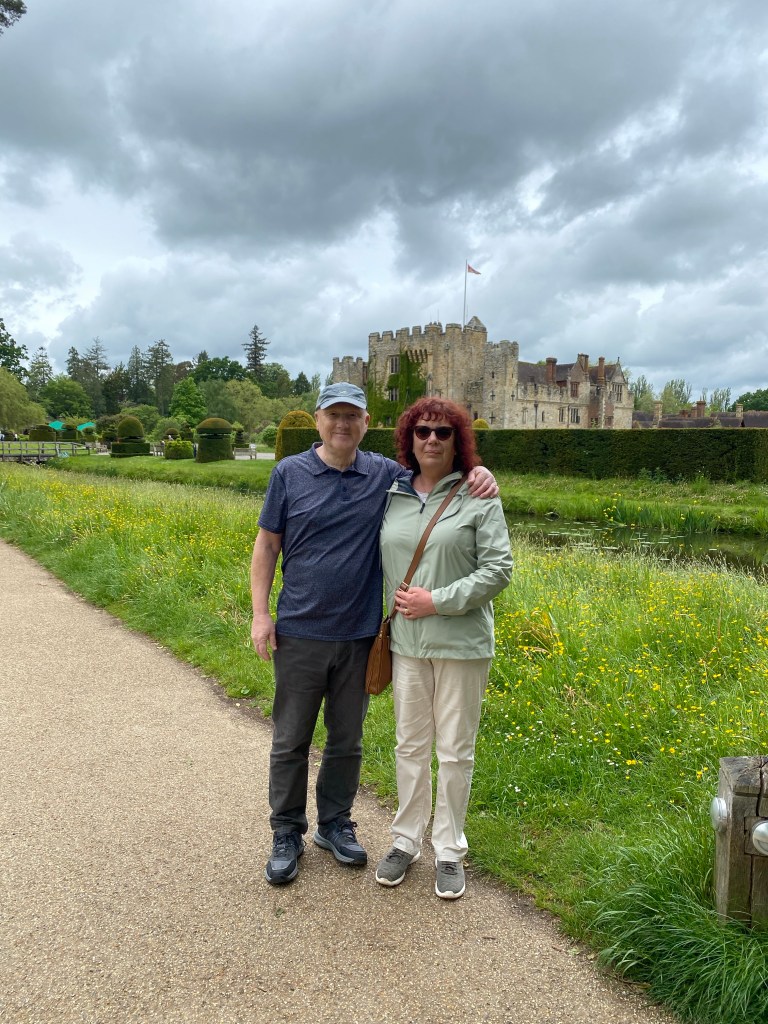
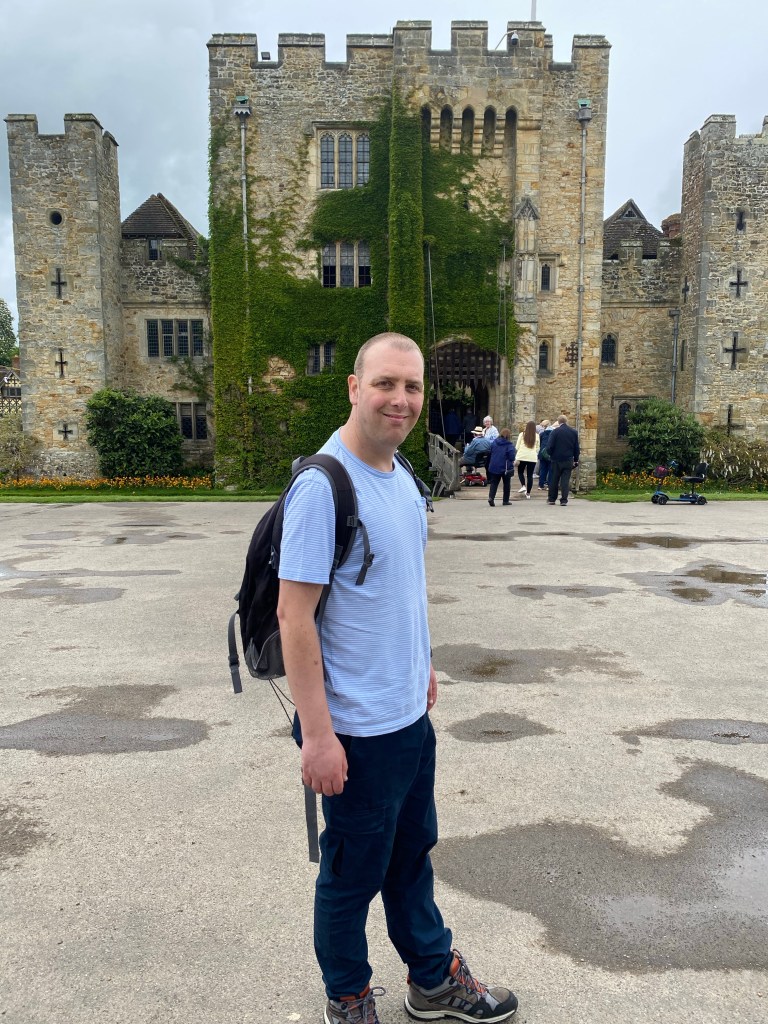
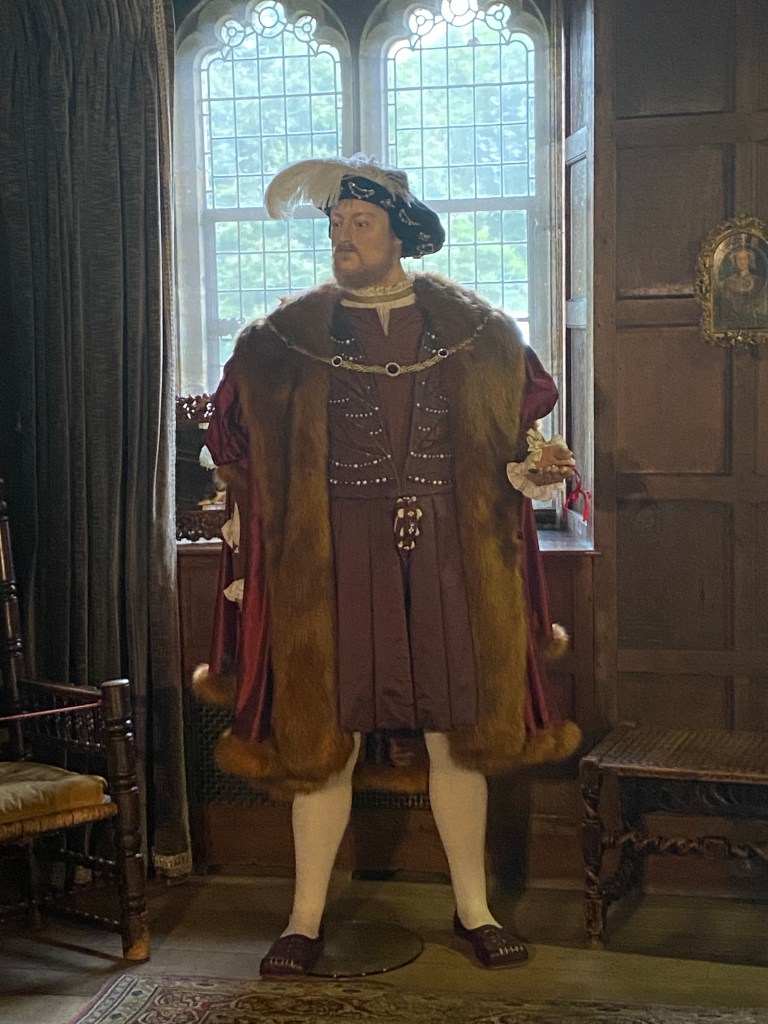
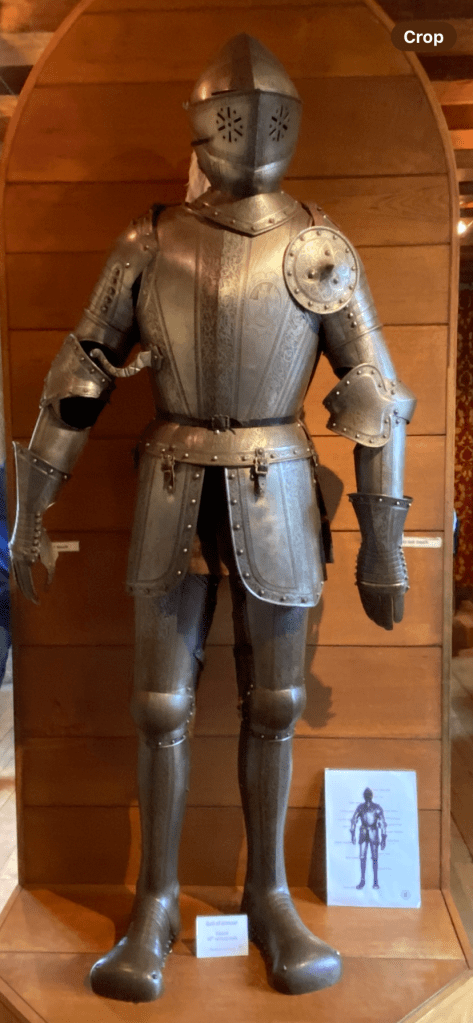
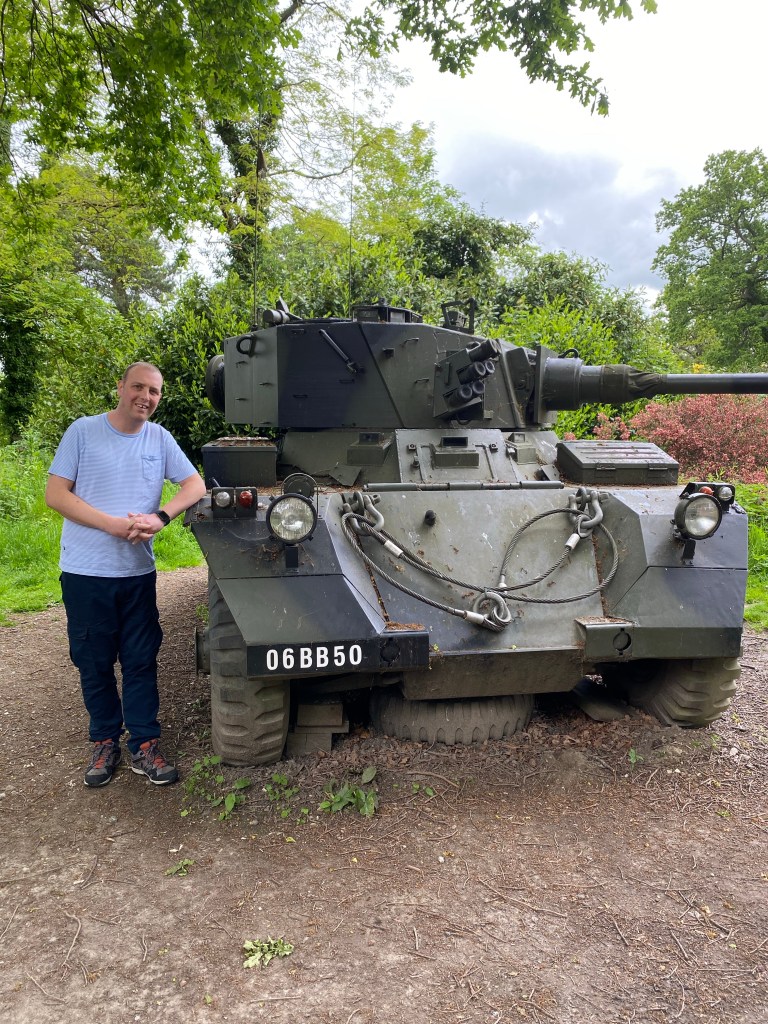
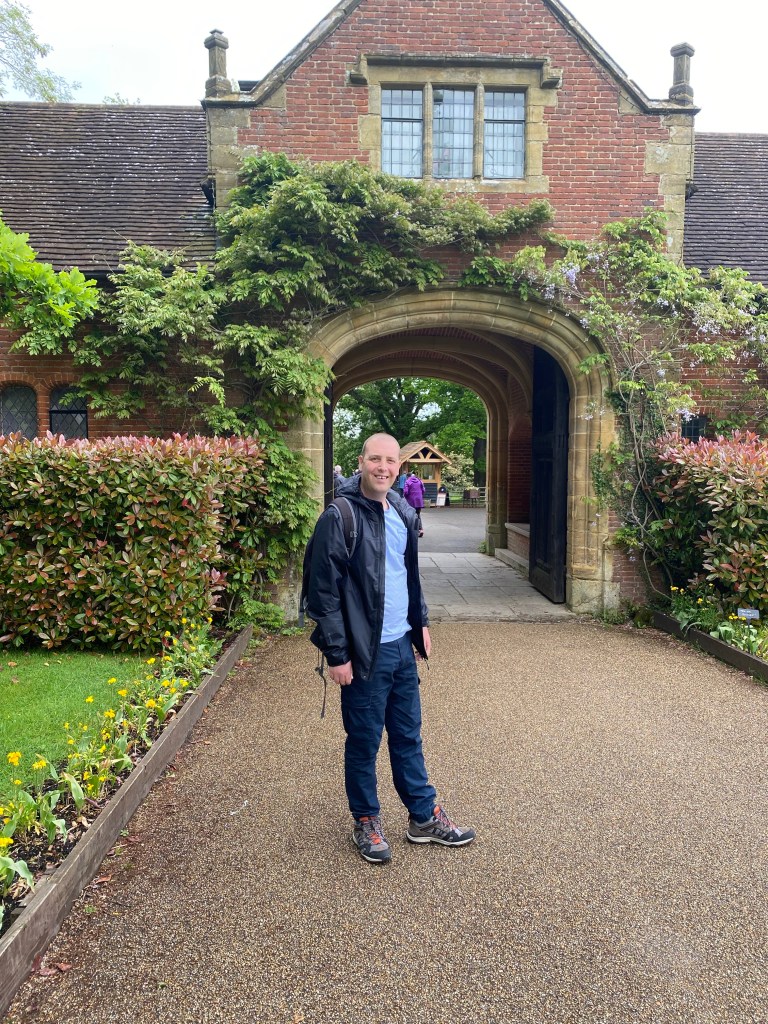
I really enjoyed going to Heaver Castle and Garden’s on my holiday in Kent with my Dad and Bern last week it was good fun. I really enjoyed going around The Castle inside The Castle and I thought it was cool seeing The Army Tank to.
Liz in the picture presented Audrey with flowers to mark her retirement at the age of 90. Audrey had been a paid worker in Community Shop for many years.
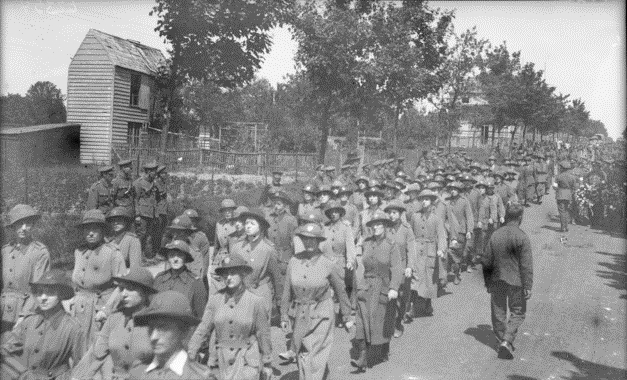
At the start of the First World War many people harboured the view that war was ‘man’s business’. Front-line roles had, after all, always been undertaken by men.
Between 1914 and 1918 opinion changed when women – invigorated by years of struggle for female emancipation – stepped out from their traditional roles and placed themselves at the heart of the action.
Taking on key medical roles, they emerged from the conflict with newfound respect and observers heralded the war as ‘a revelation of woman’.
Trained nurses had been part of the military establishment since the 19th century. Thousands of untrained women now stepped forward to help support the care of the wounded.
Within the Wounded exhibition we hear the voice of Sophie Hoerner, who was stationed at No. 1 Canadian general hospital near Étaples. She paints a vivid picture of the scale and severity of the task faced by nurses as they cared for the wounded at the Western Front.
In a letter home she wrote:
‘No one could imagine the horrors of a war like this unless they are here and could see for themselves. I have never seen such awful wounds.’
The job of the war nurse was both varied and hectic. Some administered pain relief and redressed wounds. Others assisted the surgical teams in the operating theatres of casualty clearing stations, acting as anaesthetists or carrying out minor procedures when surgeons were rushed off their feet.
Female surgeons found it far harder to offer their services. The army was initially reluctant to make use of their skills, telling them ‘to go home and sit still’.
Undeterred, they set up voluntary hospitals on the Western and Eastern fronts – many staffed exclusively by women. One such volunteer was Dr Phoebe Chapple, who became one of the first at the front line and the first to be awarded a medal for gallantry.
On 29 May 1918, while she was visiting the Queen Mary’s Army Auxiliary Corps near Abbeville, the camp came under enemy attack. One bomb hit a trench where 40 staff had taken cover. In near darkness and with further risk of attack, Chapple worked her way along the trench, tending to the wounded.
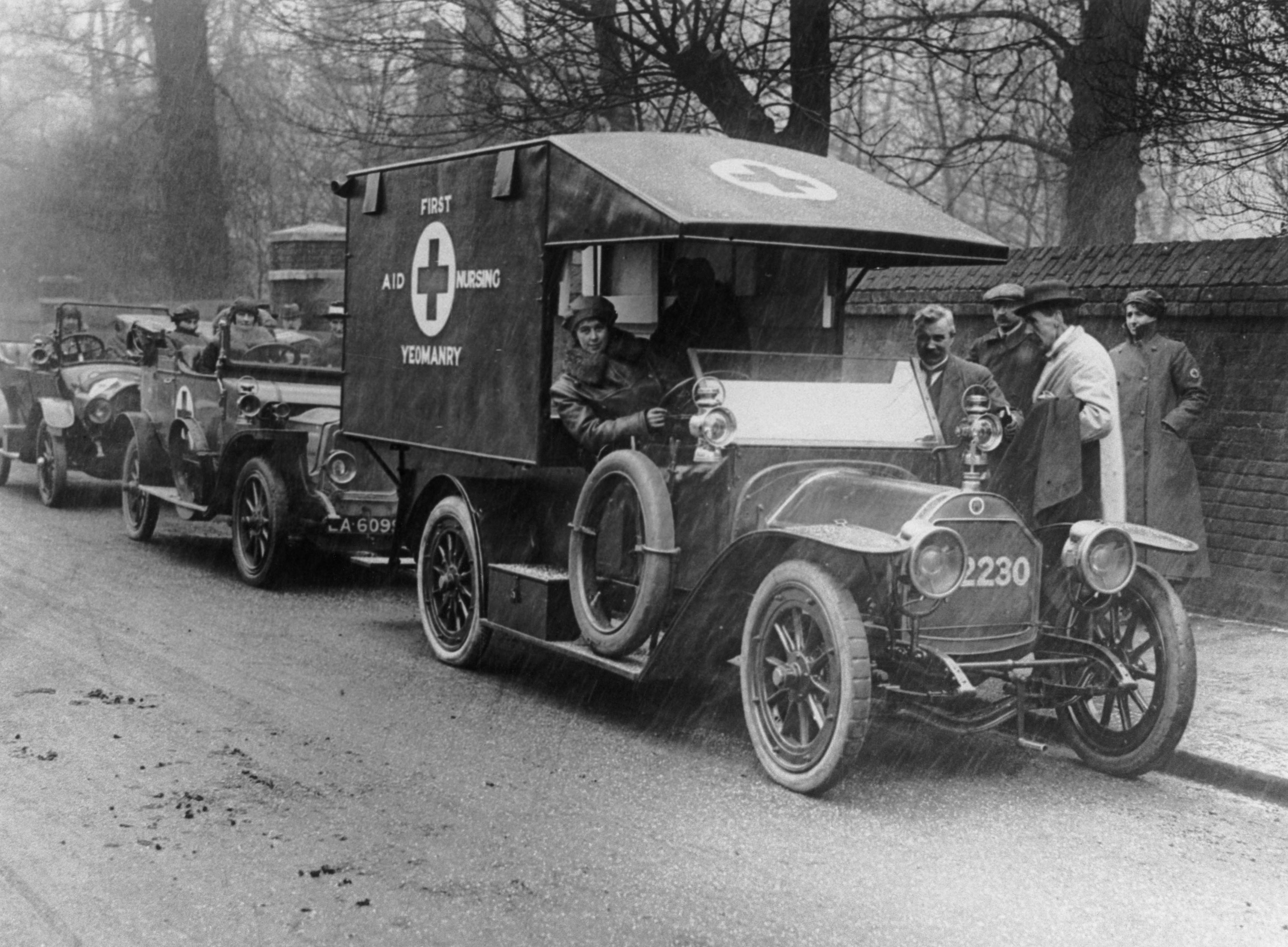
Women also provided a vital link between the battlefield and medical units. The First Aid Nursing Yeomanry (FANY) ran field hospitals and drove ambulances, often in extremely dangerous conditions.
Pat Waddell, an accomplished violinist, acted as an ambulance driver from 1916 onwards, having learned to drive in London by cajoling taxi drivers to let her take control of their vehicles. The FANYs challenged the traditional view of women drivers. One sergeant wrote:
‘When the cars are full of wounded no-one could be more patient, gentle or considerate, but when the cars are empty they drive like bats out of hell.’
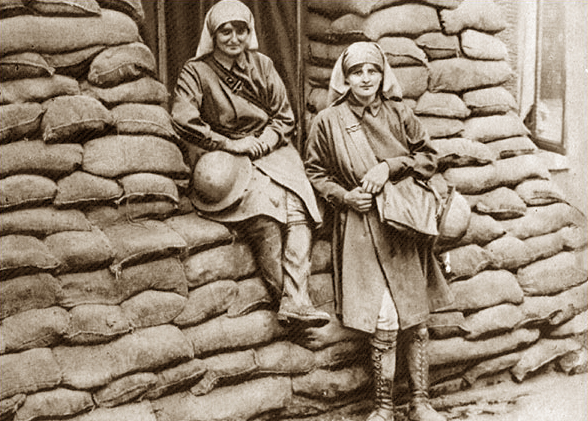
Mairi Chisholm and Elsie Knocker travelled to Belgium as part of the Munro Ambulance Corps designed to support the Belgian Red Cross and transport the injured to hospitals away from the battlefield. They quickly decided that they could be of greater help to the wounded by treating them closer to the front line.
They set up their own dressing station in Pervyse near Ypres – only 90 metres from the action. Earning 17 medals for their bravery they became celebrated in the press as the ‘Angels’ of Pervyse, having saved hundreds of soldiers’ lives.
Curie was shocked to see how soldiers’ lives were being lost because they had to be transported long distances for examination.
So she set about bringing diagnostic equipment to the battlefield.
Twenty vehicles were fitted out with X-ray units, darkrooms and technical personnel. Curie learned to drive so she could operate one of the mobile cars herself.
She also set up 200 stationary X-ray stations, helping train 150 women as radiology technicians to help run them.
Over 1 million wounded soldiers were examined thanks to her efforts, with Curie herself declaring:
‘The use of X-rays during the war saved the lives of many wounded men and saved many more from long suffering and lasting infirmity.’
Women’s front-line activity did not end there.
They acted in many other important roles, from telegraphist and cook to war correspondent and spy. Added to the vital work being carried out by female workers back at home, these varied roles show that the First World War was not just a conflict that made heroes, but many heroines as well.
Medical care throughout the First World War was largely the responsibility of the Royal Army Medical Corps (RAMC). The RAMC’s job was both to maintain the health and fighting strength of the forces in the field and ensure that in the event of sickness or wounding they were treated and evacuated as quickly as possible.
Every battalion had a medical officer, assisted by at least 16 stretcher-bearers. The medical officer was tasked with establishing a Regimental Aid Post near the front line. From here, the wounded were evacuated and cared for by men of a Field Ambulance in an Advanced Dressing Station.
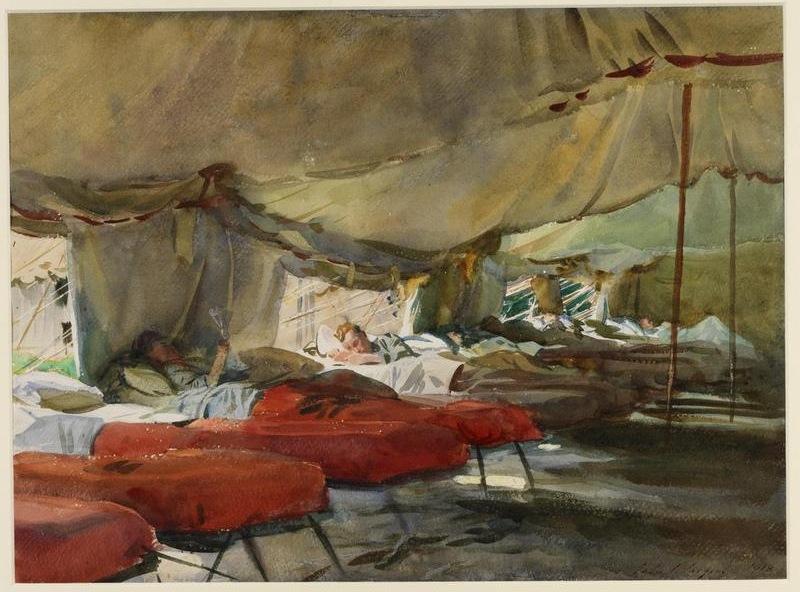
The hospitals set up immediately behind the lines were often housed in tents during the First World War, including wards and operating theatres.
This was particularly true of Casualty Clearing Stations, with base hospitals further away from the fighting sometimes making use of existing or more permanent buildings.
A casualty then travelled by motor or horse ambulance to a Casualty Clearing Station. These were basic hospitals and were the closest point to the front where female nurses were allowed to serve. Patients were usually transferred to a stationary or general hospital at a base for further treatment. A network of ambulance trains and hospital barges provided transport between these facilities, while hospital ships carried casualties evacuated back home to ‘Blighty’.
As well as battle injuries inflicted by shells and bullets, the First World War saw the first use of poison gas. It also saw the first recognition of psychological trauma, initially known as ‘shell shock‘. In terms of physical injury, the heavily manured soil of the Western Front encouraged the growth of tetanus and gas gangrene, causing medical complications. Disease also flourished in unhygienic conditions, and the influenza epidemic of 1918 claimed many lives.
I love The Beach Boys 1960’s music from the 60’s from before I was born. I love listening to they songs and their music in my music library on my iPhone when I am out and about walking. Or on The Metro on my way to NTDF or on The Metro on my way back home from NTDF.
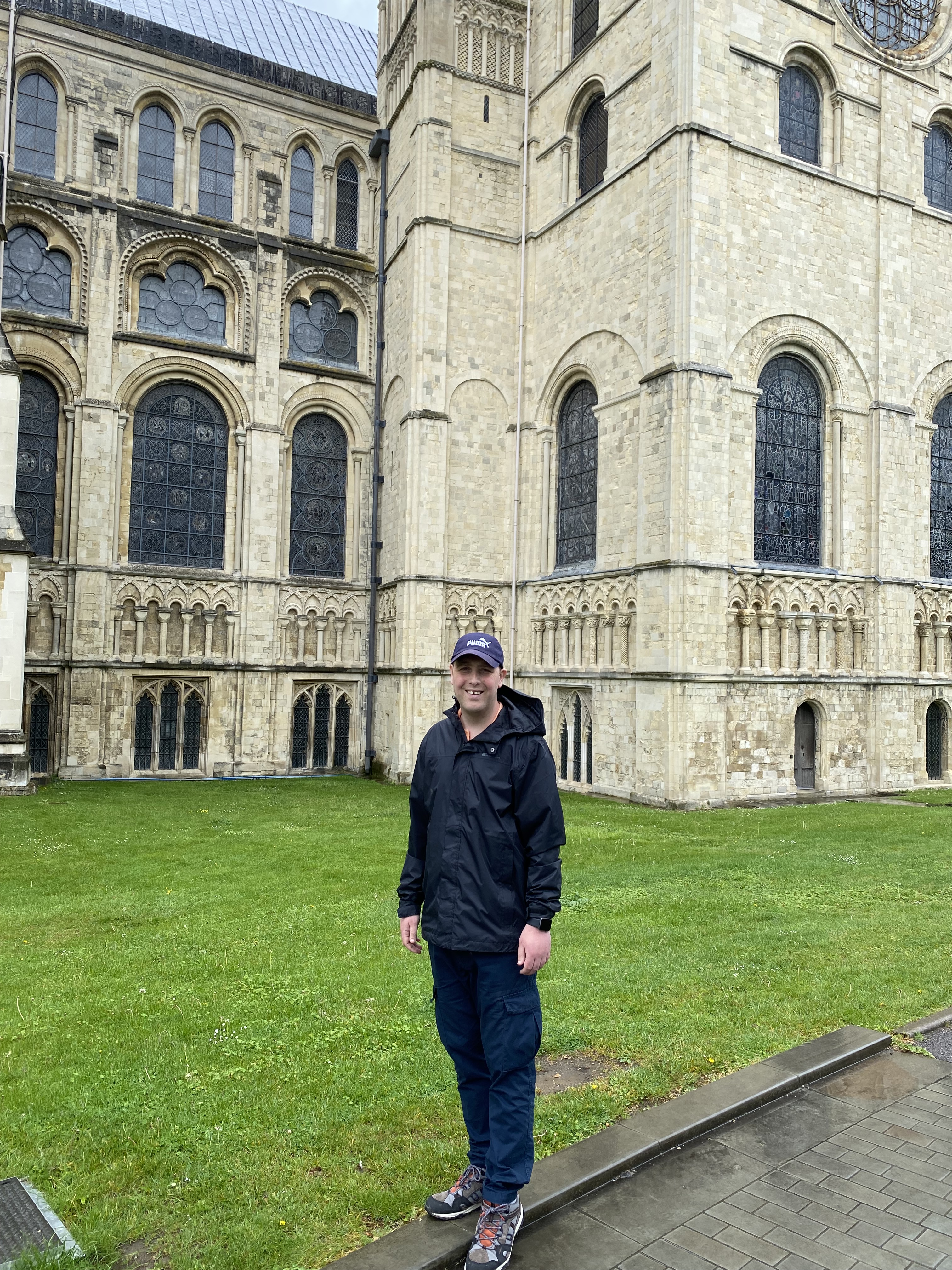
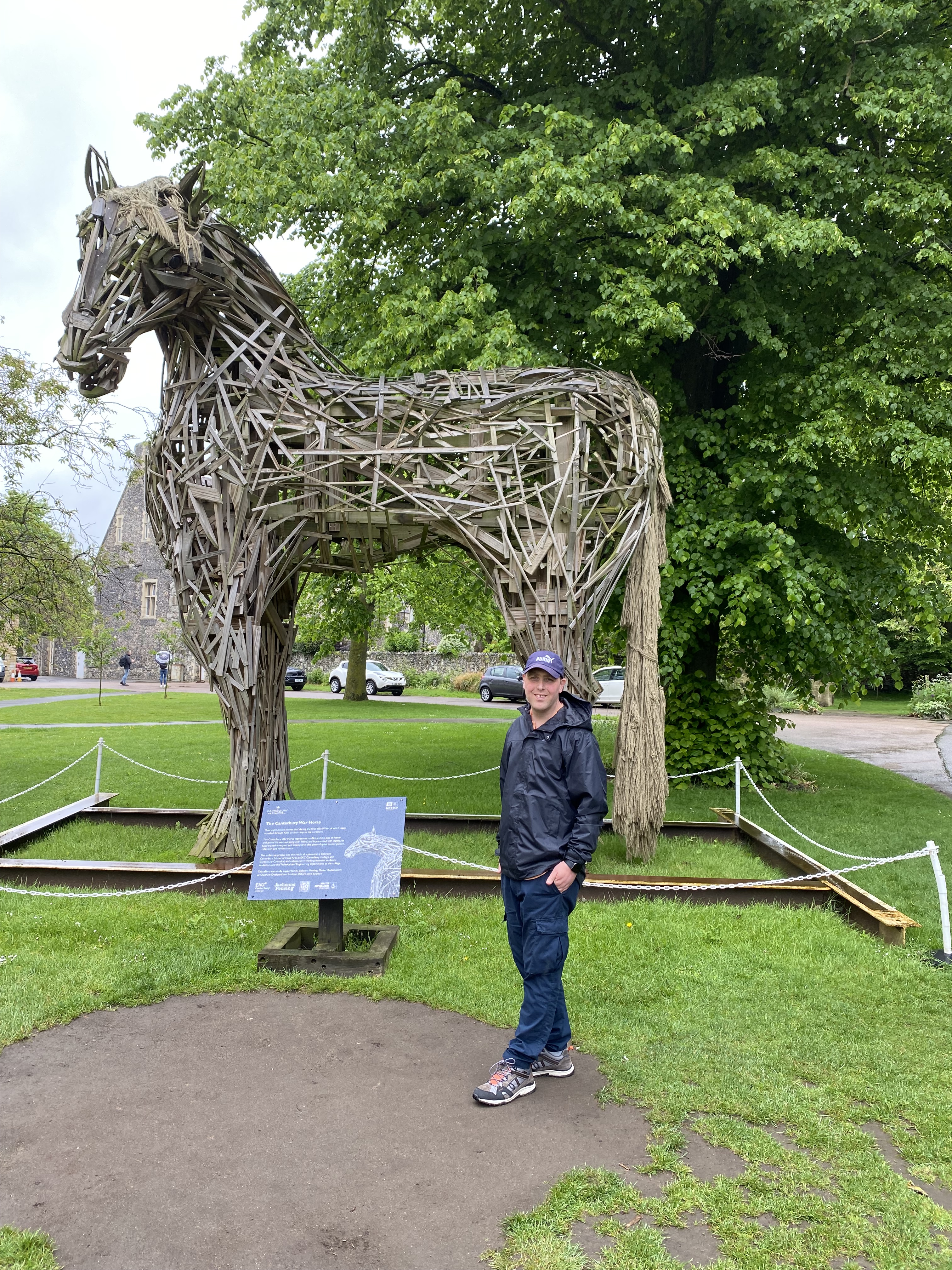
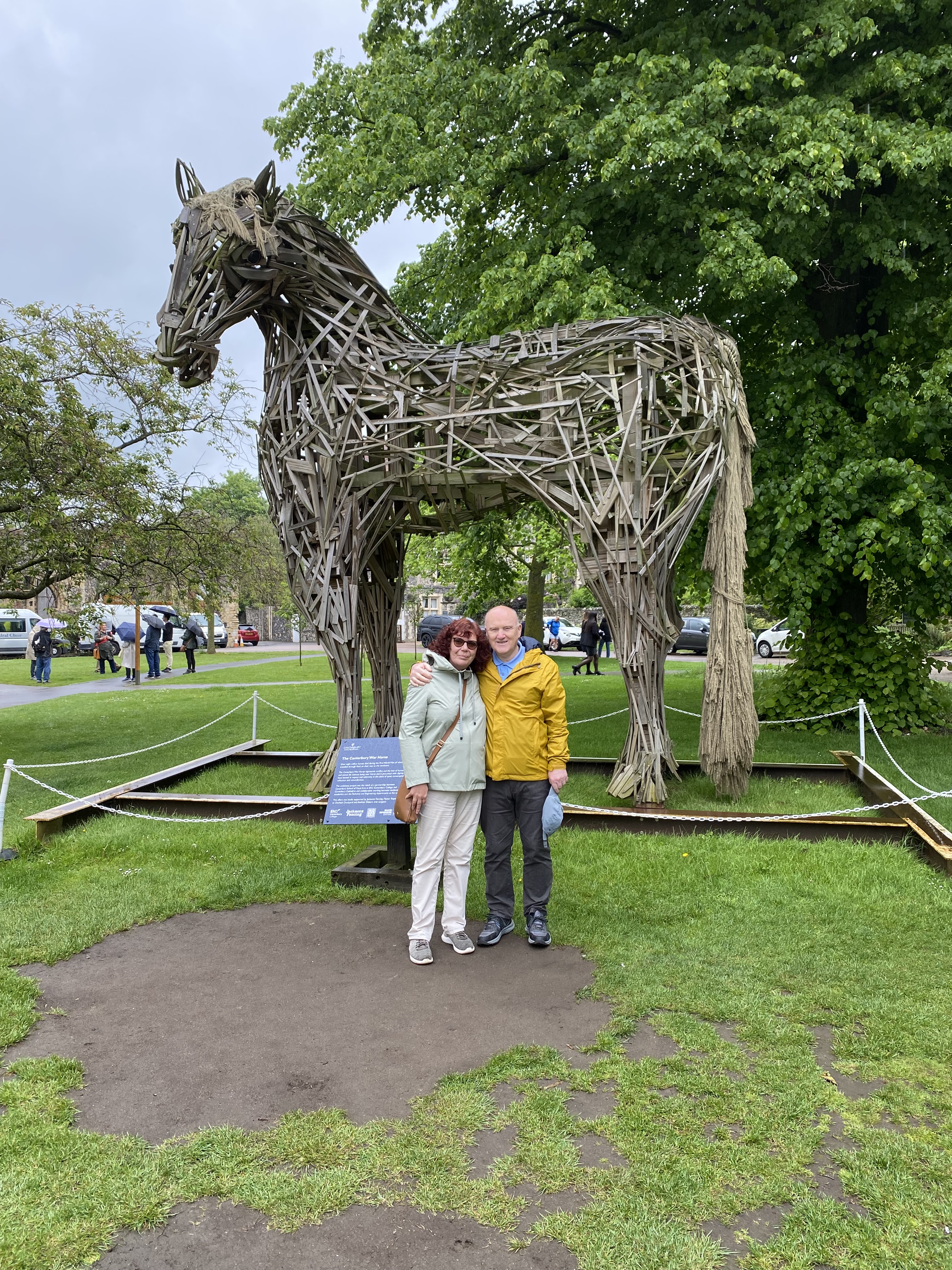
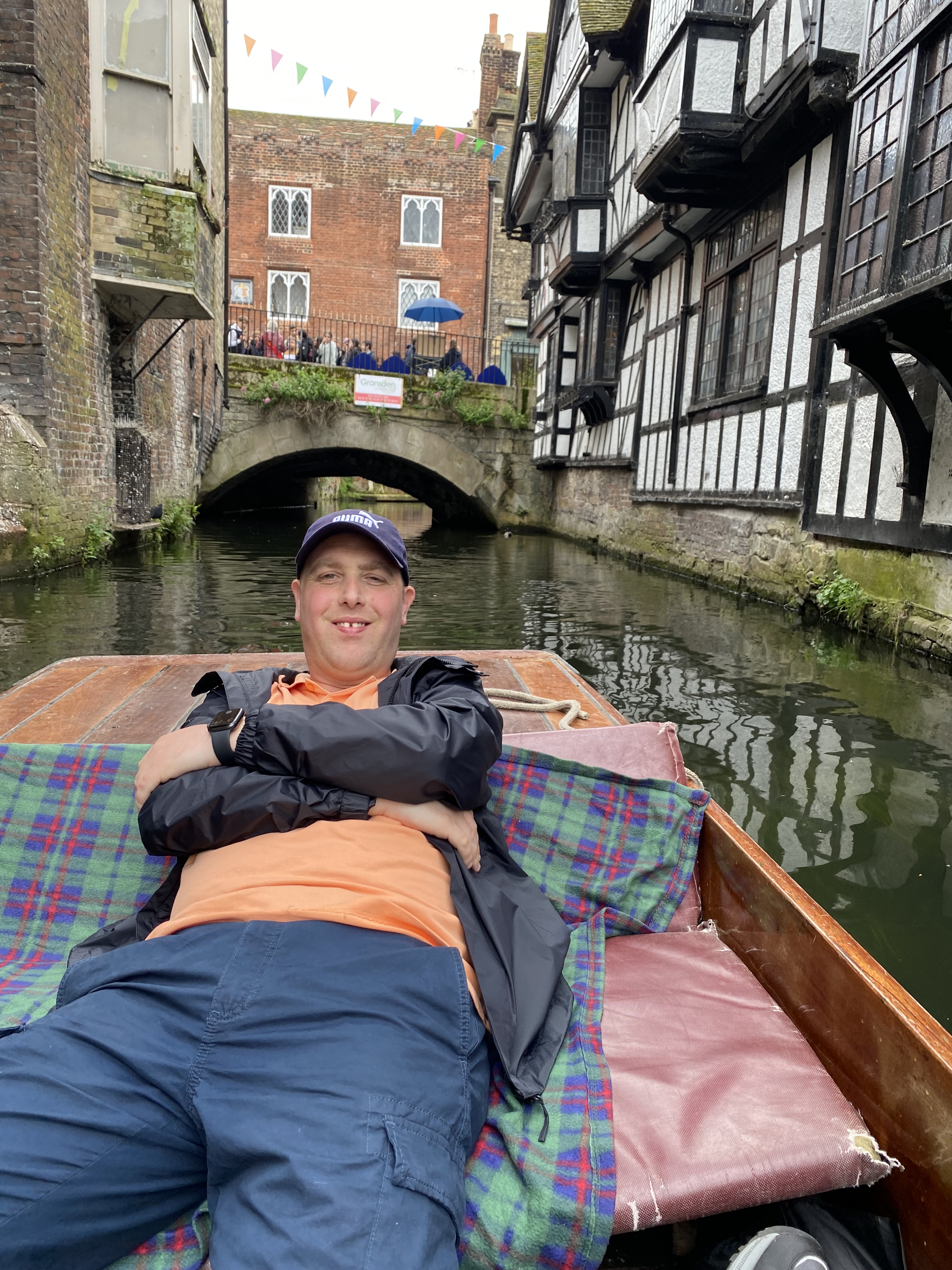

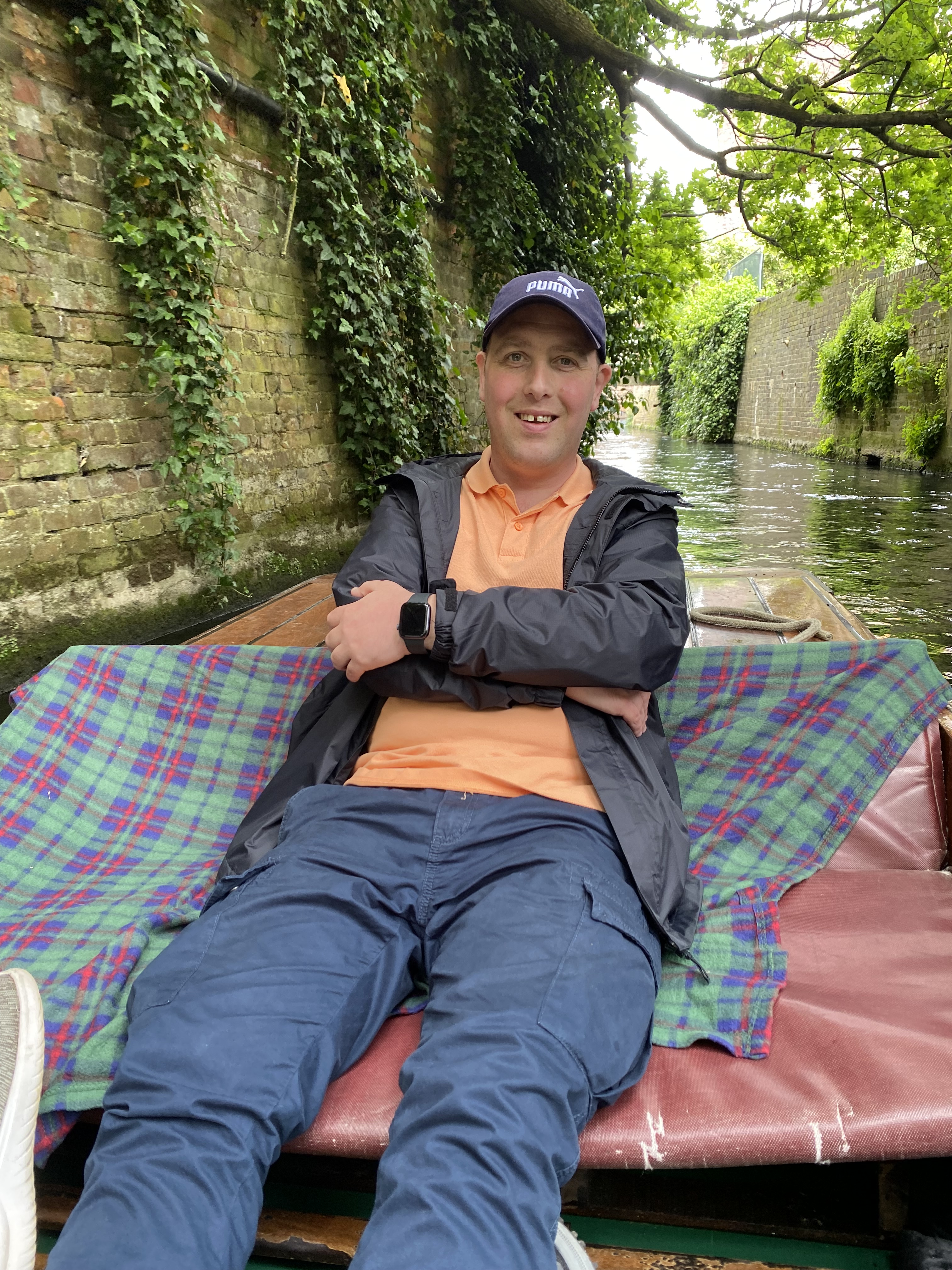

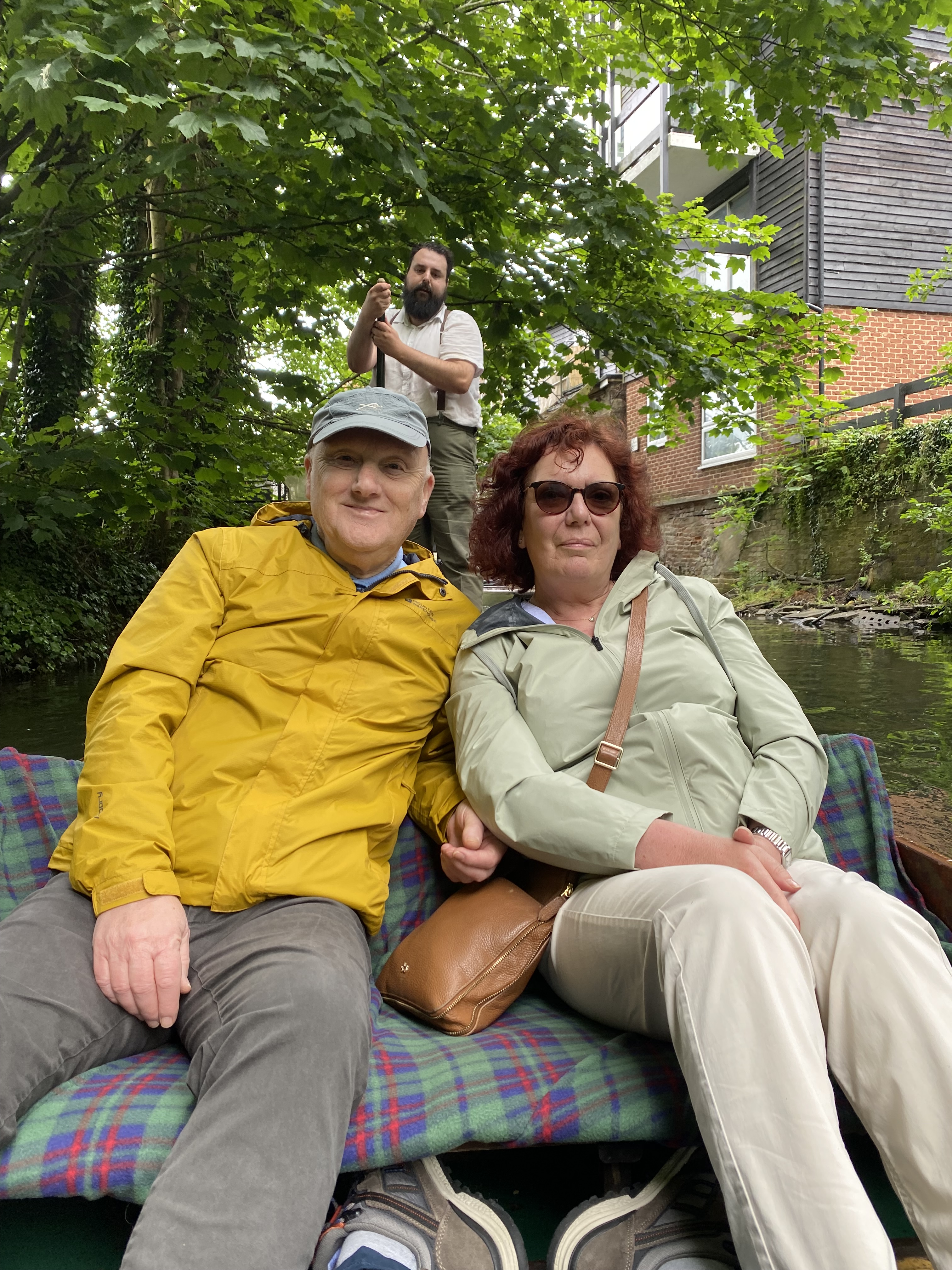

 This is me standing outside of Canterbury Cathedral and me and my Dad and Bern standing next to this Horse which is a statue of a Horse. It’s made by sticks where people or someone has used loads of long sticks to make it in to a statue of a Horse. I was very impressed with it. Me my Dad and Bern also really enjoyed going on The Canal to which was nice and relaxing and the guy who was pushing The Canal was telling us some very interesting stories about the history of the building’s we were seeing when we were on The Canal.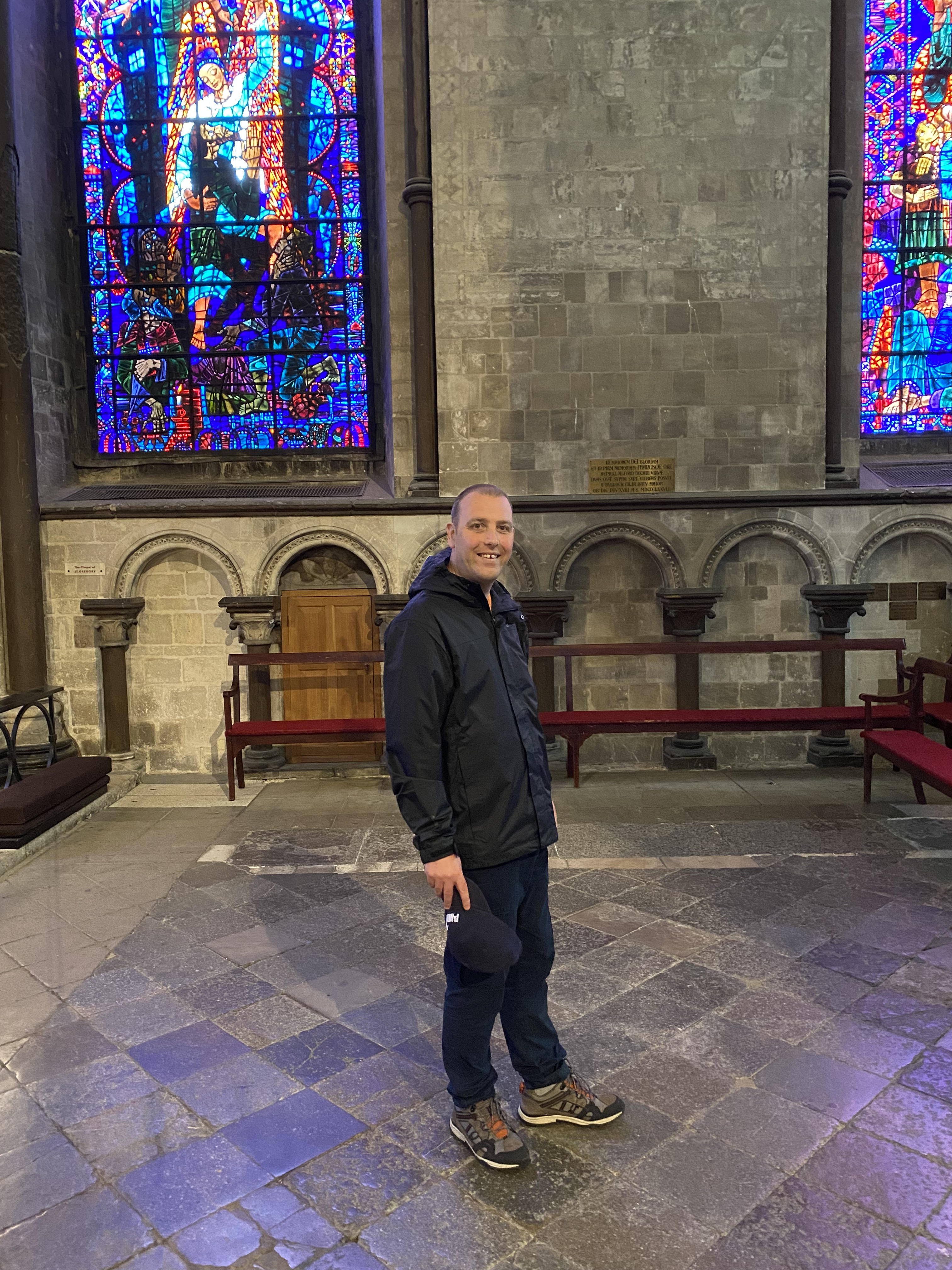





 Weevles Updates Disabled Bloggers Team