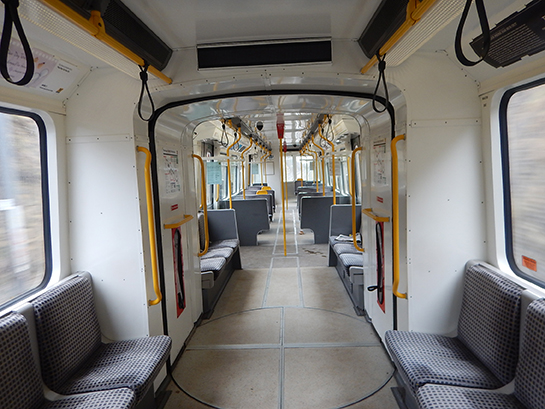
This is what it looks like inside the new Metro’s. I have not been inside them yet but their look good inside some are still having work done to them and their still getting worked on.
Weevles Updates Disabled Bloggers Team
Weevl Bloggers Corner
For all blog posts without a category
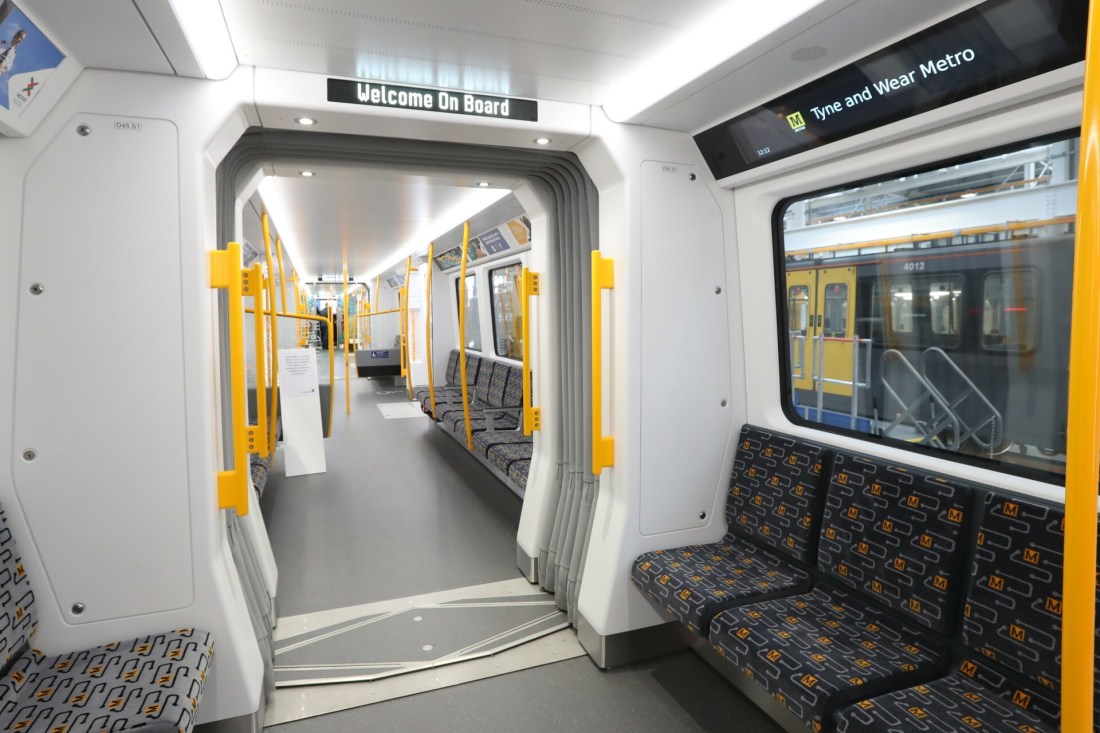
This is what it looks like inside the new Metro’s. I have not been inside them yet but their look good inside some are still having work done to them and their still getting worked on.
From the start of the war it was opposed by those who objected to war in principle and their position coined a new term ‘pacifist’. A voice for them was found thought the Union of Democratic Control but there were many others who acted out of religious or political conviction. In March 1916 when compulsory military service came into affect the right of pacifists were acknowledged. Some 16500 tough minded idealists mostly inexperienced young men withstood the pressures to join up. Over half agreed to perform non combatant service re medical or agricultural work. Some 6000 refused to accept the authority of the tribunals set up to assess how much of a pacifist they actually were or if they were cowards. Some were detained and arrested. Some were given hard labour in Dartmoor. One of these prisoners was a Quaker called Stephen Hobhouse who was from a wealthy family who his inheritance and went to work for the poor in Londons East end. People who supported the pacifists or conscientious objectors as they came to be known were ridiculed and pressured. In 1918 the suffering did not end for 5 years the were ostracised from society and could not get work. Bertrand Russell was fined £100 in 1916 deprived of his lectureship at Trinity College Cambridge and in February 1918 he was sentenced to 6 months in prison for publicly advocating an offer of peace negotiations to the Germans.
By 1917 all the fighting countries were suffering as never before. The French had sustained 3.3 million casualties, the Germans 2.5 million and the British over 1 million. It had become clear that if Germany did not starve Britain then Britain would starve Germany.
Attrition on the German home front
In Mid 1916 Germant faced the grim consequences of prolonging the war. Verdun had failed to break Frances spirit and there had been no grate breakthrough to justify hopes for victory. The only other possibility was to break Britain who had assessed the people only had 12 weeks of food left. Ordinary people became experts on British weaknesses and the press demanded action. After the peace overture in December 1916 fell on stony ground the German government decided in January 1917 to return to unrestricted submarine warfare. However Britain did not collapse and USA came into the war bringing another industrialised power into the equation. This intensified the war instead of attaining victory for the Germans. It lead to its own destruction.
For German people liofe became a total misery. October 1916 30,000 people gathered in Frankfurt to demand peace. This became known as ‘ turnip winter’ as turnip flour was used in place of wheat flour. In 1917 a daily food ration 1,000 calories. The birth raye halved and infant mortality rose by 25 per cent. The average 3 year old weighed 2 pounds 3 ounces and also tuberculosis took its toll.
This suffering of the German people was mocked by the growth of the black market. Starvation was rife and they had to watch the wealthy get all their supplies ok cause they could afford it on the black market. All dairy and meat products cost 10 times as much. There was great unease and suspicion and unrest threatened to spread. The British were conceived as a lesser enemy. In April 1917 125,000 workers in Berlin and Leipzig went on strike in protest.
The Blockade of Britain
Britain acquired a dictator of their own Lloyd George who became Prime Minister in December 1916 He command through 6 cabinets ministers and introduced ration books and prices.The merchant ships he had arranged for delivery of the food many were sunk. The coal industry was about to collapse. Food and fuel ran very low. They restricted beer production and all the flor mills were put under Government control. Lots of queues ensued outside butchers, bakers, fish mongers etc. Rationing worked and the person who brought it in was Lord Rhondda but he dies 1918 with stress the toll of the job had taken his life.
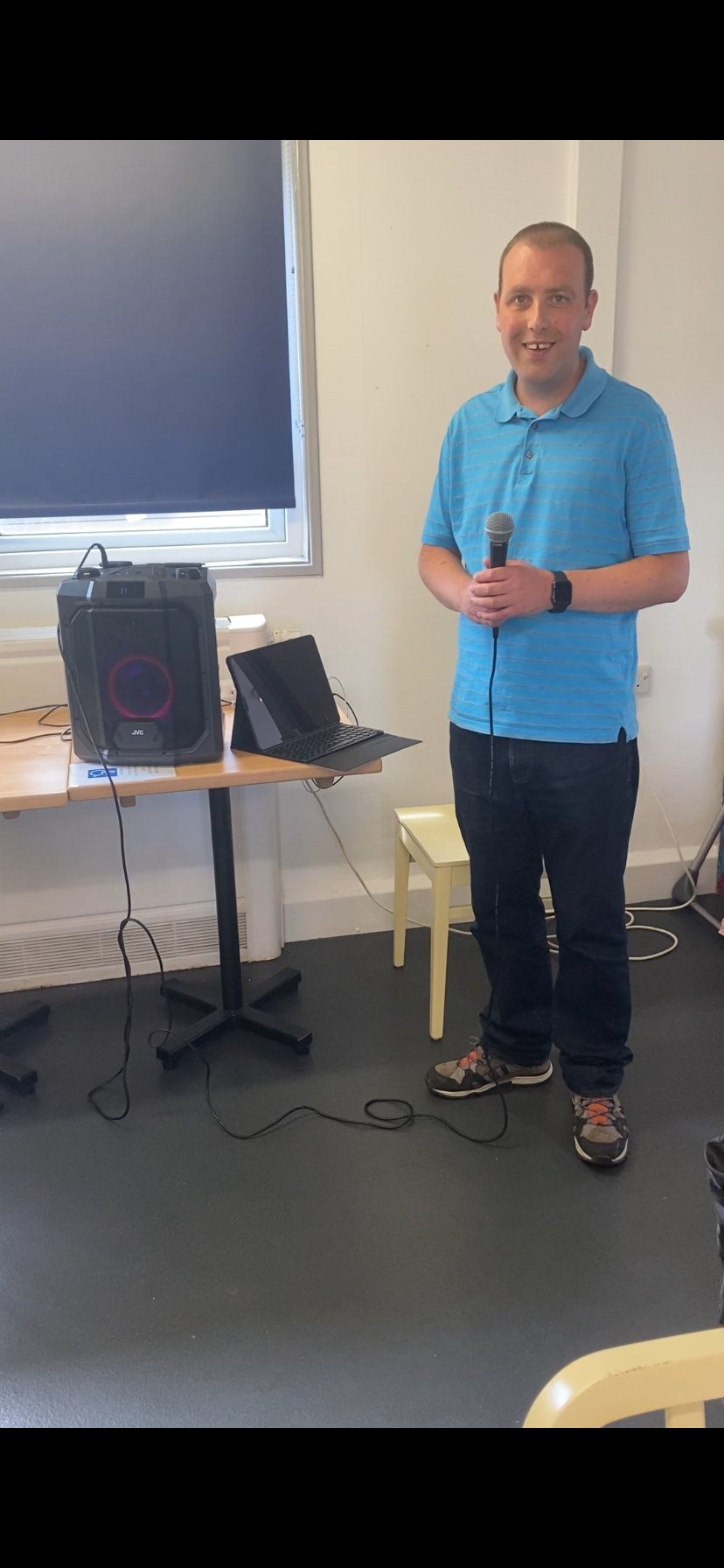
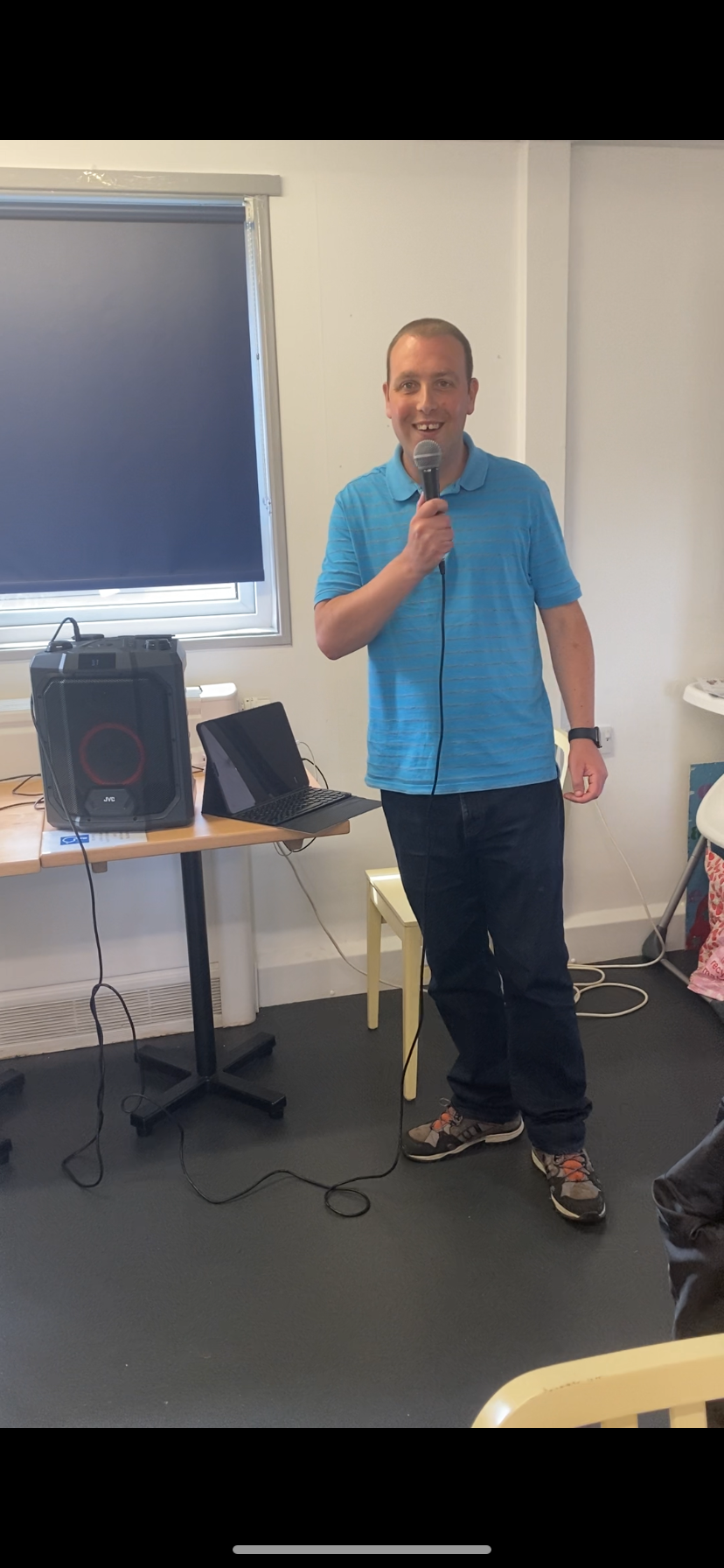
I have really enjoyed going on The Karaoke again today in The NTDF Cafe I sang Queen I Want To Break Free from 1984 from before It was born. I was out two years before I was born. It came out on the 2nd April 84 It is one of my favourite songs. I have it in my music library on my iPhone which I listen to sometimes.

I am looking forward to when WWE goes on Netflix next year on the 1st January 2025 next year on New Years Day.


I really enjoyed making The Bacon and Cheese Wraps in The Cooking Session in The NTDF Cafe yesterday their were very nice. Me Graeme Rodgers and Joe all worked together and Joe showed us what to do and how to make them and then we put them in the oven to cook and then we had them in The Cafe.
As the war progressed Turkey joined the Central Powers, Germany and Austria – Hungary. Turkeys move stemmed partly from its failure to supress revolution of the Balkans, partly from its century old fear of Russian designs upon the Dardanelles, the gateway out of the Black Sea. In early 1914 the war minister Enver Pasha had invited General Liman von Sanders the head of the German military mission to Constantinople(Istanbul) to reorganise the Turkish army. Enver Pasha went onto conclude a secret pact with Germany just before the war.
Turkey waited for two months then declared war and sent a force to its frontier with Russia in the Caucasus. In brutal weather 100,000 Turks pushed back Russian troops. Russia appealed to France and Britain for help and as the new year dawned counterattacked defeating the Turks decisively at Sarikamis. The tsars appeal struck a chord in England. Lord Kitchener was nervous that the Suez Canal might be vulnerable to a Turkish assault and was looking for a way out of the deadlock on the Western front. He and Winstan Churchill the first lord of the admiralty were convinced that the way forward was to strike at Germanys ally Turkey and to get a supply route to Russia. Both ere sure that the navy could do this job without drawing any troops away from the Western front.
In March 1915 a Franco- British naval squadron tried to force its way through the Dardanelles into the sea of Marmara from where the allied war ships could bring their guns to bear on Constantinople. They failed to make it through. Three ships one French and 2 British were sunk and another three damaged by unsuspected mines. In London the War Council came to the conclusion that land forces were needed after all. There were troops already the area in Egypt- raw Australian and New Zealand soldiers soon to be known as Anzaks. Plans were hurriedly drawn up for a Mediterranean Expeditionary force assembled on the island of Lemnos. It included British Australian French and New Zealand troops and was put under the command of General Sir Ian Hamilton poet and novelist and hero of the North West Frontier.The Turks guessed a land assault was imminant and took positions on the cliffs and hills along the Gallipolli peninsula. The commander prayed for a weeks grace and he got a month.He bought up 6 divisions 84000 men. The Turks had a brilliant commander Mustafa Kemal who later founded the Turkish Republic.
The Mediterraen Expeditionary Force (MEF) was 75000 strong. The plan was to attempt a difficult operation in the sea on beaches backed in many places by cliffs. Battleships and cruisers would bring the troops from Lemnos to positions offshore from where towing boats each pulling three barges would take them to their beaches. The Anzacs would take the northern sector, a beach adjoining the headland called Gaba Tepe.
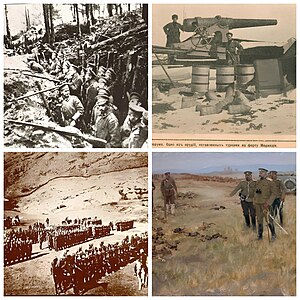
On the Gallipoli beaches the Anzacs and the British dug in. On 26th March the French were withdrawn from Kum Kale and redeployed on Cape Helles with the British.The conditions that developed rivalled anything in the trenches of the Western Fronts. In appalling heat, without shade and on iron hard land, the troups were destroyed by disease inaction and hopeless assaults. After three months did the British government attempt to break the deadlock by sending another five divisions.
In the autumn the rains set in and winter approached and the frost claimed their first victims, the allies ordered an evacuation. Trenches were booby trapped and rigged so that they appeared to be fully manned. Guns were fixed to fire automatically. This was the only success of the allies in a dismal campaign.In nine months 46000 had died on the allied side for nothing gained.
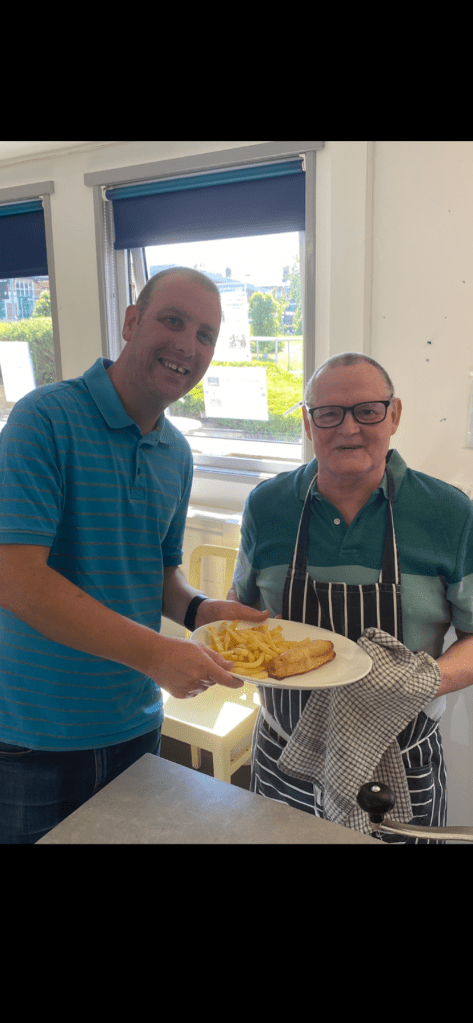
This is me and Joe from yesterday in The Cooking Session in The NTDF Cafe presenting my Sausage Roll and Chips we made yesterday in The Cooking Session. My Sausage Roll and Chips were very nice when I had them for my lunch there were lovely and I sat and had them in The Cafe with my other two friends Laura and Ross.
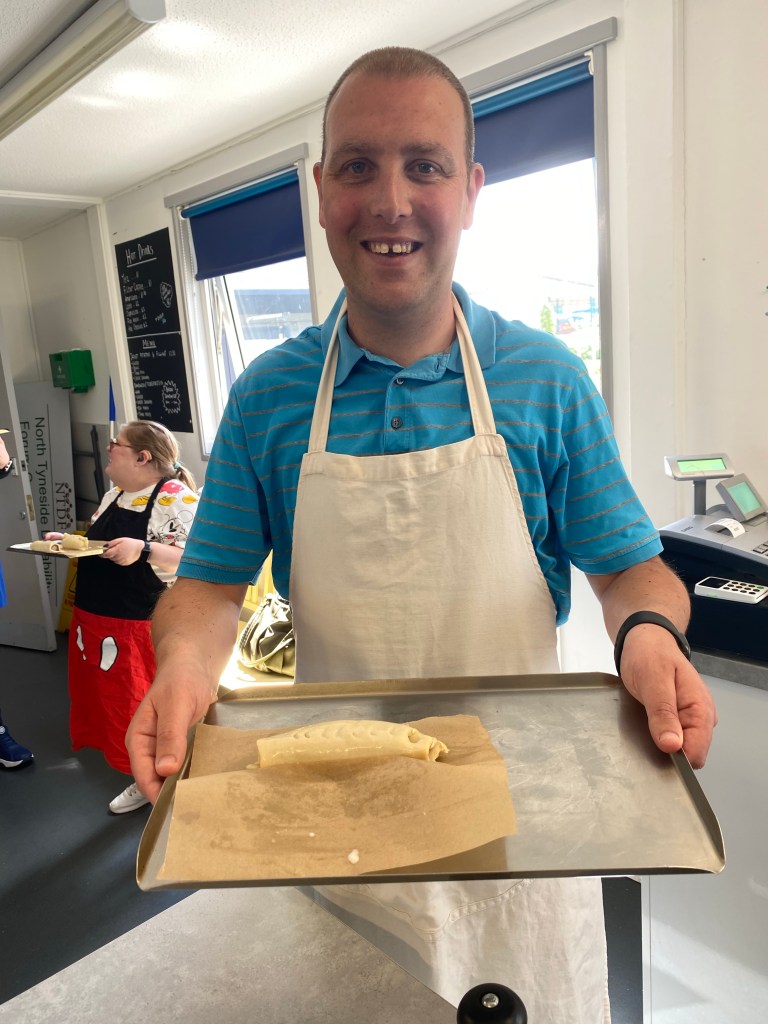
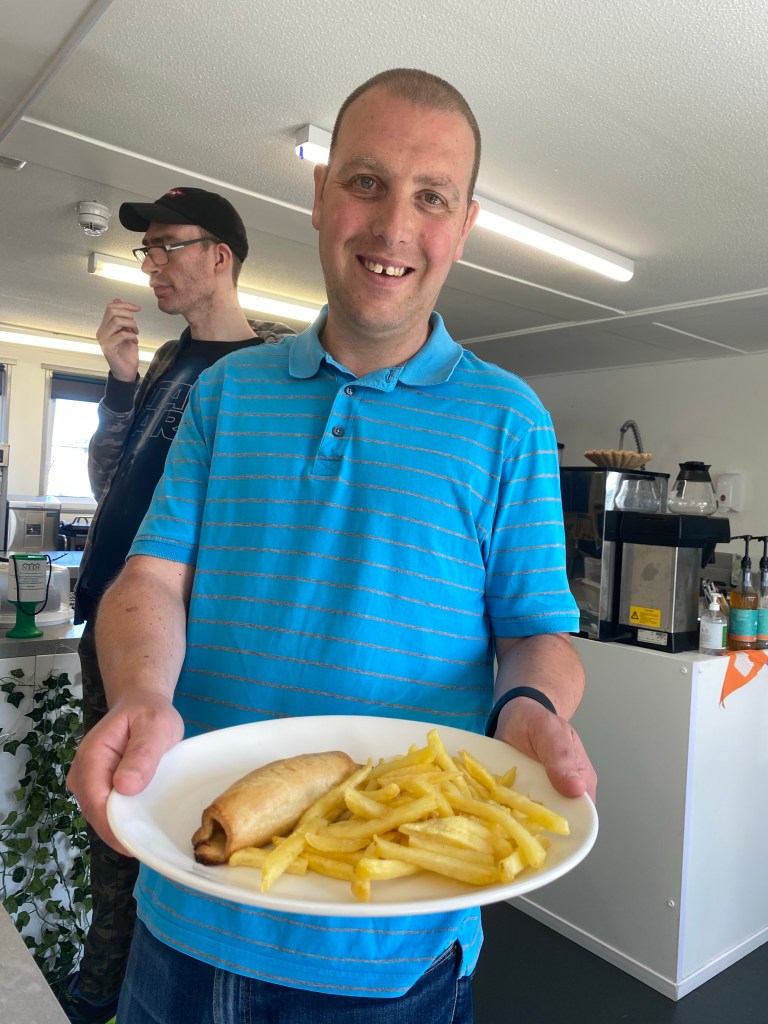
I really enjoyed making The Sausage Roll and Chips in The Cooking Session in The NTDF Cafe yesterday it was good fun. My Sausage Roll and Chips were very nice and I really enjoyed them a lot.
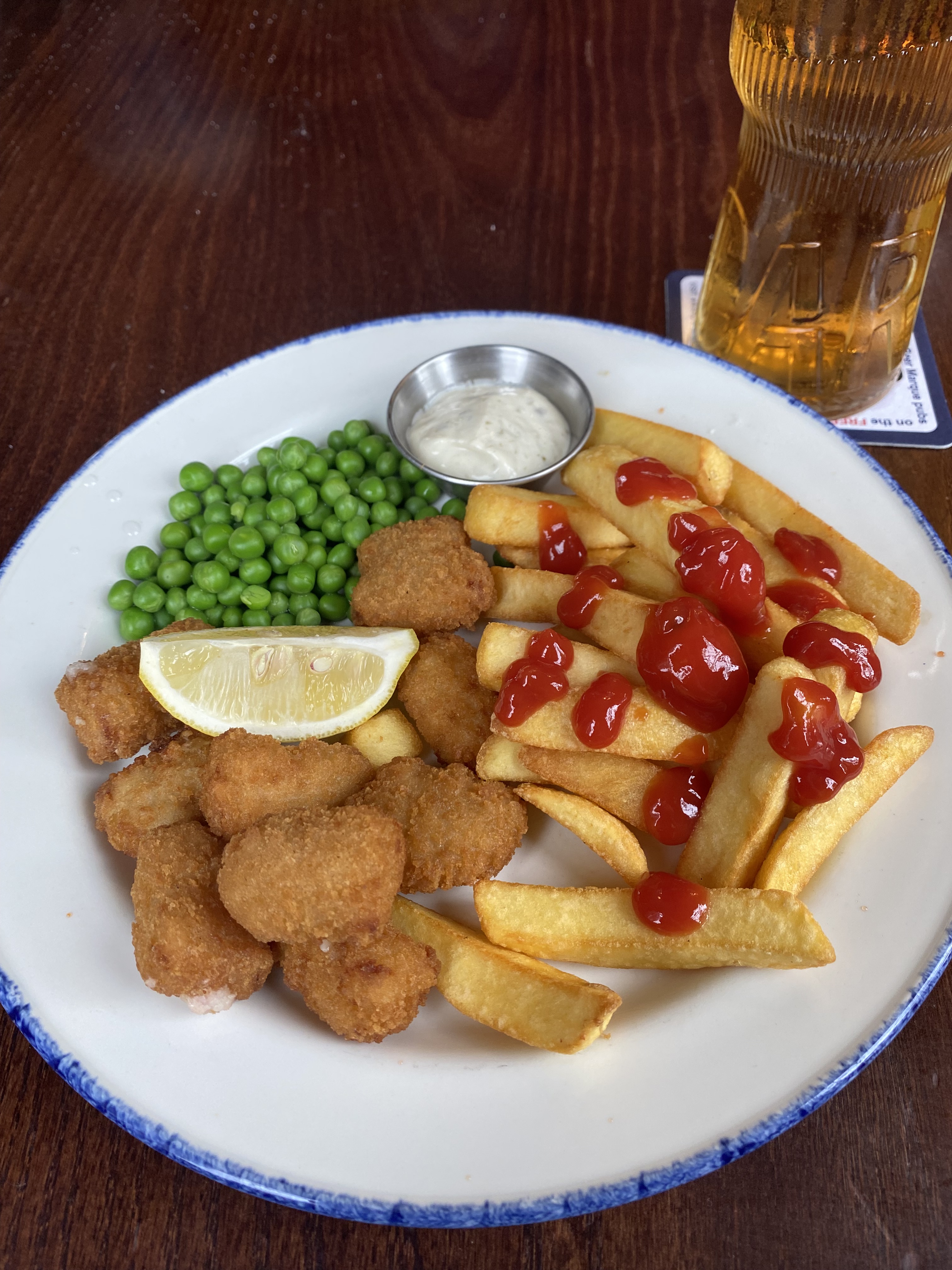
I really enjoyed my Scampi and Chips on Saturday at The Hunting Lodge with Carl there were very nice as always. There are very nice everytime I have them at The Hunting Lodge.
 Weevles Updates Disabled Bloggers Team