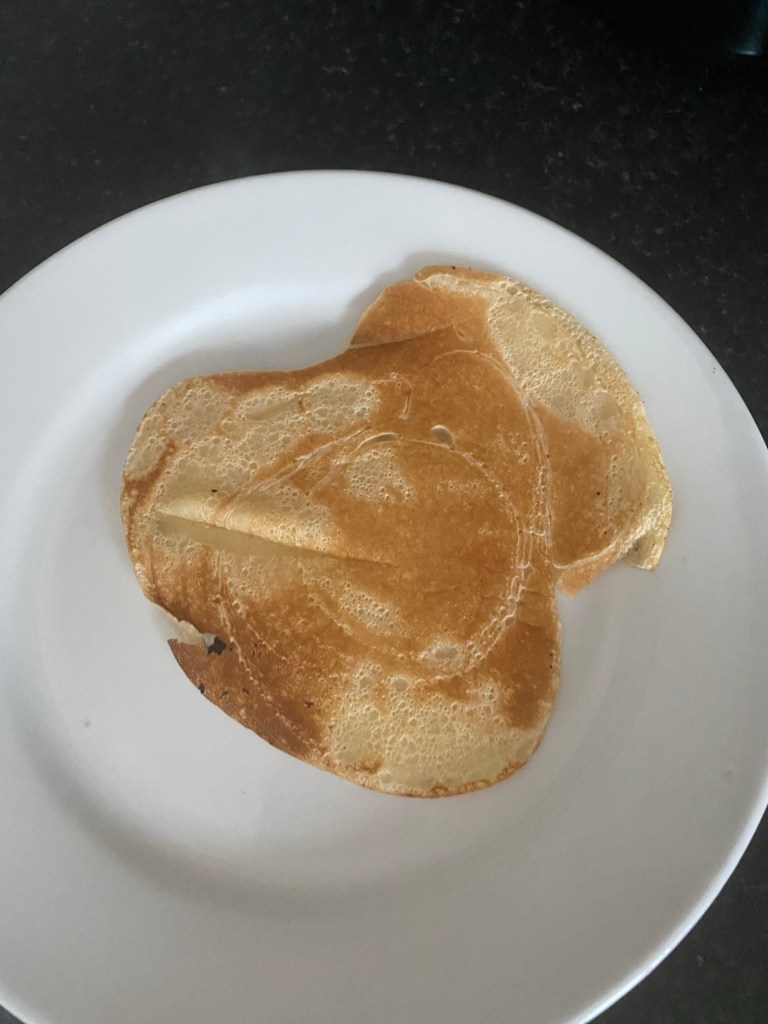
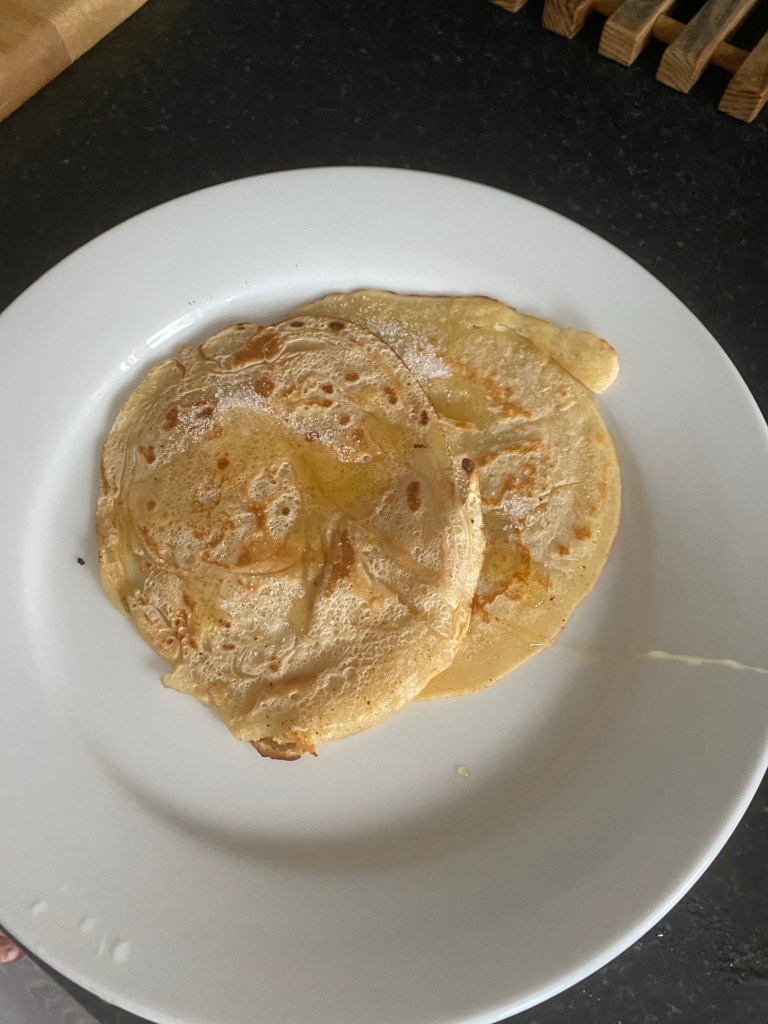
I really enjoyed my Pancakes yesterday my Mum made them for us their were very nice. These are the two photos I took of them yesterday.
Weevles Updates Disabled Bloggers Team
Weevl Bloggers Corner
For all blog posts without a category
I really enjoyed my Pancakes yesterday my Mum made them for us their were very nice. These are the two photos I took of them yesterday.
What is Digital Poverty?
Digital poverty is the inability to interact with the online world fully, when, where, and how an individual needs to. The alarming reality is that 1 in 7 adults and 1 in 5 children in the UK are digitally excluded. This divide exacerbates socio-economic disparities, severely limiting access to education, employment, and social interaction.
Addressing digital exclusion is essential to combating poverty. Digital access is crucial for education, job opportunities, and affordable utilities. Bridging this divide is a moral imperative and a critical step towards fostering equity and unlocking significant economic benefits. Immediate and decisive action is needed to ensure everyone can fully participate in and benefit from the digital age
Here is the link for Further Information. https://www.getonlineathome.org/2024/07/31/get-online-home-support-end-digital-poverty-day/?mc_cid=59b49968c0&mc_eid=98e43f4cb0



It’s always important to charge your Electric Toothbrush every week so it works every morning and every night.
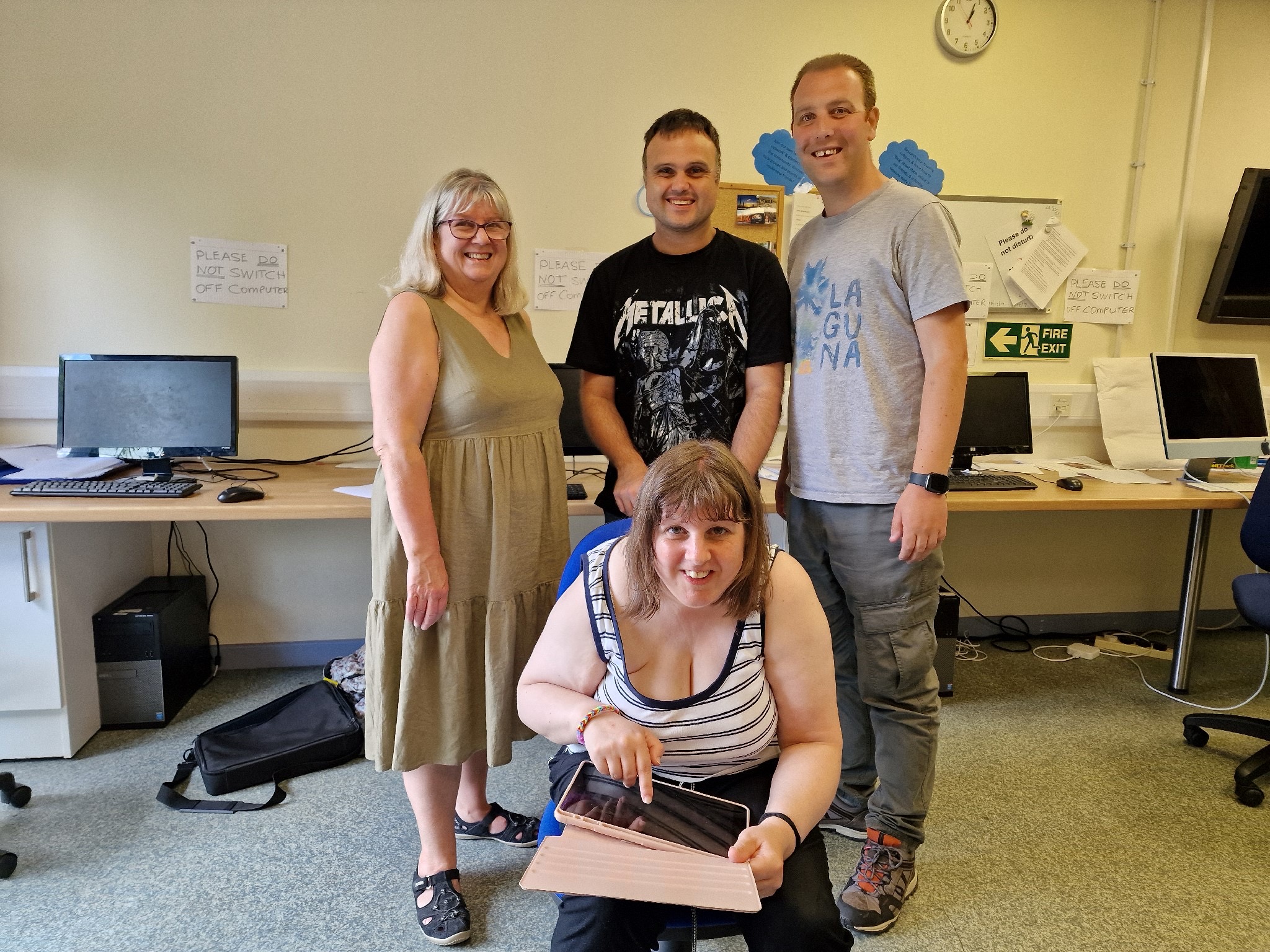
Our Digital Drop In with Graeme Amanda Glennis and Mart.
There is lots of evidence for incorporating video games aimed at hose you digitally support that have a Learning Disability. Here is a selection for you to investigate. See link below

This is me dressed up as Pudsey The Bear at The NTDF AGM Annual General Meeting in September 2017 seven years ago when I was thirty one when I was younger. This photo was took in Susan Proctor’s room and Liz Turnbull took the photo at the time.
America sent almost 400,0000 black soldiers to Europe. In 1914 the barriers to black advancement were scarcely less formidable than they had been just after the abolition of slavery. They were hemmed in by complex legislation confirming their status as ‘ separate but equal’. In fact these laws based voting rights on property and education condemning the blacks to permanent inequality.
When war broke out black leaders hoped that service would dissolve prejudice and segregation. Far from it. In places such as Spartanburg, South Carolina there were riots at the presence of Black Yankees in training. The men and their black officers were allocated to labour battalions and given menials chores. There were no black artillary officers and no black pilots. On arrival in France segregation was imposed no black was allowed to speak to a French woman and French officers were told not to meet blacks ‘ outside the requirements of military service’
Yet the black soldiers fought as bravely as whites. Several hundred received the French Croix de Guerre but none received the Medal of Honour from their own country. At home their contribution to the war effort vanished utterly beneath renewed waves of oppression. Wilson had won the support of those few blacks with political influence in 1912, saying that he wished to see ‘Justice done to coloured people’. And in this Fourteen Points he asserted a right to self determination. It was one of the ironies of history that 10 per cent of his own population had to wait another 40 years before they had any hope of benefiting from those ideals.
Until 1917 America remained neutral, but many of her citizens did not. Over 100 of them joined the 10000 strong French Foreign Legion in 1914 some of the 32000 foreign volunteers who joined the French and British including 1000 Germans opposed to their own countrys aims.
In the ranks of the Legionnaires Fighting with the British on the Somme was the Havard graduate and poet Alan Seegar who wrote one of the best known poems.
I have a rendezvous with Death on some scarred slope or battered hill, when spring comes round again this year and the first meadow flowers appear.
Death kept that rendezvous. Seegar dies in a shell hole on the Somme on July 4th 1916.
Hundreds of American volunteers found a role whenever they could. Dillwyn Parish Starr from Philadelphia served as an ambulance driver with the French before transferring to armoured cars at Gallipoli. At 32 as a lieutenant in the British Guards regiment he was killed on the Western Front in September 1916. On November 23rd 1917 a plane was shot down over Bourlon Wood during the battle of Cambrai. The pilot was an American Lieutenant A. Griggs serving with an Australian Squadron that formed part of the Britains Royal Flying Corps. When Winston Churchill on a visit to the Ypres salient in 1918 came across Henry Butters from San Francisco who was a second Lieutenant with the royal artillary he asked him how he had managed to be enlisted. Buttere replied candidly ” I just lied to them and said I was British born”
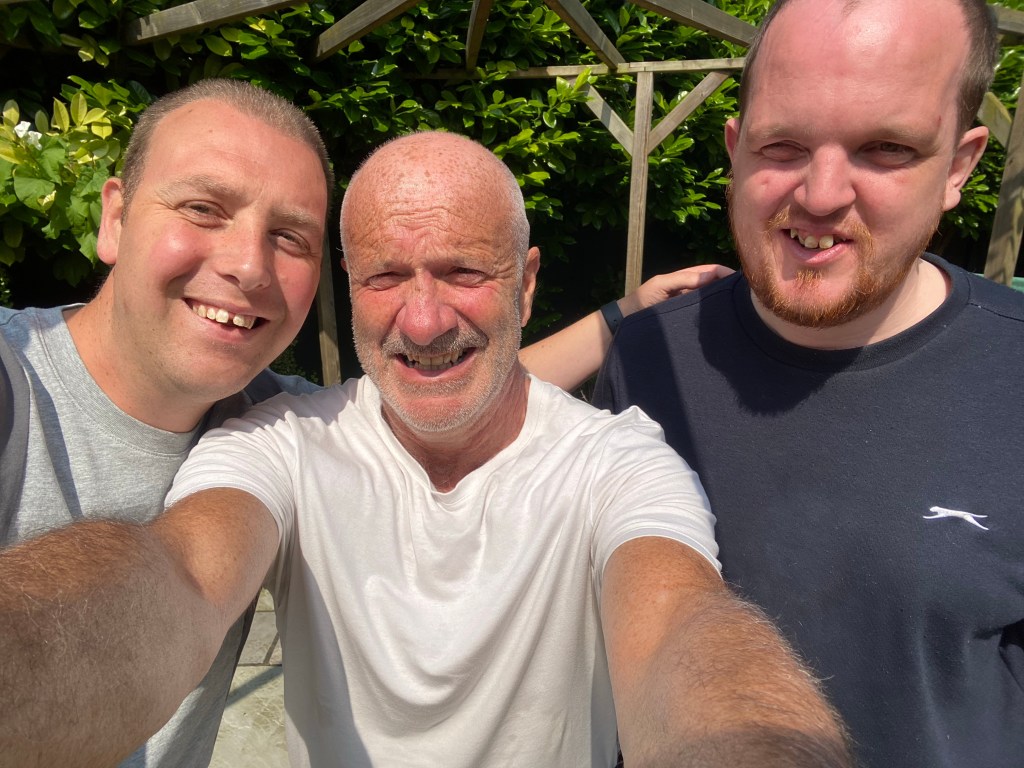
Mart Paul and Simon updating profile.
Perhaps the most poignant losses of the war were of men who remained genuinely lost, those who simply vanished, for whom relatives and friends had no focal point. Of all war memorials, the most moving is that of the Unknown Warrior.
The driving force behind this was a British , lieutenant- colonel, Henry Williams. At the end of the war 5000 men were given the job of exhuming those buried on battlefields, identifying them if possible and then reburying then in cemeteries. As a member of the Imperial War Graves Commission which was established in 1917 to bury or commemorate the war dead of the British Empire, Williams was asked to command them.
He was struck by the numbers who were unidentifiable or missing presumed dead. The 3888 graveleaa British soldiers killed during the retreat fro9m the Marne, the 56,000 unknown dead at Ypres. the 20,763 men who died at Gallipoli with no graves.
Backed by Sir Fabian Ware the head of the Commision, he suggested that one unidentified body should be buried in Britain as a symbol of all those others who had no grave. It took a year for the War Office and Westminster Abbey to agree that there should be indeed a memorial to the unknown Warrior.
Once the decision was taken a body was chosen and the unknown warrior began his journey home in a coffin of oak cut from the grounds of Hampton Court Palace.
On November 11th 1920 2 years to the day after the war had ended the coffin carrying the soldier was carried down Whitehall at 11am was unveiled at the Cenotaph. After a ceremony the procession moved towards to Westminster Abbey where the body was interred.
The war was a terrible waste. The Allies lost 5 million men. Great Britain alone lost 743000 dead. France suffered almost twice as many under 1.4 million dead. In all more than 8 million soldiers died as a result of the conflict.
With the machinery of war which had never been used in previous conflicts the terrible effect left many men mutilated beyond recognition. This made the task of compiling accurate figures almost impossible. This task was further complicated by other destructive events which happened at the same time such as the Influenza pandemic of 1918 -1919.
According to some estimates this amounted to around £270 billion.
The hearts and minds bore a most terrible cost of the population left in villages all over the globe. To pick up the pieces of life after the loss of there loved ones.
1.5 million men were left wounded in body or mind or both. One in 8 who served.
 Weevles Updates Disabled Bloggers Team