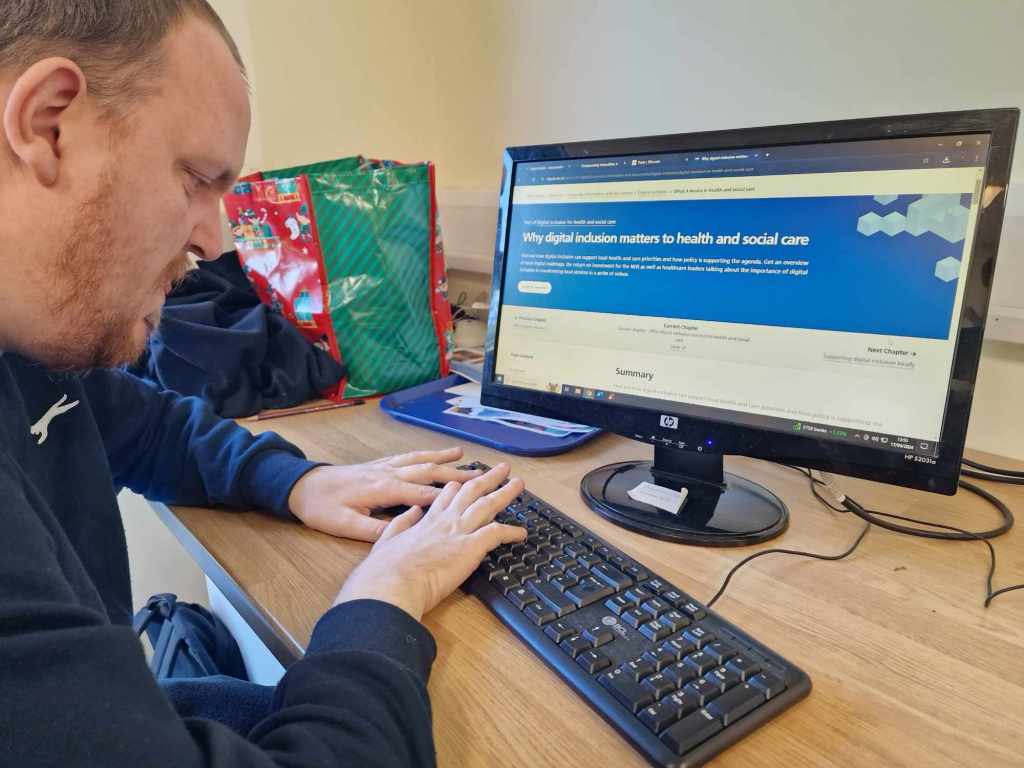
 Here I am giving a brief reading from my published book called “It’s Great To Be A Volunteer”.
Breaking Down Barriers: How Compounding Inequalities Impact Access to Digital Health Services

A third of people who are offline find that the NHS is one of the most difficult organisations to interact with (Lloyds, 2022). In addition, those who are offline are twice as likely to indicate a health condition compared to those who are online (Lloyds, 2023).
These statistics tell us that not only do those who are digitally excluded struggle to interact with health services, they are also more likely to need to.
This overlap between digital exclusion and access to health-care has been well researched by member organisations within the VCSE (Voluntary, Community and Social Enterprise) Health and Wellbeing Alliance, a partnership between voluntary sector representatives and the health and care system focused on improving services for communities. Our recent ‘Designing For Digital Inclusion in Healthcare’ seminar series was a project supported by the alliance, with the aim of drawing together this research and learning, to help reduce barriers to accessing health care.https://www.goodthingsfoundation.org/what-we-do/news/compounding-inequalities-in-accessing-digital-health-services/?fbclid=IwAR1jF9yfb9ziCsQ4XTuv0s8C43TVfMm8mBcFu-kc5zcnFw5804XrUbrKwr8
The Beach Boys Surfer Girl From 1963.

I love this song by The Beach Boys. I love listening to it in my music library on my iPhone when I am out and about walking and when I am on the metro on my way to NTDF and when I am on my way back from NTDF on my AirPods headphones and when I am out for a walk. I also love listening to the song in my bedroom on my ibox when I am getting ready for the shower. It came out and was released on the 16th September 1963 in the mid 60’s the back end of 63 before I was born the song is called Surfer Girl.
Sir Henry Dukes MI6 officer in WW1
(10 February 1889 – 27 August 1967) was a British MI6 officer and author.
Early life and family
Paul Henry Dukes was born the third of five children on 10 February 1889 in Bridgwater, Somerset, England. He was the son of the Congregationalist clergyman, Rev. Edwin Joshua Dukes (1847-1930), of Kingsland, London, and his wife, the former Edith Mary Pope (1863-1898), of Sandford, Devon. Edith was an academically gifted woman, the daughter of a schoolteacher, who obtained her Bachelor of Arts degree by correspondence course at the age of 20. In 1884, she married Edwin, who had returned from missionary work in China. She died from a disease of the thyroid gland, and in 1907, Edwin remarried to a 40-year-old widow named Harriet Rouse.
Paul’s siblings included the playwright Ashley Dukes (1885-1959) and the renowned physician Cuthbert Dukes (1890-1977). He had an elder sister, Irene Catherine Dukes (1887-1950), who led a life plagued by illness, and yet another, younger brother, Marcus Braden Dukes (1893-1936), who died in Kuala Lumpur while working as a government official. His sister-in-law was the renowned ballet dancer Marie Rambert. Paul Dukes was also the great-uncle of poet Aidan Andrew Dun, who is the grandson of his brother Ashley.
Paul was educated at Caterham School before going on to pursue a career in music at the Petrograd Conservatoire in Russia.
Career
As a young man he took a position as a language teacher in Riga, Latvia. He later moved to St. Petersburg, having been recruited personally by Mansfield Smith-Cumming, the first “C” of MI6 (SIS), to act as a secret agent in Imperial Russia, relying on his fluency in the Russian language. At the time, he was employed at the Petrograd Conservatoire as a concert pianist and deputy conductor to Albert Coates. In his new capacity as sole British agent in Russia, he set up elaborate plans to help prominent White Russians escape from the Gulag and smuggled hundreds of them into Finland.
Known as the “Man of a Hundred Faces,” Dukes continued his use of disguises, which aided him in assuming a number of identities and gained him access to numerous Bolshevik organizations. He successfully infiltrated the Communist Party of the Soviet Union, the Comintern, and even the political police, or CHEKA. Dukes also learned of the inner workings of the Politburo, and passed the information to British intelligence.
He returned to Britain a distinguished hero, and in 1920 was knighted by King George V, who called Dukes the “greatest of all soldiers.” To this day, Dukes is the only person knighted based entirely on his exploits in espionage.
He briefly returned to active service in 1939, helping to locate a prominent Czech businessman who had disappeared after the Nazi occupation of Czechoslovakia. He referred to the businessman as Alfred Obry in his later book about the search, entitled An Epic of the Gestapo. According to A History of the British Secret Service (1969), “Paul Dukes was always a meticulous agent in paying attention to detail. He combed all the Czech papers and in one found this paragraph: ‘A thirteen-year-old boy found on the railway line to Tuschkau the completely unrecognizable corpse of a man. The body was mutilated beyond recognition and the right hand was missing. The police pronounced a verdict of suicide. From papers found on the body it appeared the person was Friedrich Sweiger, a tailor of Prague.’ Dukes immediately suspected Sweiger was in fact Obry, especially since this was the route Obry was to have taken on his escape. He built up a strong case against the Gestapo of murdering Obry and not only demanded exhumation of the body but succeeded in persuading the Germans to do this. The corpse was undoubtedly that of Obry.”
Dukes was also a leading figure in introducing yoga to the Western World.
Writing
His book Red Dusk and the Morrow chronicles the rise and fall of Bolshevism and he toured the world extensively giving lectures pertaining to this subject. Dukes’ other books are listed below.
Personal life
In 1922,Dukes was first married to Margaret Stuyvesant Rutherfurd (1891–1976), former wife of Ogden Livingston Mills, the U.S. Secretary of the Treasury. Margaret was the daughter of Anne Harriman, the second wife of William Kissam Vanderbilt, and her second husband, Lewis Morris Rutherfurd, Jr., son of the astronomer Lewis Morris Rutherfurd. They divorced in 1929, and Dukes later married Diana Fitzgerald in 1959.
He died on 27 August 1967 in Cape Town, South Africa, aged 78.

Hammer House Of Horror Episode Rude Awakening From 1980.

I also love this Hammer House Of Horror episode from 1980 from before I was born it is another scary one. It is another one of my favourite Hammer House Of Horror episodes from 1980 and from my Hammer House Of Horror dvd. It on the telly back on the 27th September 80 six years before I was born and the episode is called Rude Awakening.
Hammer House Of Horror Episode The Thirteenth Reunion From 1980.

This is one of my favourite Hammer House Of Horror episodes from my Hammer House Of Horror dvd boxset it is from 1980 and it is from before I was born. The episode is from the 20th September 80 it is another one of the most scary episodes and it is called The Thirteenth Reunion.
My Grandma’s Birthday Celebration April 2024.
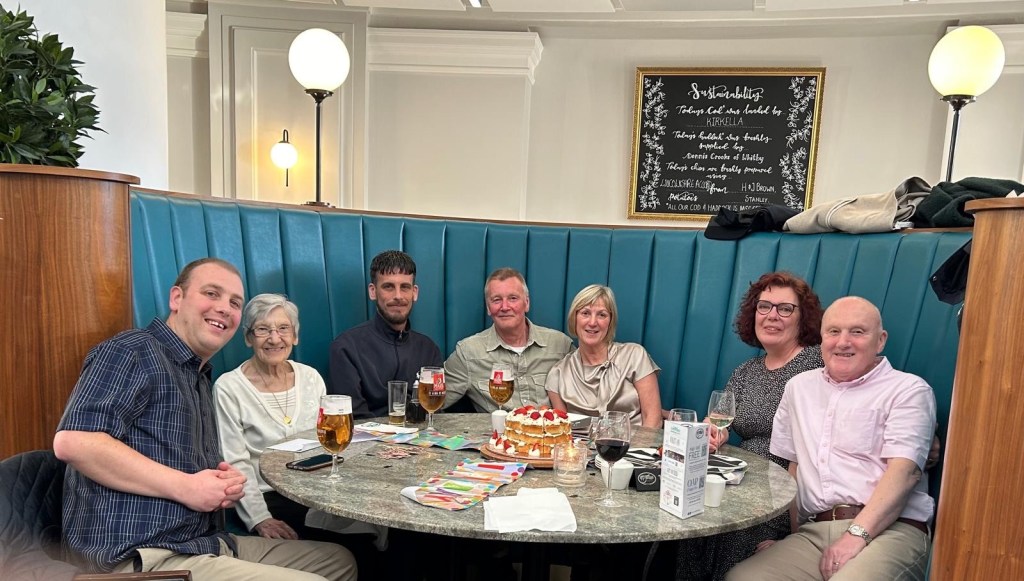
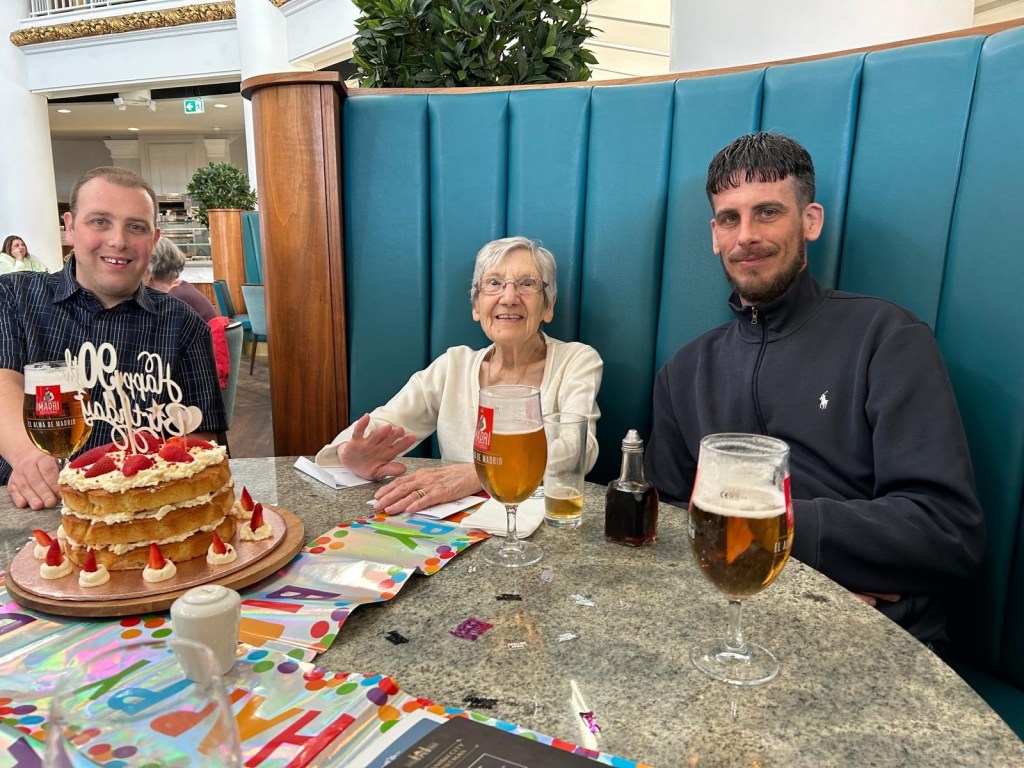


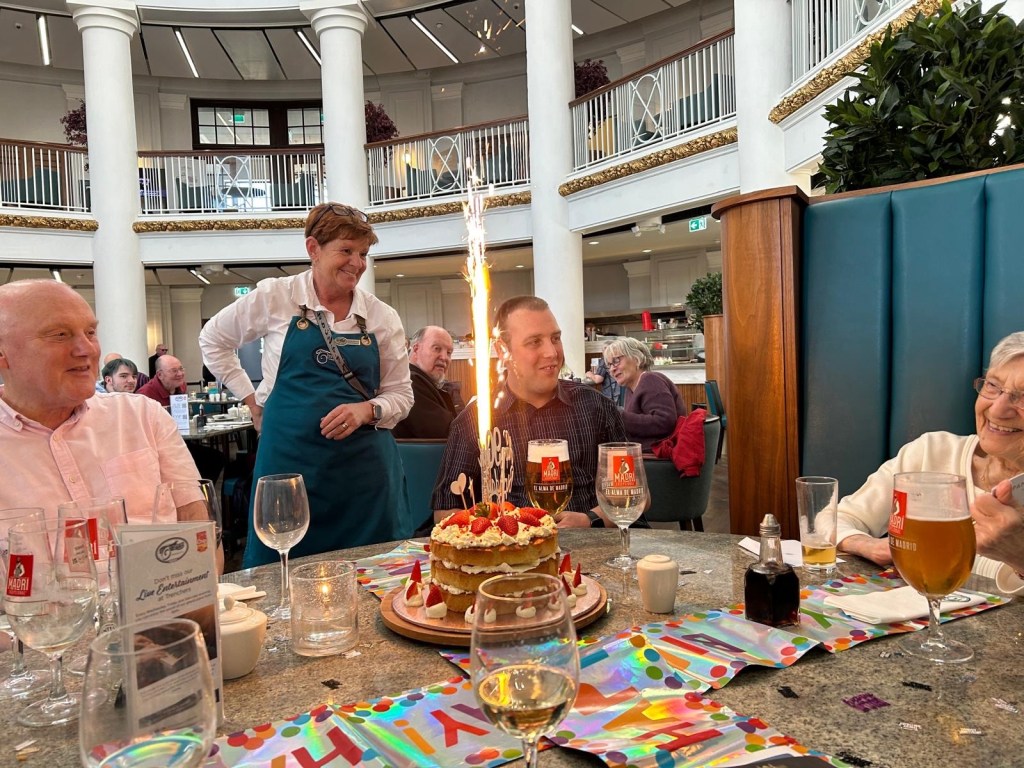



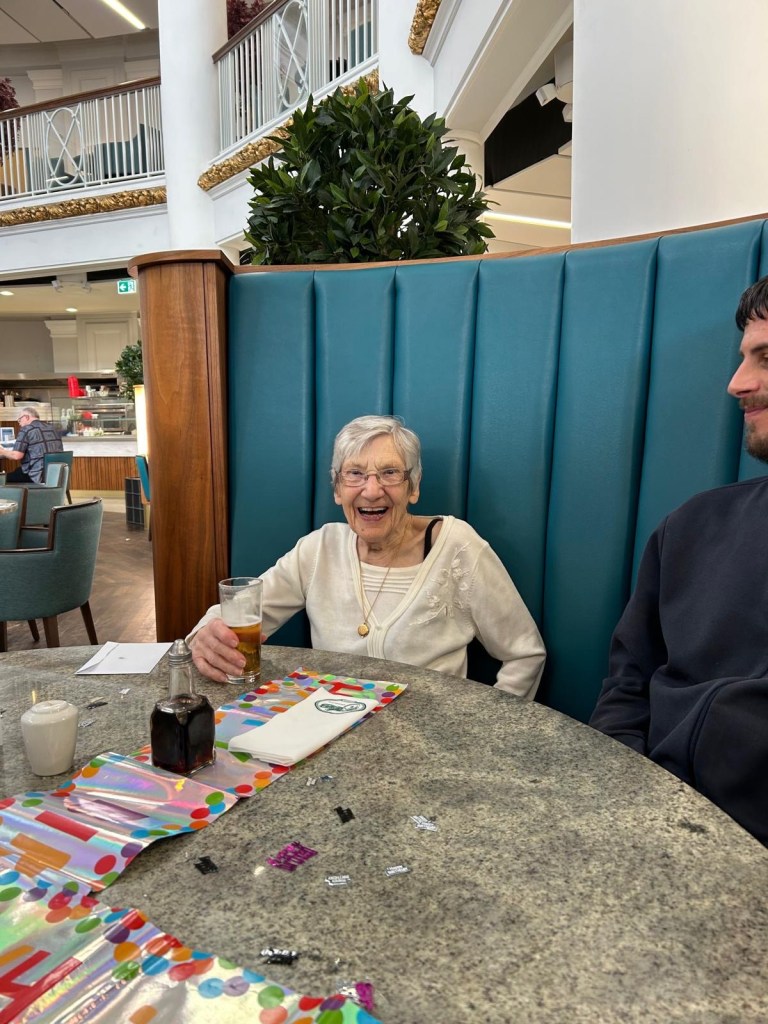
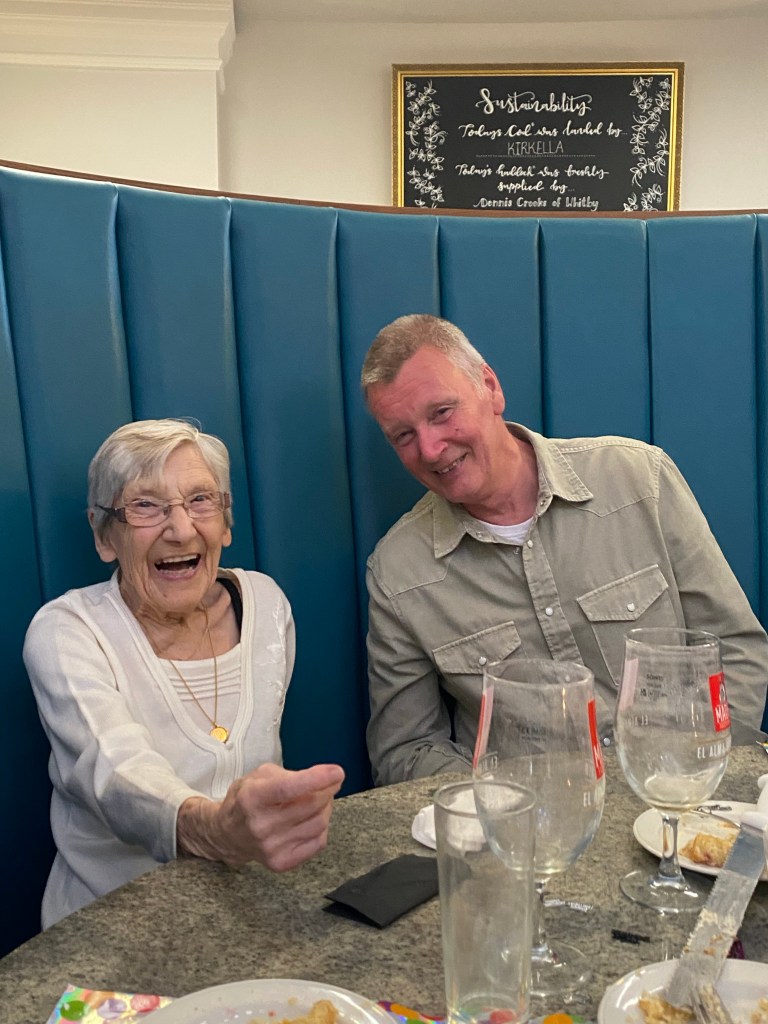
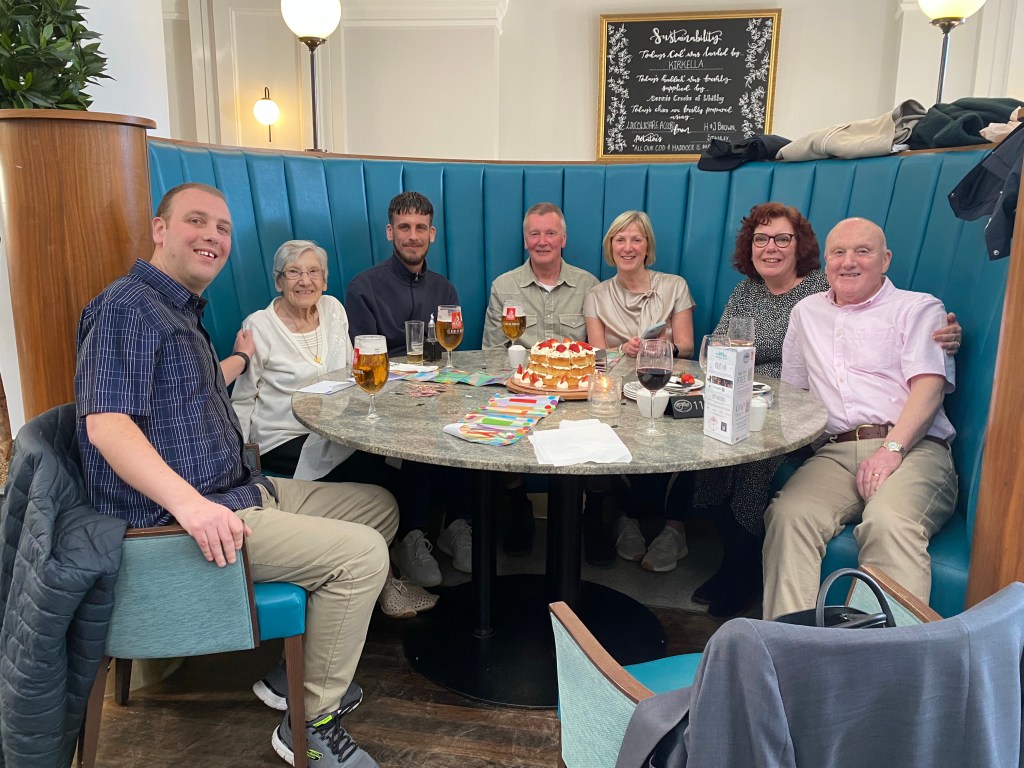
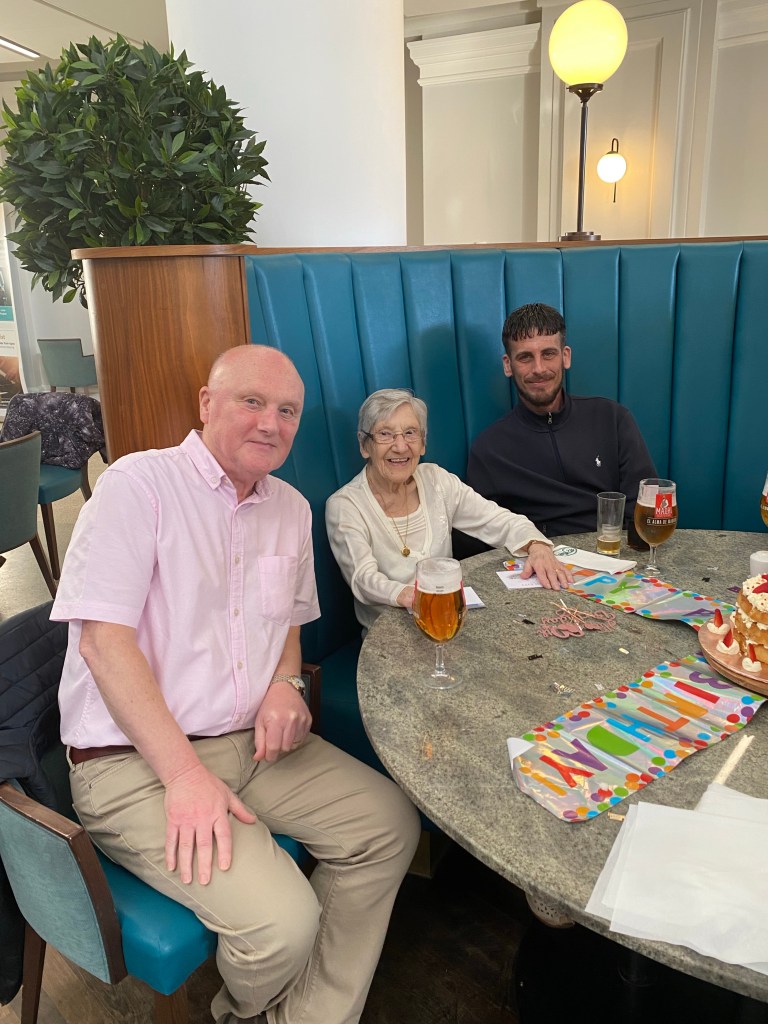
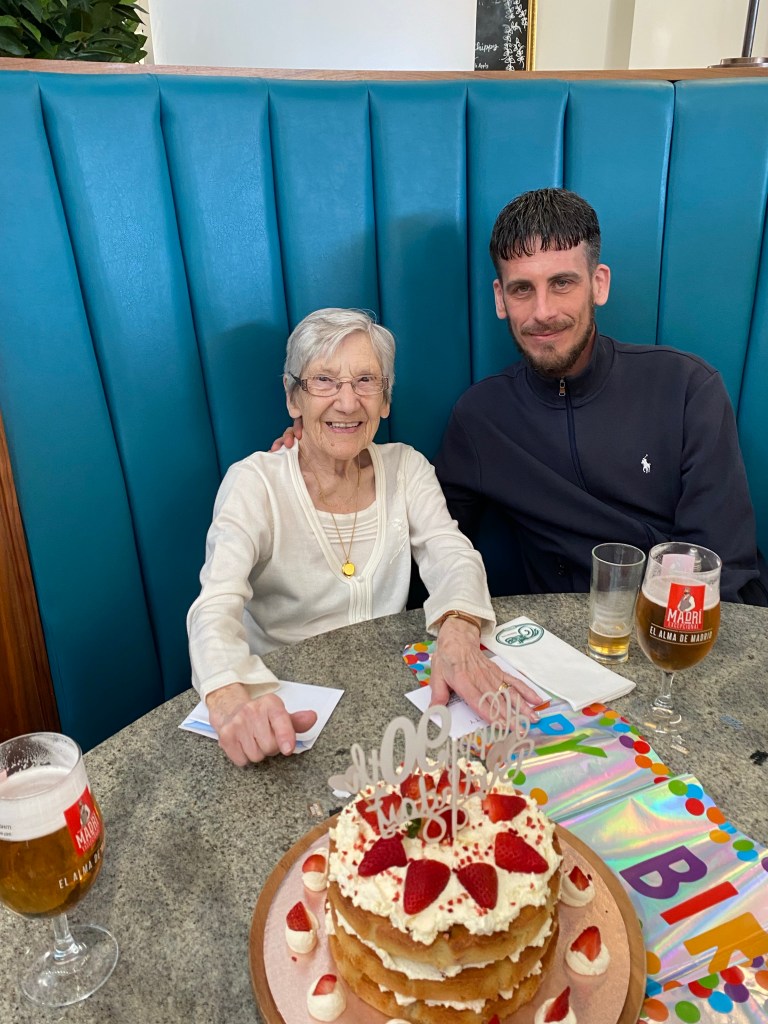
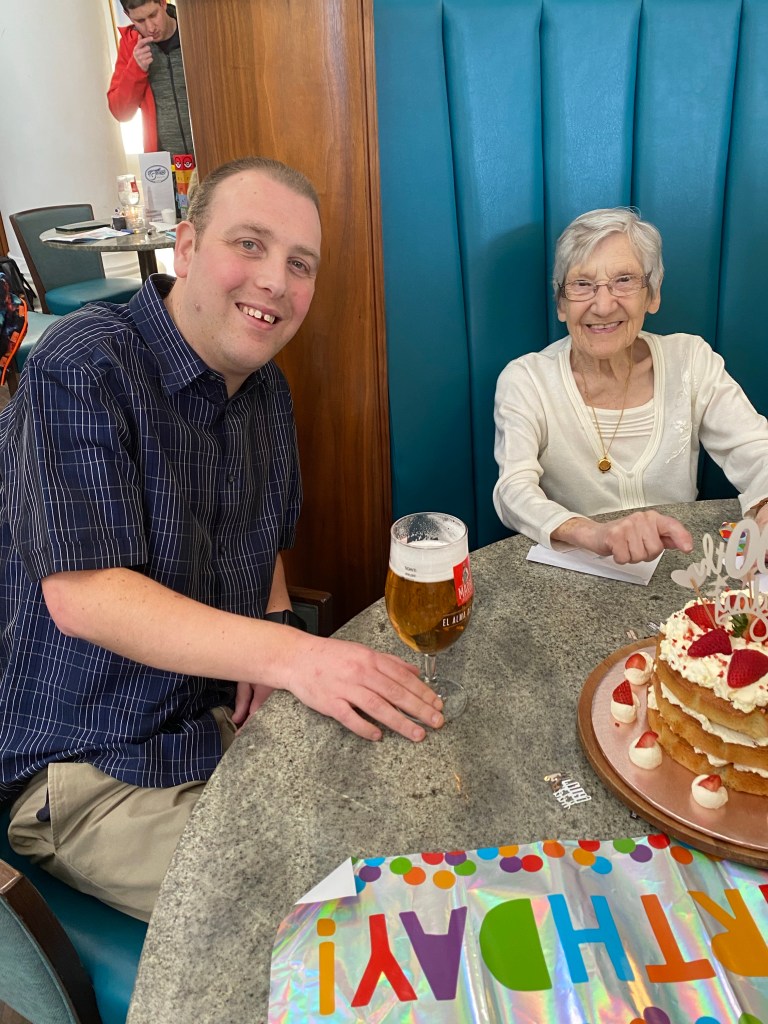
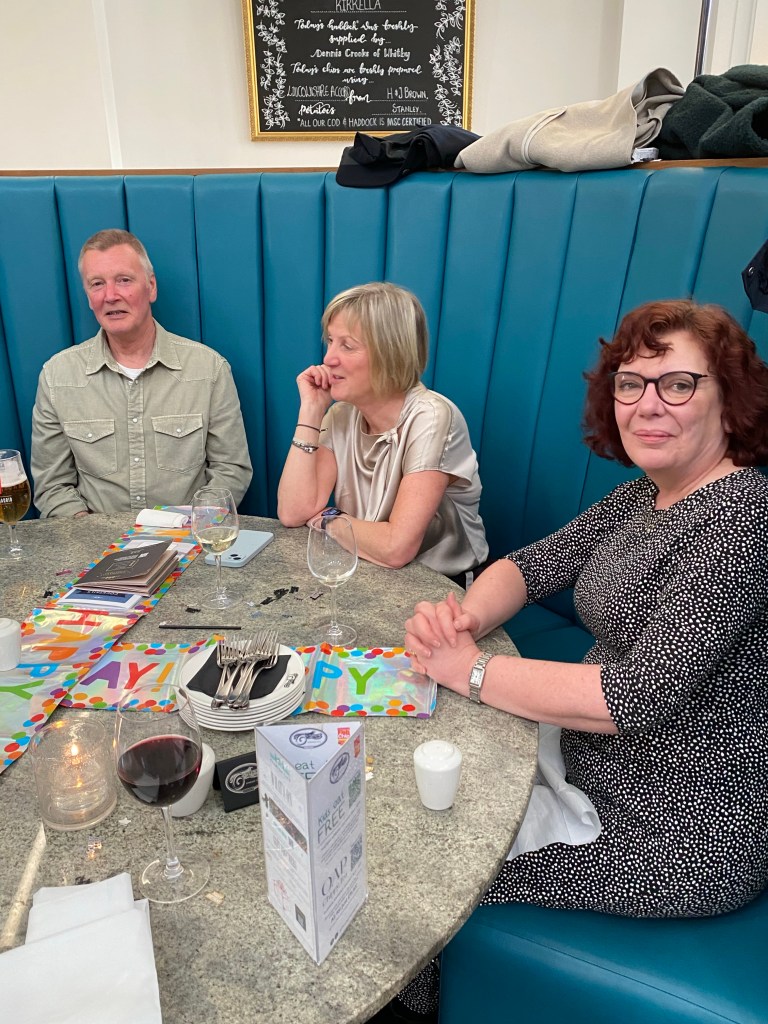
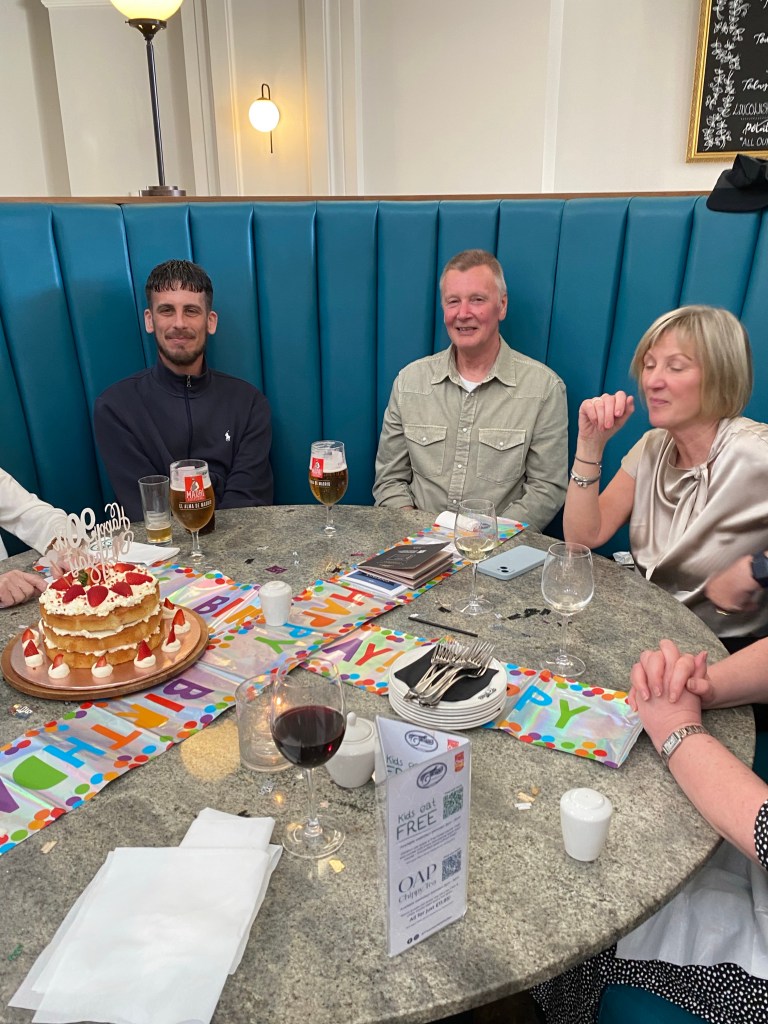
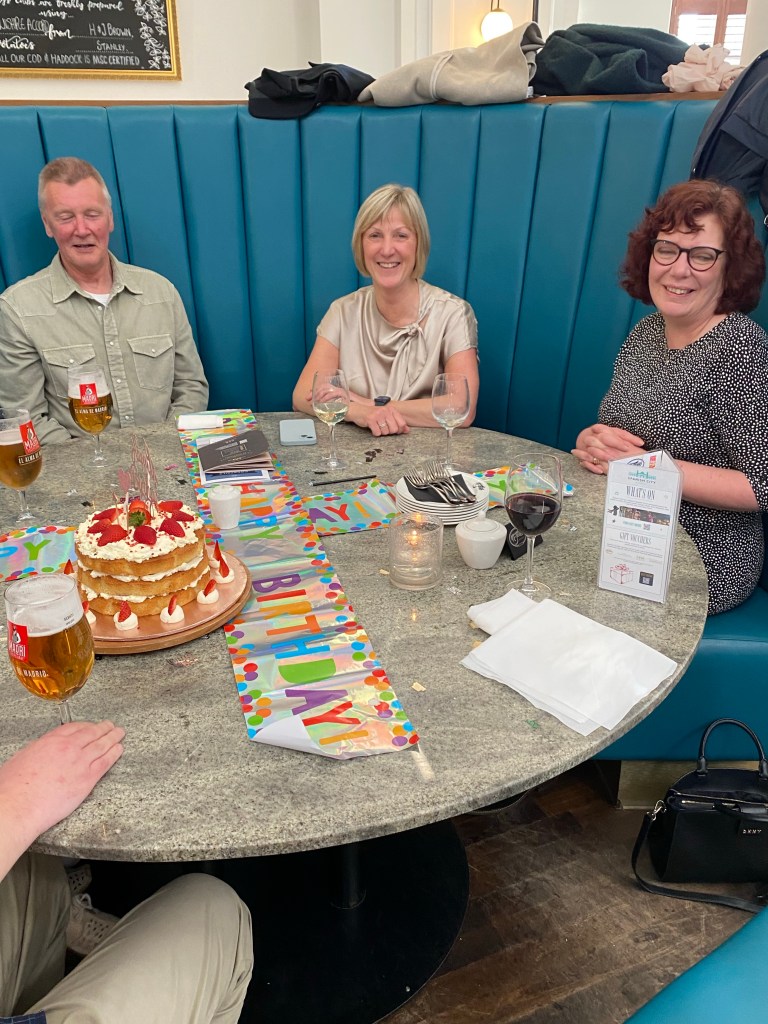
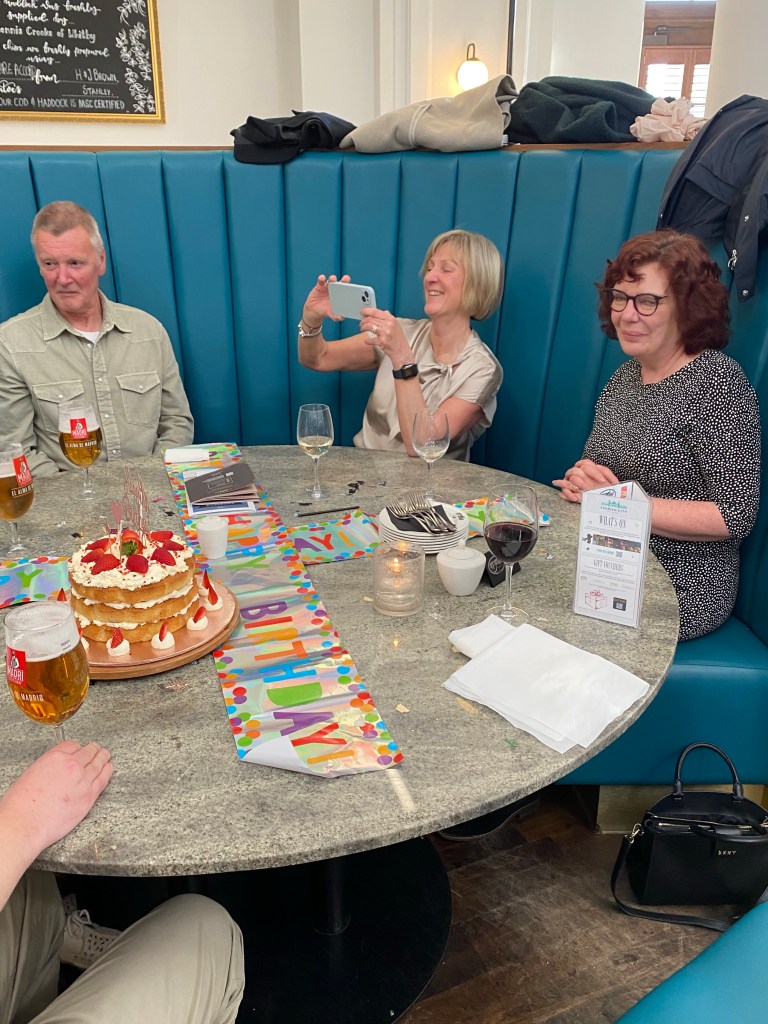
I really enjoyed it when me my Dad Bern Kevin Lesley Dan and my Grandma all went out to Spanish City Dome last Saturday night for my Grandma’s birthday. We had nice fish and chips for dinner in The Restaurant downstairs and then some birthday cake for my Grandma which we all had and we all had a nice night it was really good and it was a good family night out.
My Cheese Scones From Yesterday.
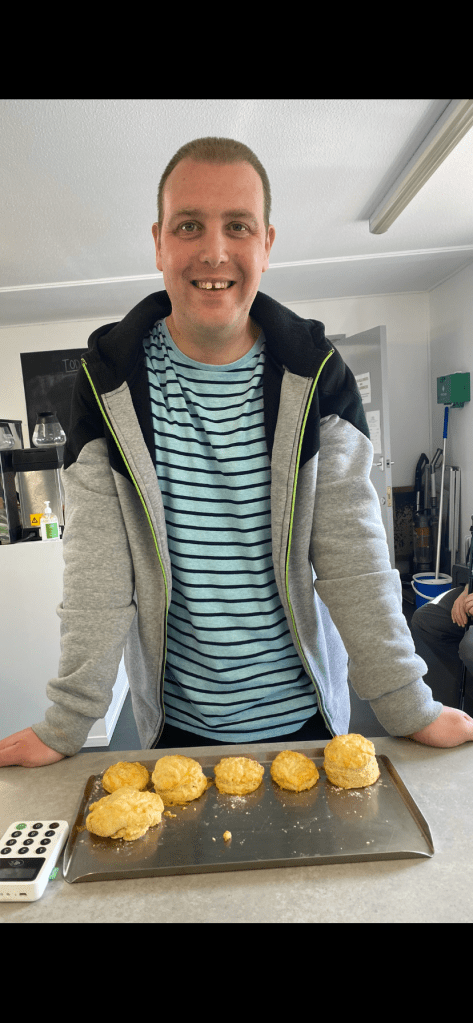


These are the cheese scones I cooked yesterday in The Cooking Session in The NTDF Cafe at NTDF yesterday. I cooked cheese scones and they were very nice these were before and after the scones were cooked. I also really enjoyed yesterday’s cooking session because I thought it was really good fun again like it is every Monday.
Mastodon Social Media – A Challenge to X (Formerly Twitter
Mastodon is free and open-source software for running self-hosted social networking
services. It has microblogging features similar to Twitter, which are offered by a large
number of independently run nodes, known as instances or servers, each with its
own code of conduct, terms of service, privacy policy, privacy options, and content
moderation policies.
Each user is a member of a specific Mastodon server that can interact seamlessly
with users in any other server. This is intended to give users the flexibility to select a
server whose policies they prefer but keep access to a larger federated social
network. Mastodon is powered by the ActivityPub protocol, making it part of the
Fediverse ensemble of services such as Lemmy, Pixelfed, Friendica, PeerTube, and
Threads.
Mastodon was created by Eugen Rochko and announced on Hacker News in
October 2016.[9] It gained significant adoption in 2022 in the wake of Twitter’s
acquisition by Elon Musk. The project is maintained by the German non-profit Mastodon gGmbH. Mastodon
development is crowdfunded, and the code does not support advertisements.
Functionality and features
Mastodon servers run social networking software that is capable of communicating
using W3C’s ActivityPub standard, which has been implemented since version
1.6.[14] A Mastodon user can therefore interact with users on any other server in the
Fediverse that supports ActivityPub.
Since version 2.9.0, Mastodon has offered a single-column mode for new users by
default.[15] In advanced mode, Mastodon approximates the microblogging user
experience of TweetDeck. Users post short-form status messages, historically known
as “toots”,[16] for others to see. On a standard Mastodon instance, these messages
can include up to 500 text-based characters, greater than Twitter’s 280-character
limit. Some instances support even longer messages.
Users join a specific Mastodon server, rather than a single centralized website or
application. The servers are connected as nodes in a network, and each server can
administer its own rules, account privileges, and whether to share messages to and
from other servers. Many servers have a theme based on a specific interest. It is
also common for servers to be based around a particular locality, region, ethnicity, or
country.
Mastodon includes several specific privacy features. Each message has a variety of
privacy options available, and users can choose whether the message is public or
private. Public messages display on a global feed, known as a timeline, and private
messages are only shared on the timelines of the user’s followers. Messages can
also be marked as unlisted from timelines or direct between users. Users can also
mark their accounts as completely private. In the timeline, messages can display
with an optional content warning feature, which requires readers to click on the
hidden main body of the message to reveal it. Mastodon servers have used this
feature to hide spoilers, trigger warnings, and not safe for work (NSFW) content,
though some accounts use the feature to hide links and thoughts others might not
want to read.
Mastodon aggregates messages in local and federated timelines in real time. The
local timeline shows messages from users on a singular server, while the federated
timeline shows messages across all participating Mastodon servers. Users can
communicate across connected Mastodon servers with usernames similar in format
to full email addresses.
Here is a link for update: https://joinmastodon.org/

My New Light.

This is my new light and my new lampshade my Mum got me three weeks ago for my bedroom. It makes my bedroom nice and bright at night when I’m lying in bed watching my telly. I really like it and it makes my bedroom nice and bright at night time to.
 Weevles Updates Disabled Bloggers Team