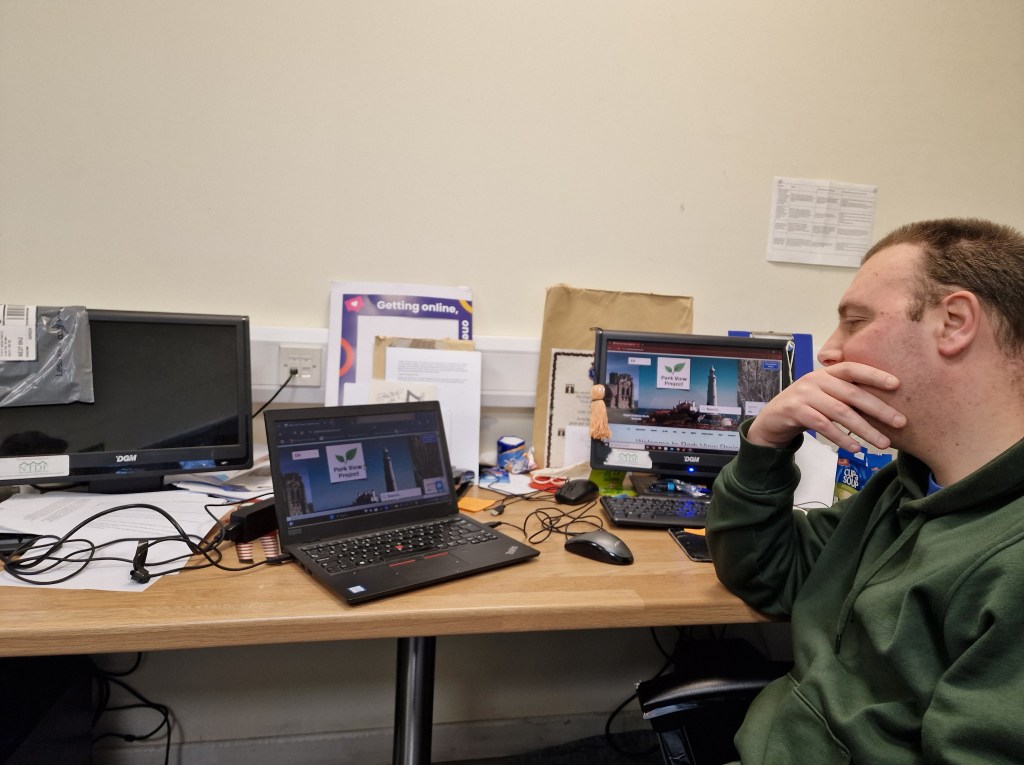
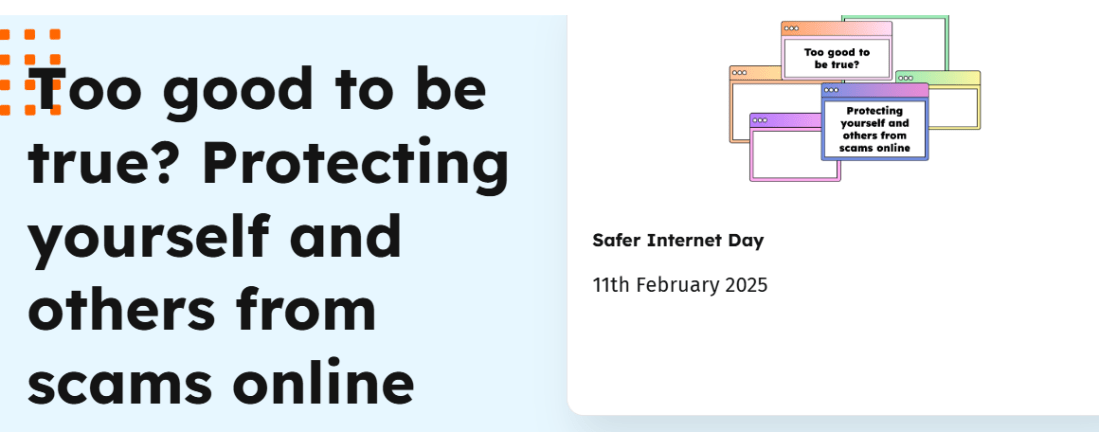
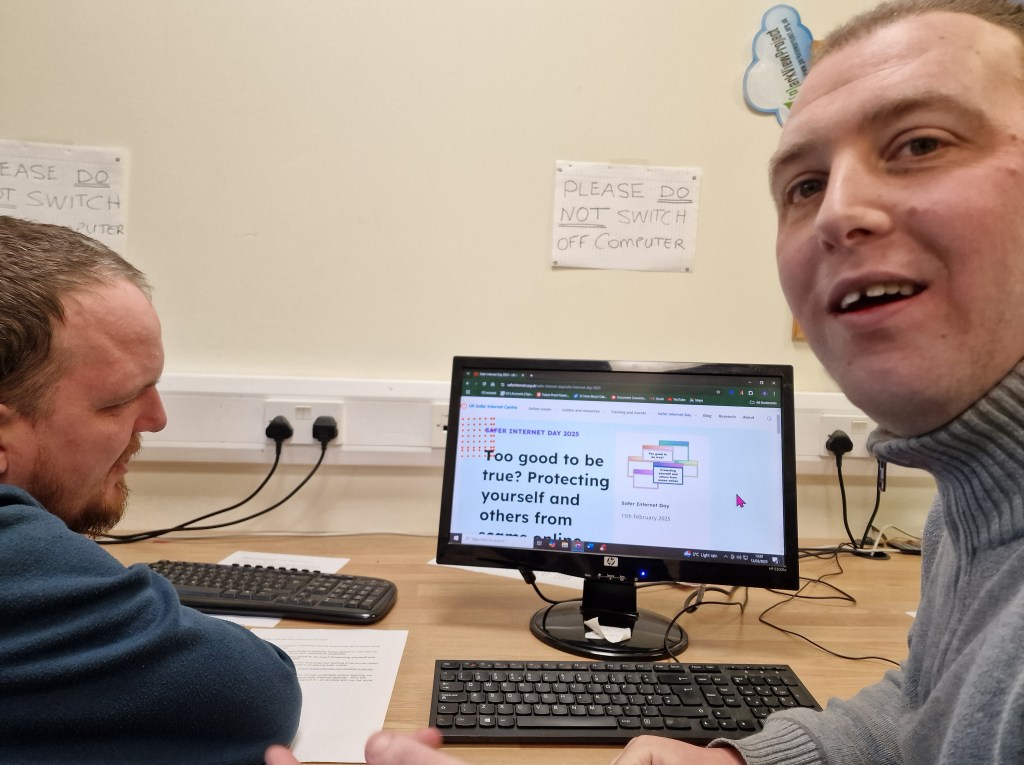
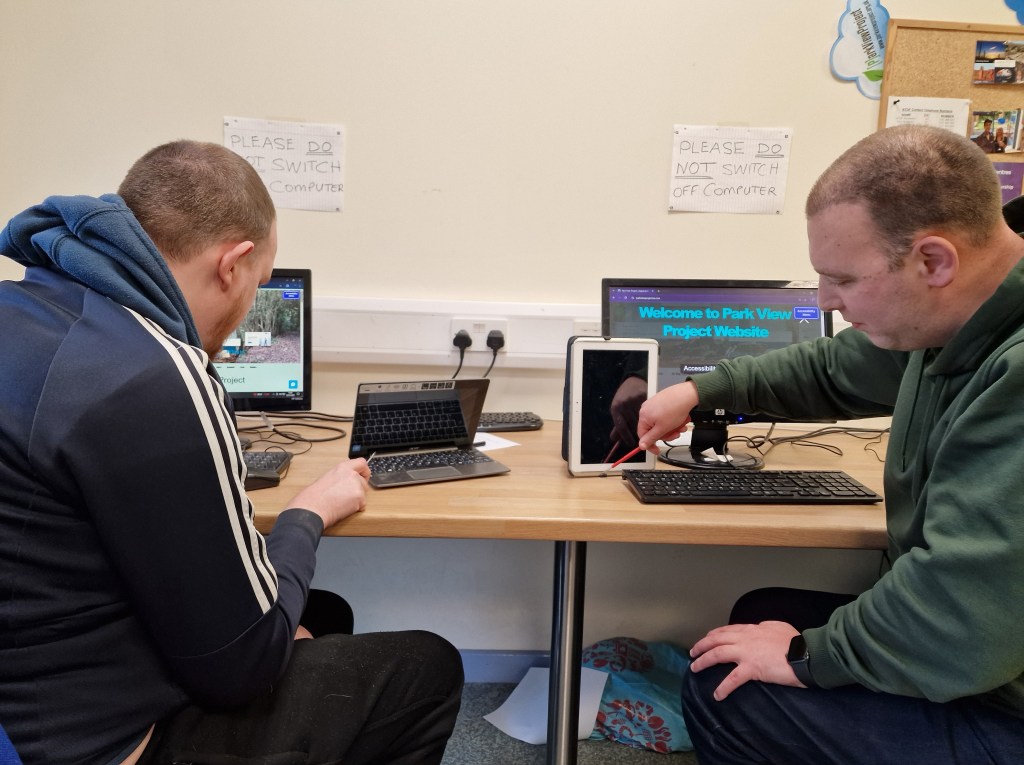
Safer Internet Day February 11th 2025

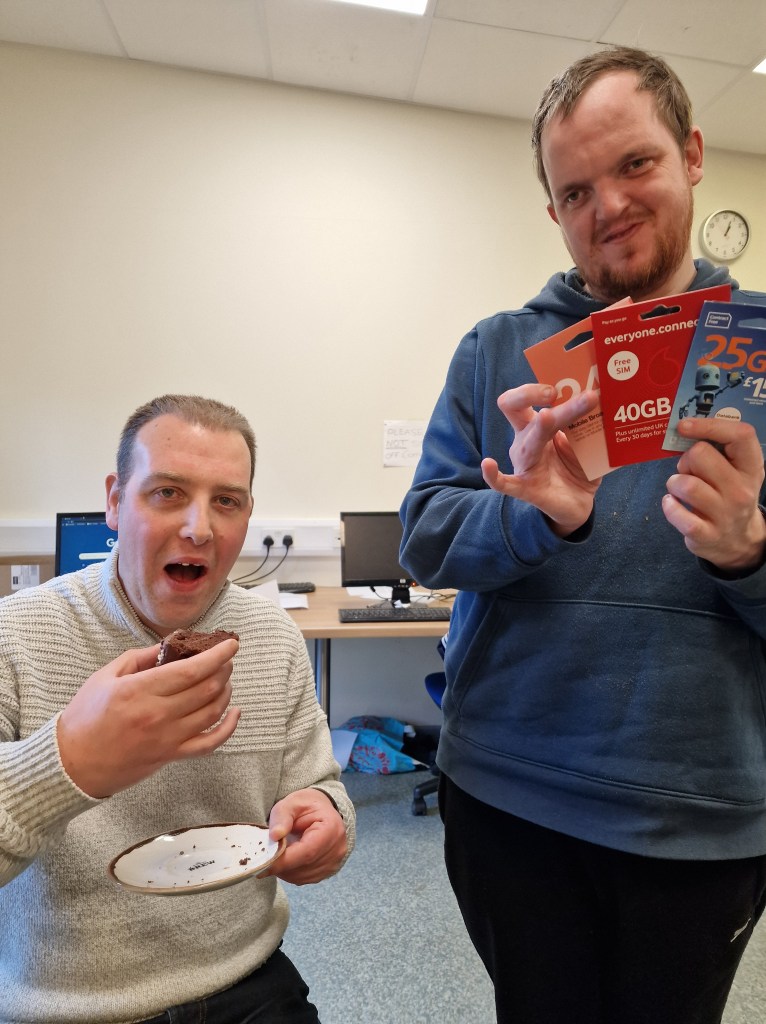
Each year our project celebrates raising awareness about safety while using the internet.

For young people regardless of disability being vigilant is important for all of us, especially those with intellectual disabilities.

This year’s theme is too good to be true? ‘Protecting Yourself and others from scams online’.

For learning purposes, you can downloaded our training programme called Learn My Way and get the basics of staying safe online

All our volunteers on our induction course undertake online learning via our Learn My Way programme, especially security. Why not give it a go, all the courses are designed for all abilities and can be done remotely.

For further information go to https://saferinternet.org.uk/safer-internet-day/safer-internet-day-2025

Digital Inclusion and Disability: Why we need an intersectional approach

Disabled people are 35% less likely to have essential digital skills for life those with lower incomes, older people, and disabled people are all at a higher risk of being digitally excluded. Yes, anyone can be digitally excluded. Digital exclusion is not the result of one one factor but many:

The design of digital services and how accessible they are for people with different disabilities

How disability and digital inclusion intersects, or overlaps, with other social categories. Such as race, sexuality, gender, social class and more.

‘intersectionality explains how different social categories interact with one another. These interactions produce unique positions of discrimination and/or privilege. For example, a person using a wheelchair may be able to use a website that a person with visual impairment cannot. Another example is that black wheelchair user may experience a unique from of discrimination rooted in both ableism and racism, compared to that of a white wheelchair user. Intersectionality tells us that there is not a a hierarchy of discrimination. Instead, it offers a way to understand how different factors of our identity interests to produce unique experiences’.

Empowering Individuals with Disabilities Through AI Technology

The WHO estimates that more than 2.5 billion disabled people will need one or more assistive technologies in 2030. Yet almost a billion of them can’t access these products. Considering how globalisation is increasing. This means we are denying an entire community from enjoying the same services as everyone else.

Park View project have embraced AL at the level of everyday usage incorporating form filling, document creation, accessibility support, communication. This ensures we can respond appropriately to those with physical, and sensory challenges.

We are aware of the dangers of data protection and constantly raise this with the Digital Hub Network to ensure our voice is head. Like everything else, more needs to happen to make sure AI is a force for good.

Join Project Reboot and help redistribute unused digital devices in your local area – Shiremoor, North Tyneside

Reboot is an interactive plaform providing steps which enables schools, Charites and community groups to set up your device distribution programme. Our free guide explains how you can collect, restore and rehome devices to give them and their new owners a brighter future.

Our goal is to equip you with the ability to unearth the thousands of unused devices from cupboards, storerooms and lofts across the uk to help those in need in your local area. Whether you represent a business, community group or school, simply tell us who you are what your budget is and we can show you a cost-effective, practical and environmentally friendly way to set up your own redistribution programme.

Here is a link to a fuller explanation of the Reboot Scheme found on our website under “Documents”: https://www.parkviewprojectne.com/rebbot-scheme

Vimeo video for insights: <a href="http://<iframe title="vimeo-player" src="https://player.vimeo.com/video/502674960?h=4f241a9a60&quot; width="640" height="360" frameborder="0" allowfullscreen>http://<iframe title=”vimeo-player” src=”https://player.vimeo.com/video/502674960?h=4f241a9a60&#8243; width=”640″ height=”360″ frameborder=”0″ allowfullscreen></iframe>

This method of providing laptops and mobile/smartphones is highly economical for tackling digital poverty. However, the Park View Project exclusively supports Android devices, not Apple.

Empowering Individuals with Disabilities Through AI Technology

The WHO estimates that more than 2.5 billion disabled people will need one or more assistive technologies in 2030. Yet almost a billion of them can’t access these products. Considering how globalisation is increasing. This means we are denying an entire community from enjoying the same services as everyone else.

Park View project have embraced AL at the level of everyday usage incorporating form filling, document creation, accessibility support, communication. This ensures we can respond appropriately to those with physical, and sensory challenges.

We are aware of the dangers of data protection and constantly raise this with the Digital Hub Network to ensure our voice is head. Like everything else, more needs to happen to make sure AI is a force for good.

Click image for new window:

Technology Enabled Care and Inclusion

The UK, along with most of the rest of the world, has seen a consistent rise in the proportion of older people within its population in recent years. Ensuring a good quality of life for citizens in old age is a pressing public policy concern. It is also an issue that potentially carries a huge cost to the public sector and, as the longevity of the population increases, is one that is set to exacerbate.

it is anticipated that the use of technology Enabled Care (TEC) with older, homebound and disabled adults could respond to this challenge by leading to a) a greater number of options in how people live, particularly in relation to living independently within their own homes, b) improvements in health, quality of life and digital inclusion c) reductions in the cots of delivering care and d) a reduced burden on families and informal carers.

Your local digital hub plays an essential role in reaching out to those on the digital periphery, helping older and disabled people maximise their use of internet technology. The hub can provide remote support and face-to-face activities to help break digital exclusion at a local level. To continue our support , we are continuously looking for volunteers who are wiling to share their day-to-day digital knowledge and to provide the hand-holding that is often necessary when working with individuals lacking confidence. For more information contact: office@parkviewproject.org.uk you can visit our website under online support to see a range of learning opportunities available.

Why Digital Inaccessibility is everyone’s problem-and how to fix it

When we neglect digital accessibility, we exclude millions from fully participating in society.

its not just a problem for disabled people; it’s a challenege that impacts us all. Global Accessibly day serves as a powerful remainder that creating inclusive digital spaces isn’t just the responsibility of a few-it’s a collective effort that benefits everyone.” (Charity Digital 26th June 2024)

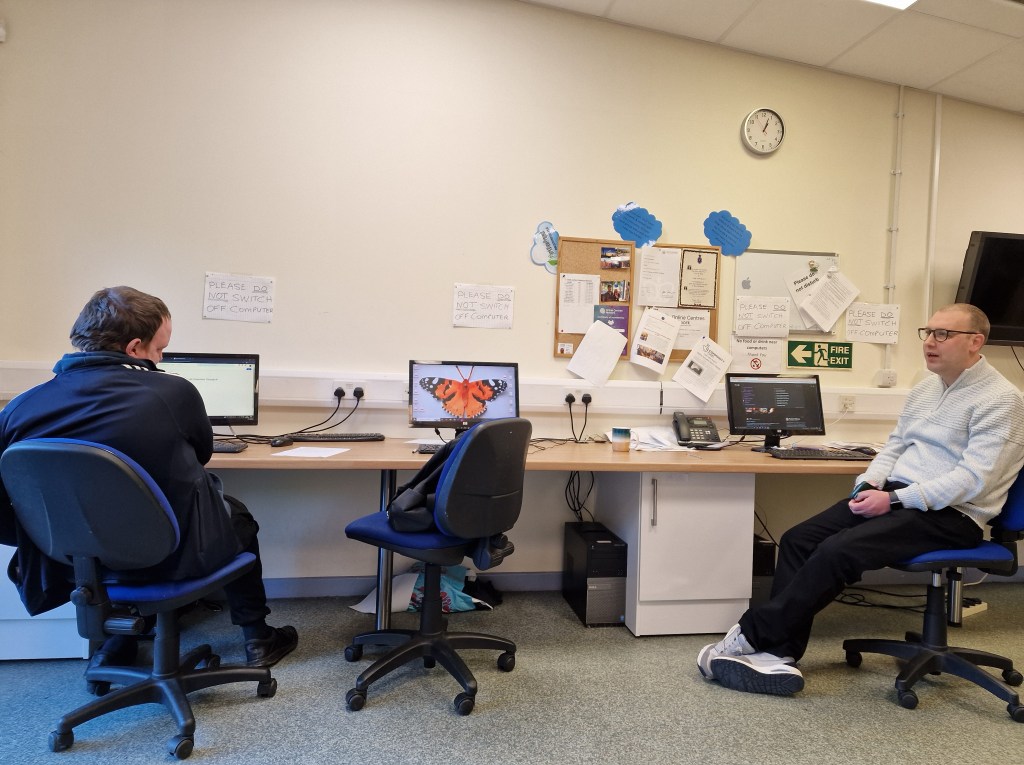
A Digital Space in your local community

Exploring your personal profile can be an enlightening and emotional journey. While online tools can assist, they require internet access. Enter the Park View Project, an accessible digital hub in North Tyneside, which focuses not only on online computer skills, such as using email, job searching, completing online forms, social media, health resources, online safety and security, printing and scanning, accessibility support, online shopping, managing finances, online searching, and discovering various digital products suited to your needs; it also emphasizes building new connections both virtually and in the real world. Face-to-face interaction is a priority at our accessible digital hub.