Regardless of age or disability, internet access is becoming a crucial skill that we must acknowledge. Let’s explore the capabilities of the internet, courtesy of CTN Community Teach Network.
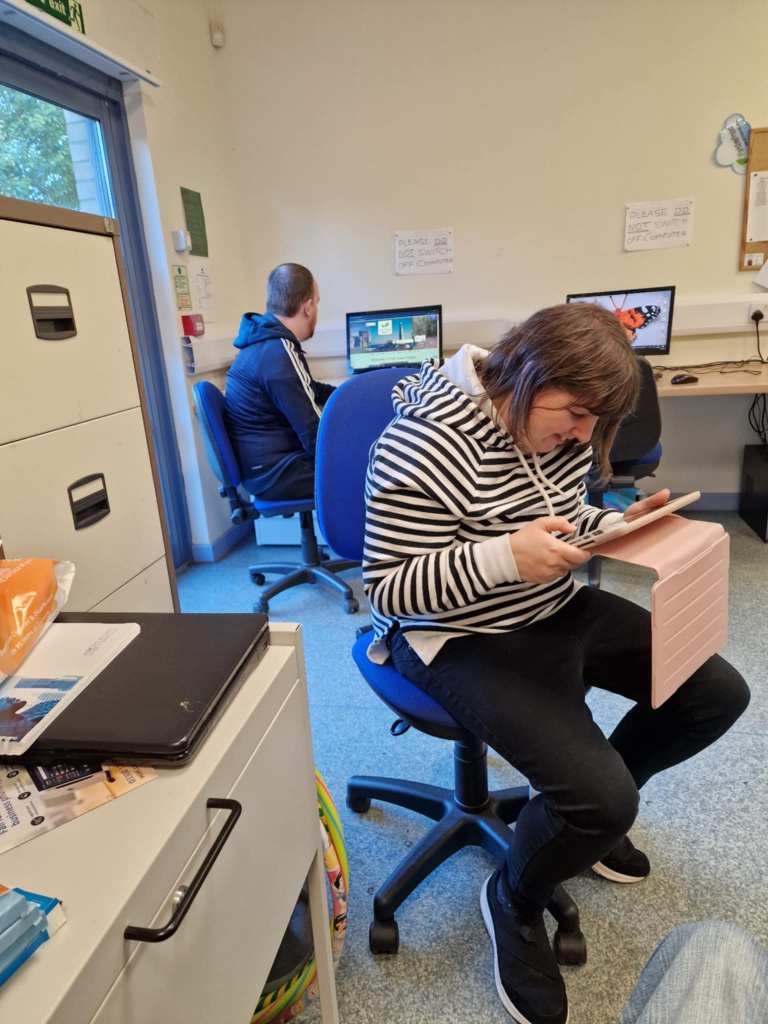
Come and join us at our local drop-in Digital Hub in Shiremoor to participate and discover new methods of accessing the assistance you need.
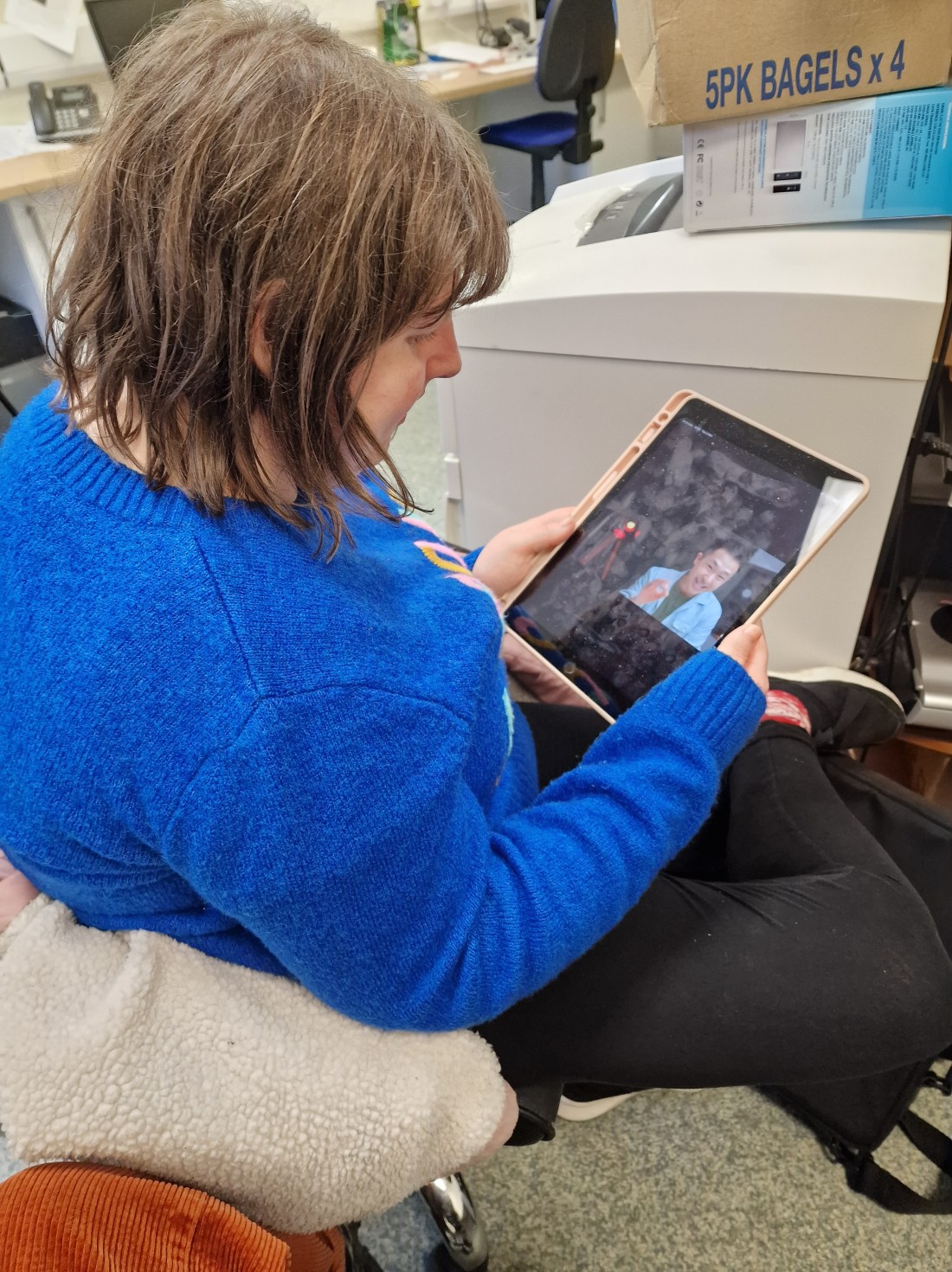
Al is changing the education landscape, offering unprecedented opportunities to improve learning experiences for all children, particularly those with learning disabilities. This is why we at Park View Project have began to invest our learning development using AI.
Through AI, educators can create personalised learning environments, implement early interventions, and offer tailored support to meet the diverse needs of children.
This blog delves into how AI revolutionises educational support systems for children with special educational needs (SEN).
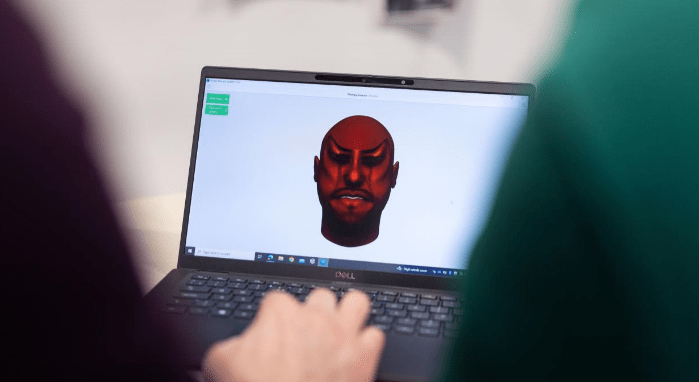
Digital characters – avatars – could help people with psychosis hear voices less often and reduce the distress caused by these voices, new research suggests.
Our mission is to raise awareness and reach out to those in North Tyneside who are not on the Rader of many socially essential services because they are digitally excluded. This applies to all who consider themselves vulnerable, regardless of age or ability, and who are finding they have to confront the challenges of adapting to a digital world or suffer the consequences of becoming digital disenfranchised.
Drop-in service our drop in service is a safe and secure where users can develop both digital skills and increase their social circles of support. Many become volunteers peer supporting others by sharing what they have learnt. Our service operates over two days per week for people to pop in and the days for specific project work. The service is embedded into the local community and is fully accessible to wheelchair users including a cafe for use by visitors that can lead to participation in local community activities such as music making, cinema club and arts and crafts.
North Tyneside’s Young People have their annual fund raiser, which is always good for making connections in the real world. Enabling, Empowering, Engaging and sustaining those on the digital periphery is more effective with face-to- face involvement, especially when it is also fun!
How many times have our volunteer Digital Champions heard this? ‘I wish the dam internet had never been invented
If i had a pound for every time I’d heard those words, I would be living on an exotic island somewhere. But as you can imagine, as look out of my window at another grey February sky, this is not how these things play out. However, when it comes to how young people with additional needs are choosing to communicate with each other and those around the internet (hopefully unlike the grey February sky) is here to stay. so munch so that, globally, we know that one in three internet users, or about 800 million, are children. Within the UK context, Ofcom’s state of nation 2020 report stated, in 2020, nearly all five-to 15-year-olds are online and, of this group, 81% reported experiencing online risks. Available evidence paints a familiar story. Young people with additional needs are more likely to experience online risks and have these risks worsen faster than their peers.’ for example research shows us that autistic children experience significantly more online safety risks and psychological implications of these risk experiences than non-autistic children.
Have you ever been harassed in the street? Received a crass message on a dating app? Had a coworker make a comment about your appearance that just didn’t sit right?
You’re not alone.
With the #MeToo movement, it’s easy to log onto X (formerly Twitter) or Facebook and see just how many women are victims of sexual harassment. Whether in person or online, women everywhere have experienced it in one way or another. And with all the new ways the internet has opened avenues of communication, online harassment is more prevalent than ever.
According to a study by the Pew Research Center, the majority of victims of online harassment say their most recent experience took place on social media. Although men are also subject to online harassment – which includes name calling, derision, and physical threats – the study found that online, women are more than twice as likely as men to experience sexual harassment.