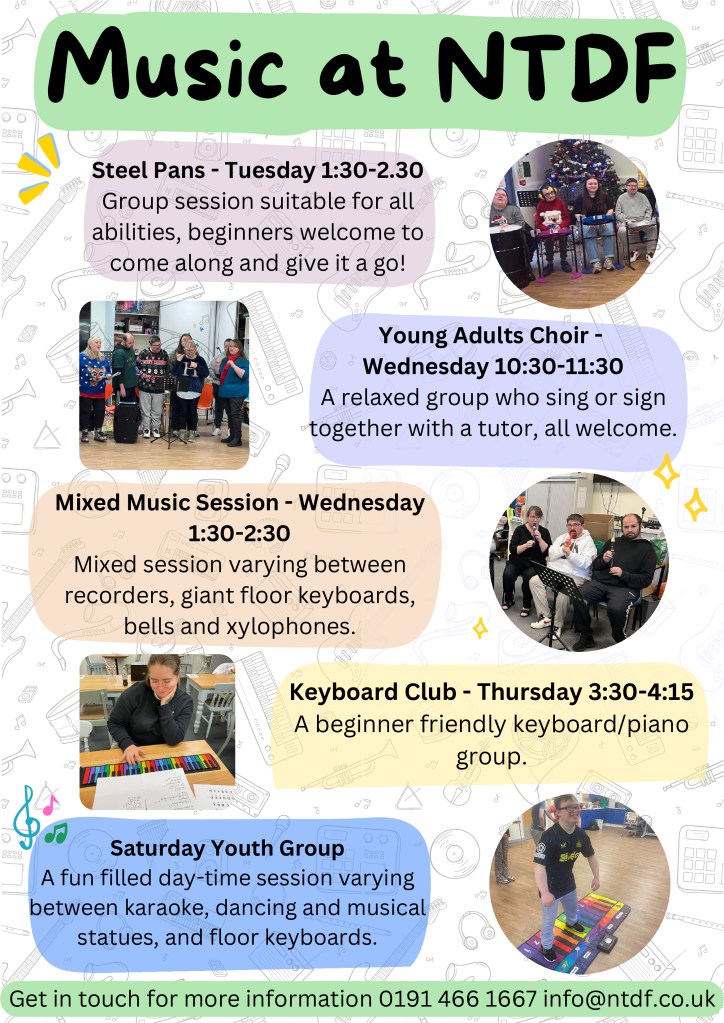
Music at NTDF
Weevles Updates Disabled Bloggers Team
Weevl Bloggers Corner


The Digital Futures for good report explores key themes from our flagship conversation series on digital inclusion. It examines the barriers to getting online, the role of leadership, digital skills, affordable access, inclusive digital services, and community support. Discover insights from experts, policymakers and people with lived experience.
https://www.goodthingsfoundation.org/policy-and-research/research-and-evidence/research

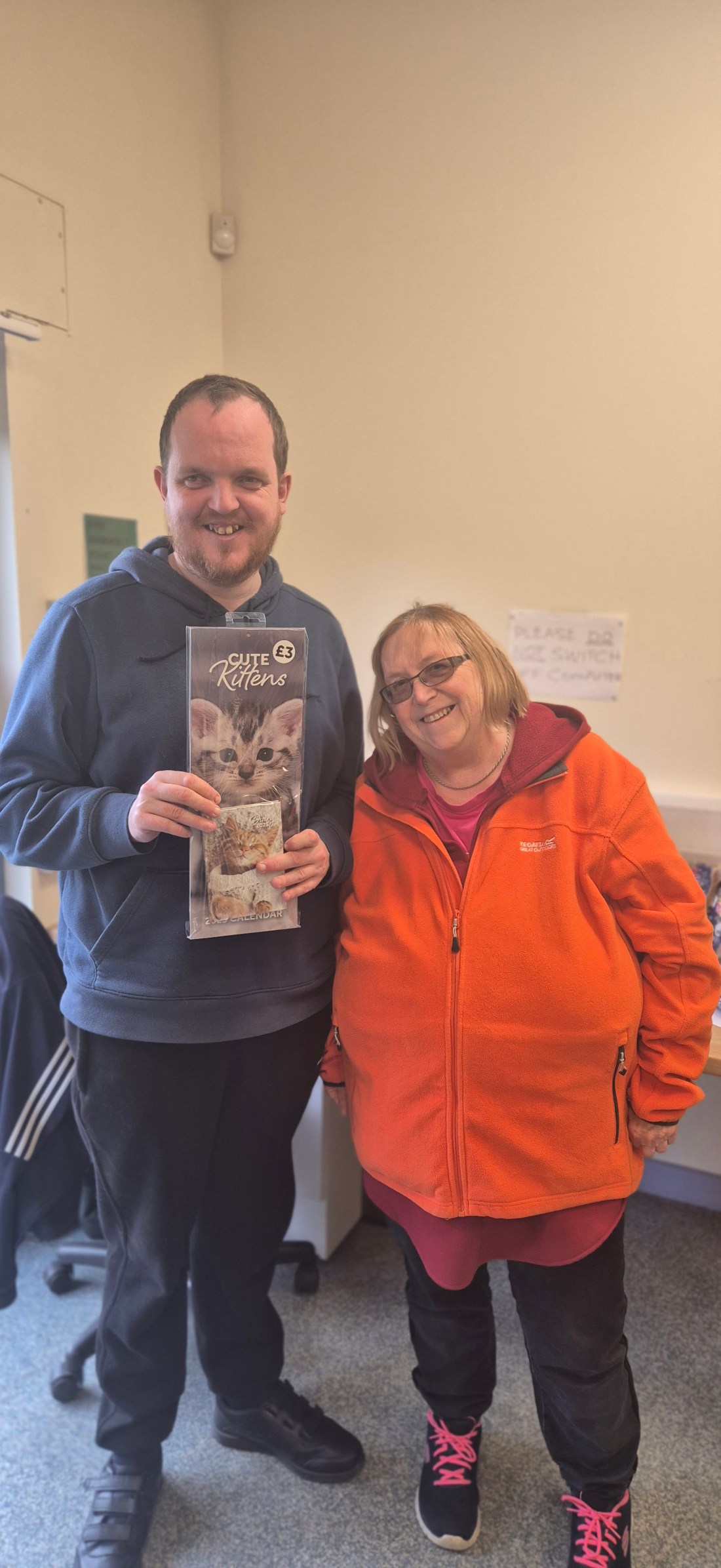
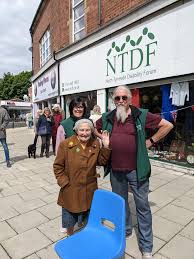
This is a picture of Marion Nunn present my birthday present to me

Assistive technology plays a crucial role in supporting individuals with different disabilities and chronic conditions. Our goal is to create a tech library with sponsorship from tech companies. Although some products have short-term loan periods, which isn’t always ideal, we are grateful to these companies for their commitment to resolving technical and software issues as they occur. To learn how we can improve accessibility for you, please join one of our drop-in sessions. Our volunteer Digital Champions are ready to assist you in finding what would be advantageous for you. Here is the link to website https://veroniiiica.com/a-to-z-of-assistive-technology-for-reading/


Following our research in conjunction with NHS England on digital transformation, there are further government plans to upskill social care staff to support beneficiaries to access social online.
The aims are:
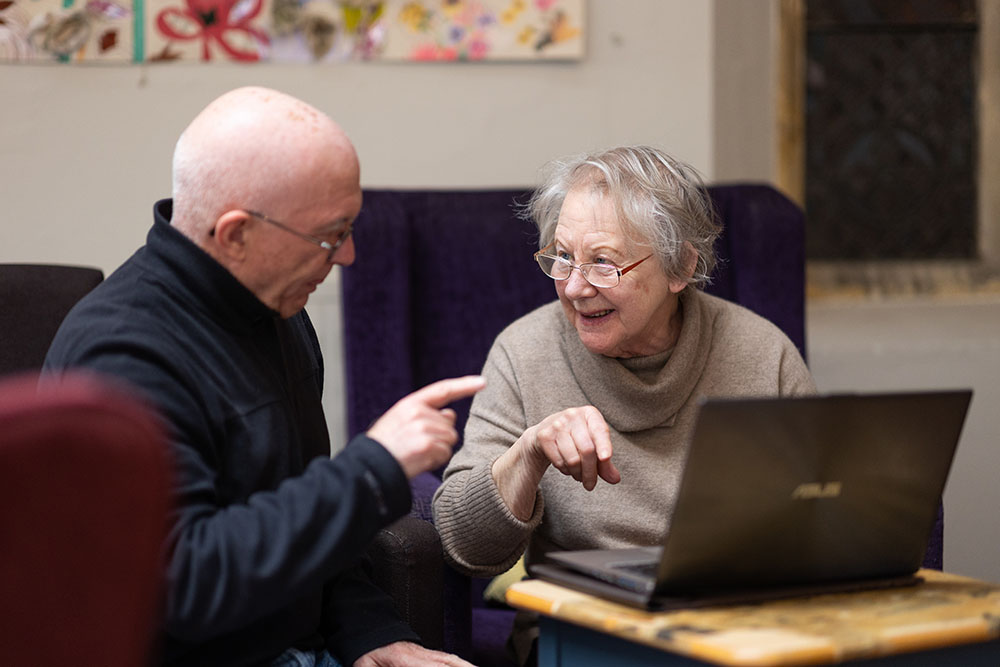

In the uk, accessible digital hubs” generally refer to community-based centres, often part of the National Digital Inclusion network, that provide access to the internet, devices, and digital skills training to individuals who might otherwise be digitally excluded, particularly those with disabilities; recent updates show a continuous focus on expanding these hubs to reach more people ensure they meet accessibility standards, with methods to implement user-centred design and collaborate with disability organisations to identify and address specific needs.
Key points about accessible digital hubs in the UK:
Focus on digital inclusion
These hubs aim to bridge the digital divide by providing access to technology and training for people who lack basic digital skills, including those with disabilities
National Digital inclusion Network:
A network of organisations across the Uk that operate digital inclusion hubs, working to reach individuals in their communities
Accessibility standards:
Public sector bodies in the UK are required to follow accessibility guidelines, including WCAG2.2 AA, to ensure their digital services are accessible to people with disabilities.
User-centred design:
Emphasis on involving people with disabilities in the design and development of digital services to ensure accessibility.
Collaboration with disability organisation’s:
Partnership with organisations like Scope and Sense are are crucial to understand the needs of people with disabilities and develop effective solutions.
Increased focus on digital literacy training:
Digital hubs are offering more tailored digital skills training programs to address specific needs of people with disabilities
Accessibility audits and reviews:
Organisational are conducting accessibility audits of their services to identify and rectify barriers faced by people with disabilities.
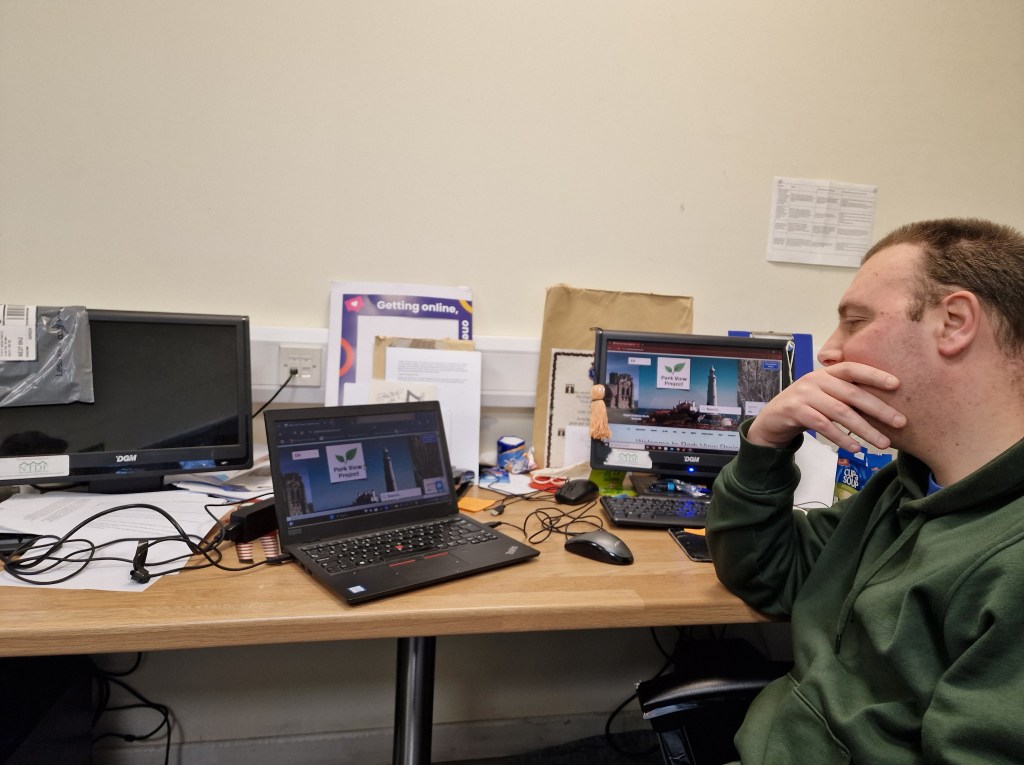
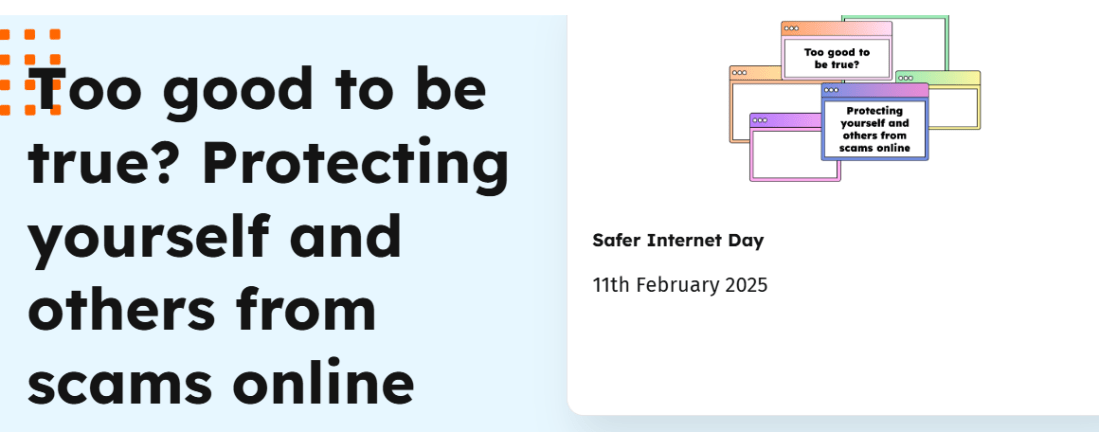
Each year our project celebrates raising awareness about safety while using the internet.
For young people regardless of disability being vigilant is important for all of us, especially those with intellectual disabilities.
This year’s theme is too good to be true? ‘Protecting Yourself and others from scams online’.
For learning purposes, you can downloaded our training programme called Learn My Way and get the basics of staying safe online
All our volunteers on our induction course undertake online learning via our Learn My Way programme, especially security. Why not give it a go, all the courses are designed for all abilities and can be done remotely.
For further information go to https://saferinternet.org.uk/safer-internet-day/safer-internet-day-2025
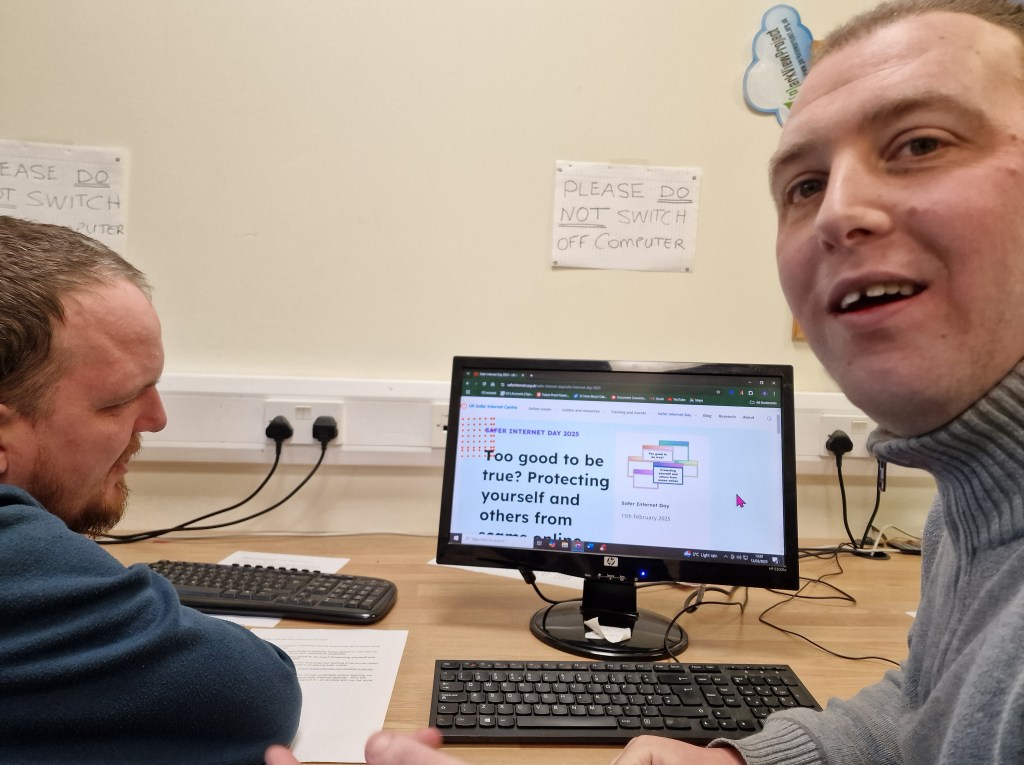

Happy Birthday to me I am now 32 and life feels just as good as when I was in my teens.

 Weevles Updates Disabled Bloggers Team