Look forward to evening of entertainment
Weevles Updates Disabled Bloggers Team
Weevl Bloggers Corner

Look forward to evening of entertainment
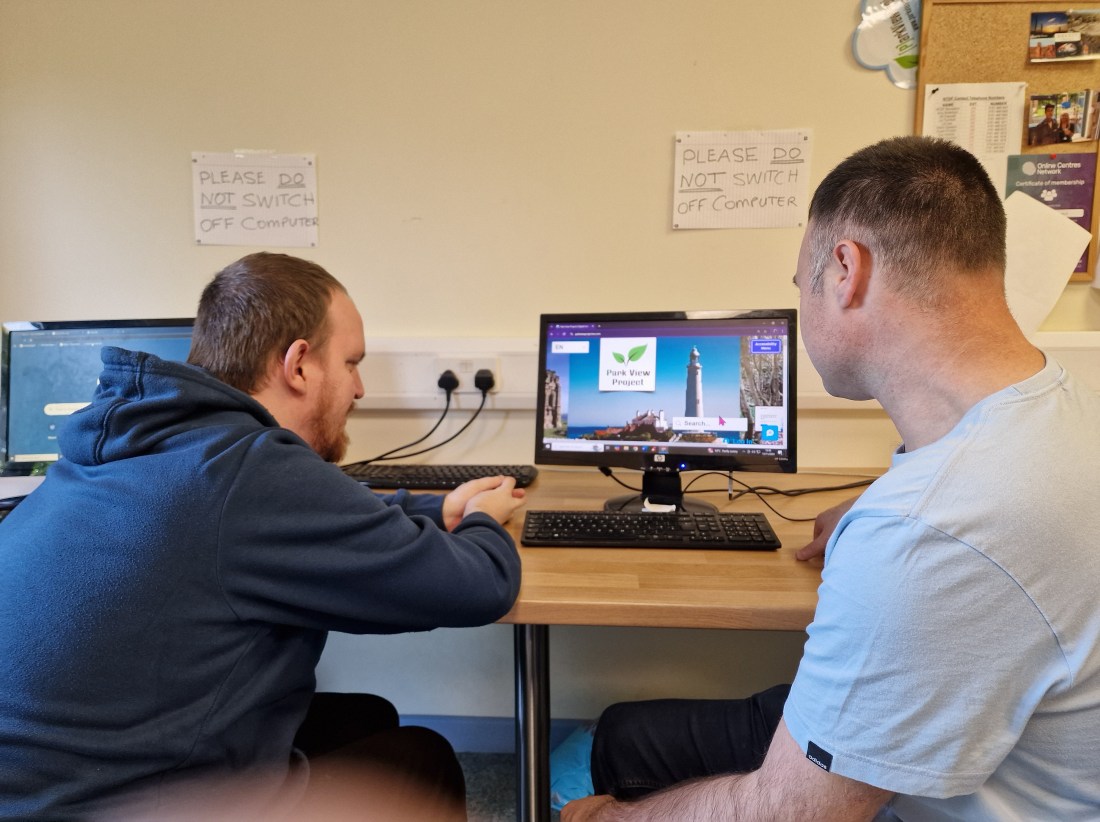
In 2004, get online week, the annual campaign run by good things foundation, reached 25.000 digitally excluded people, helping them understand and experience how getting online can help them become happier, healthier, and better off. Taking place from Monday 20th October to 26th October 2025, the week will consist of free local events hosted by community organisations up and down the UK.
we are always on the hunt for for volunteers to help either remotely or on face-to-face during this event. To find out move visit our website volunteer registration at:
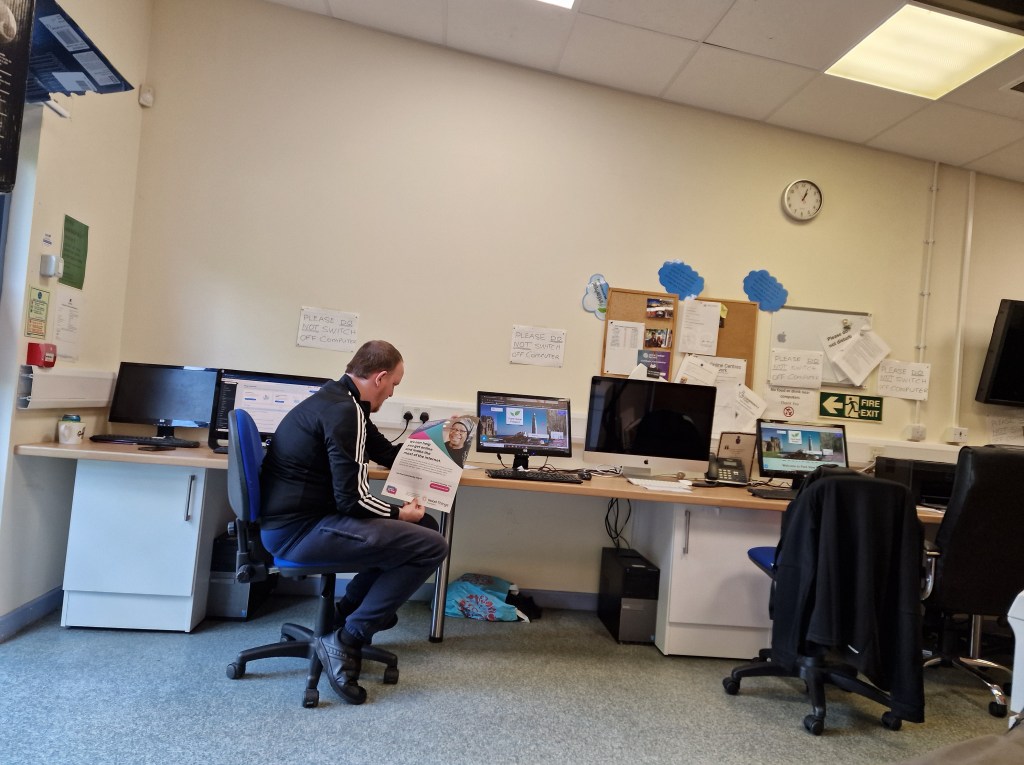
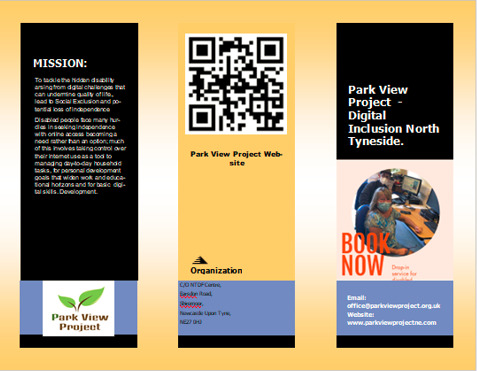
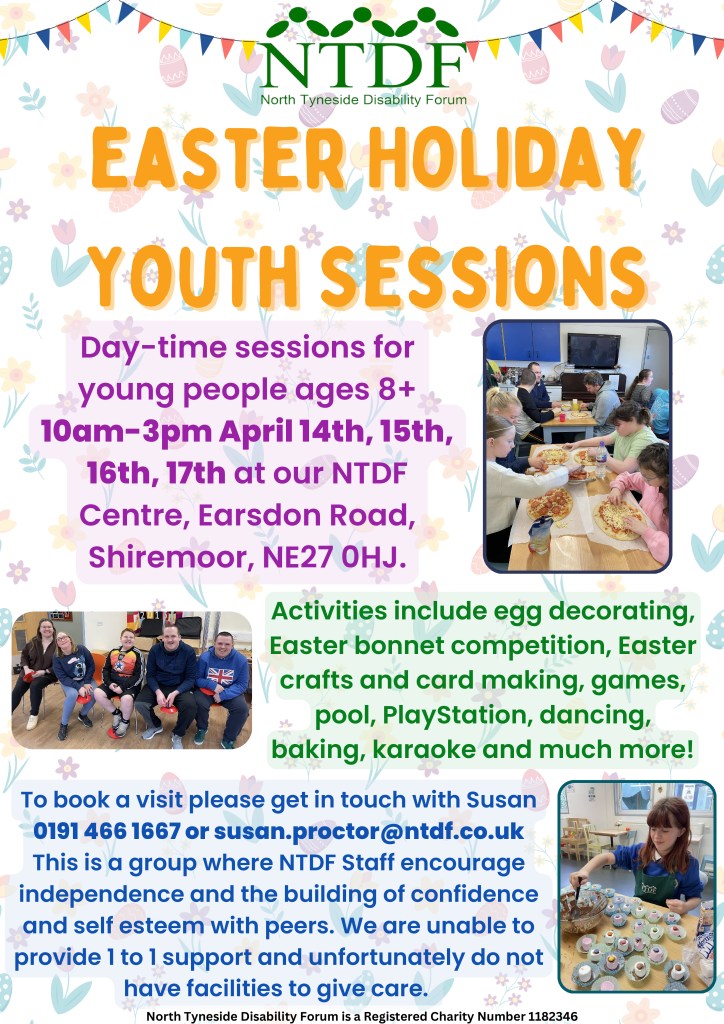
Draft stages of production. New project publicity what do you think?

Sunday 22nd June 6pm
A family show full of music, song, dance, rhyme, and lots of fun! Presented, written and performed by a star studded NTDF cast.
Tickets £7
0191 466 1667
info@ntdf.co.uk

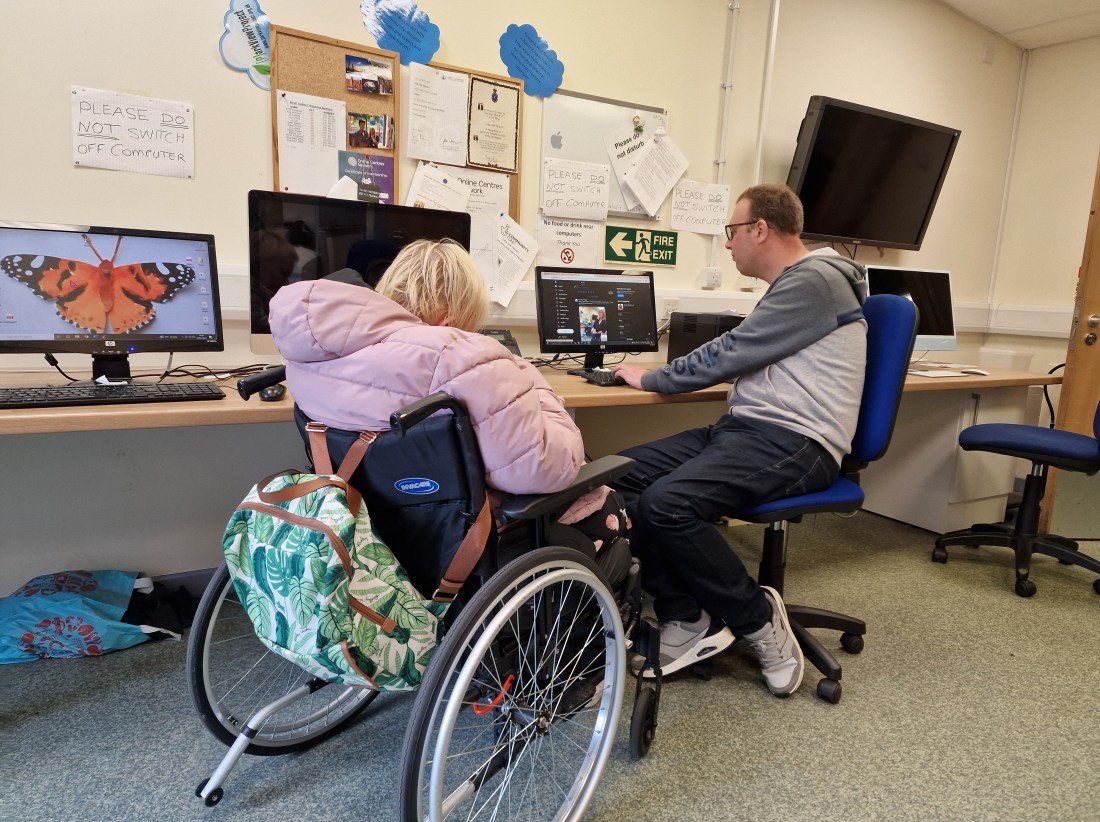
free broadband: internet access is now a human right, no matter who pays the bills
Dr marten reglitz writhing for the conversation.
12 January 2022
Although this was dated 2022, the government strongly supported bringing Wi-Fi access to all households across the UK. Has this dropped off the radar, i wonder!!

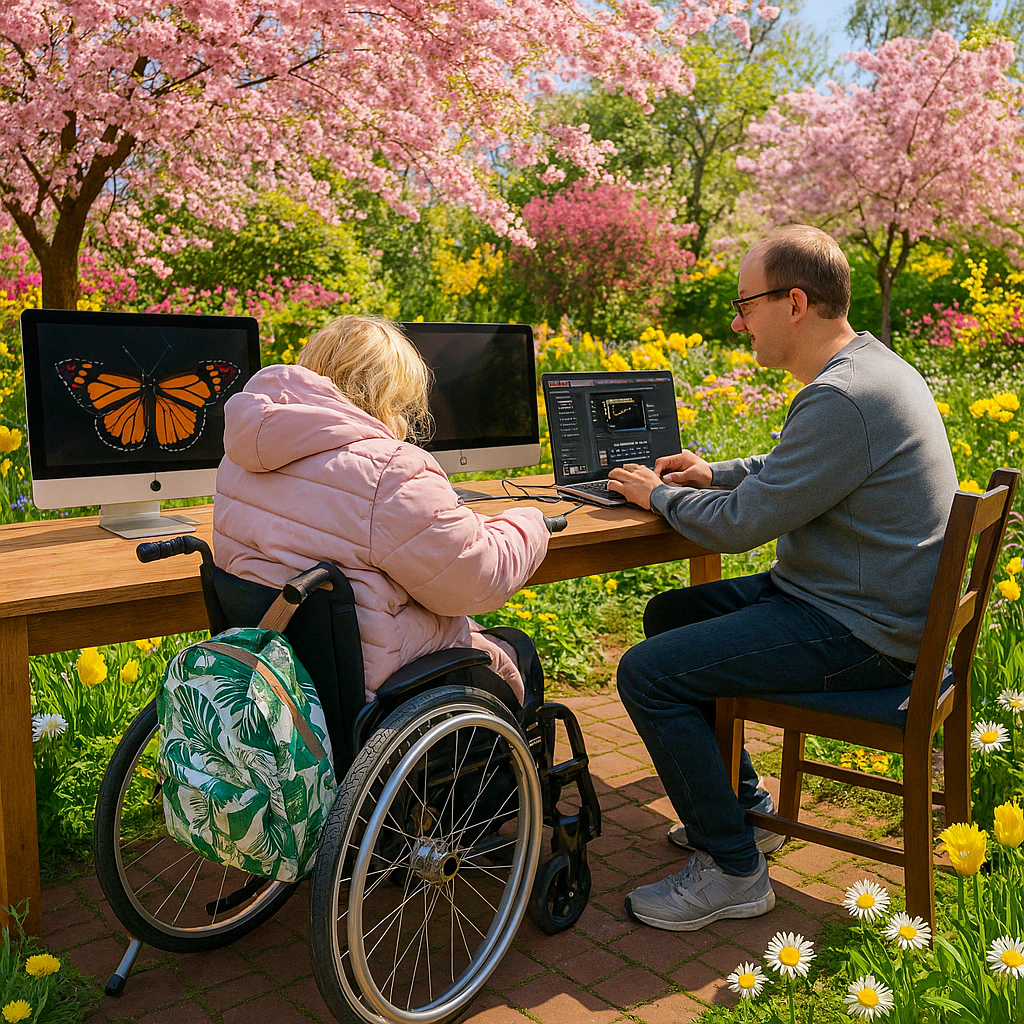
I created this as an initial attempt to test ChatGPT. What do you think?
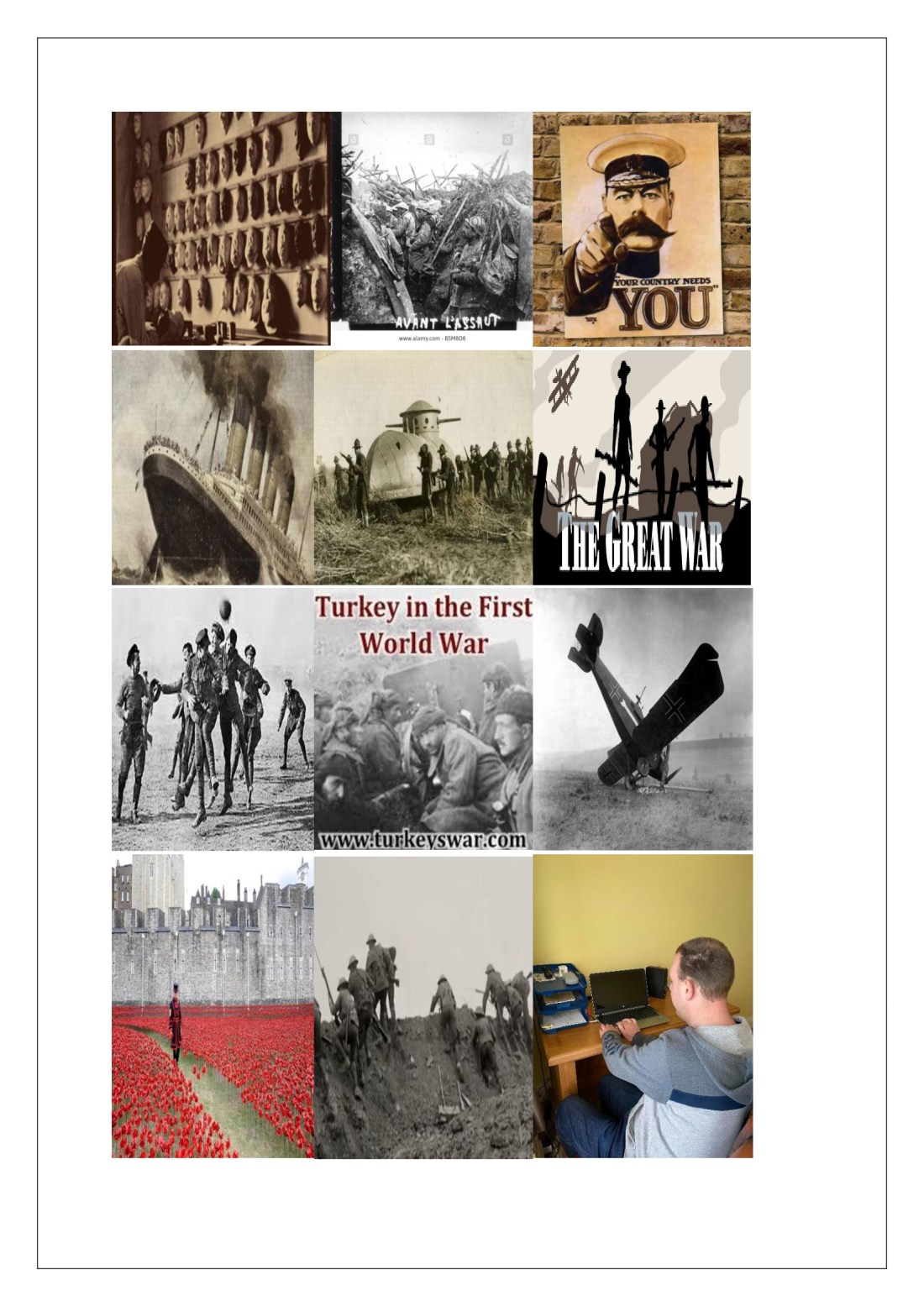
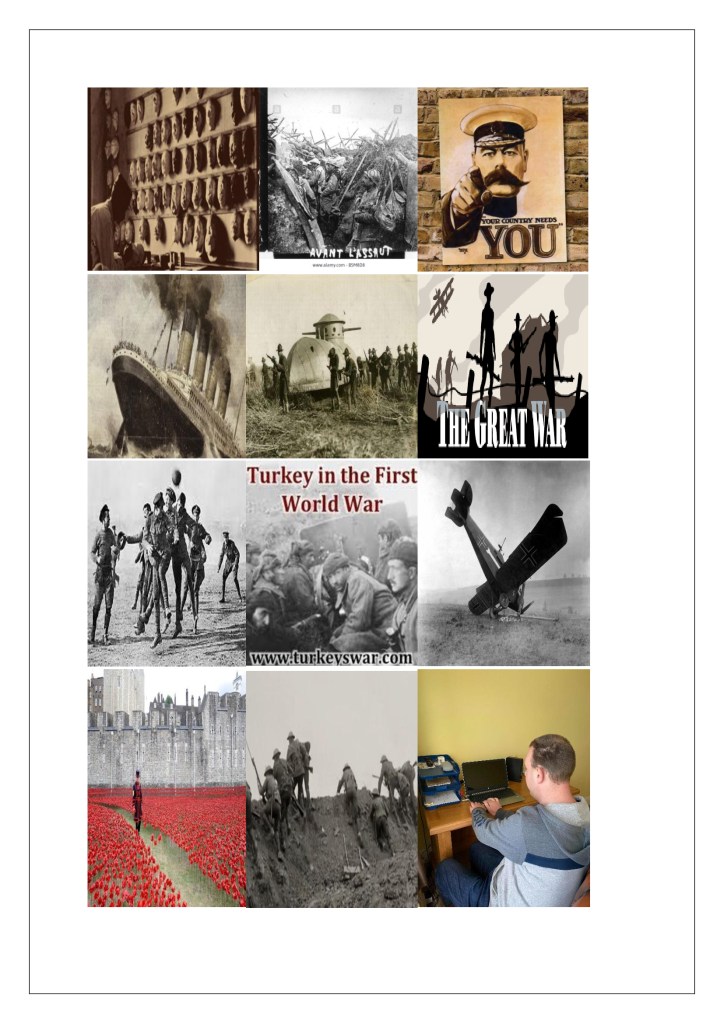
Mart, our volunteer Digital Champion, is showcasing some of his past digital heritage projects on WW1. This has been a significant learning experience, enhancing both eye-hand coordination and basic digital design skills.
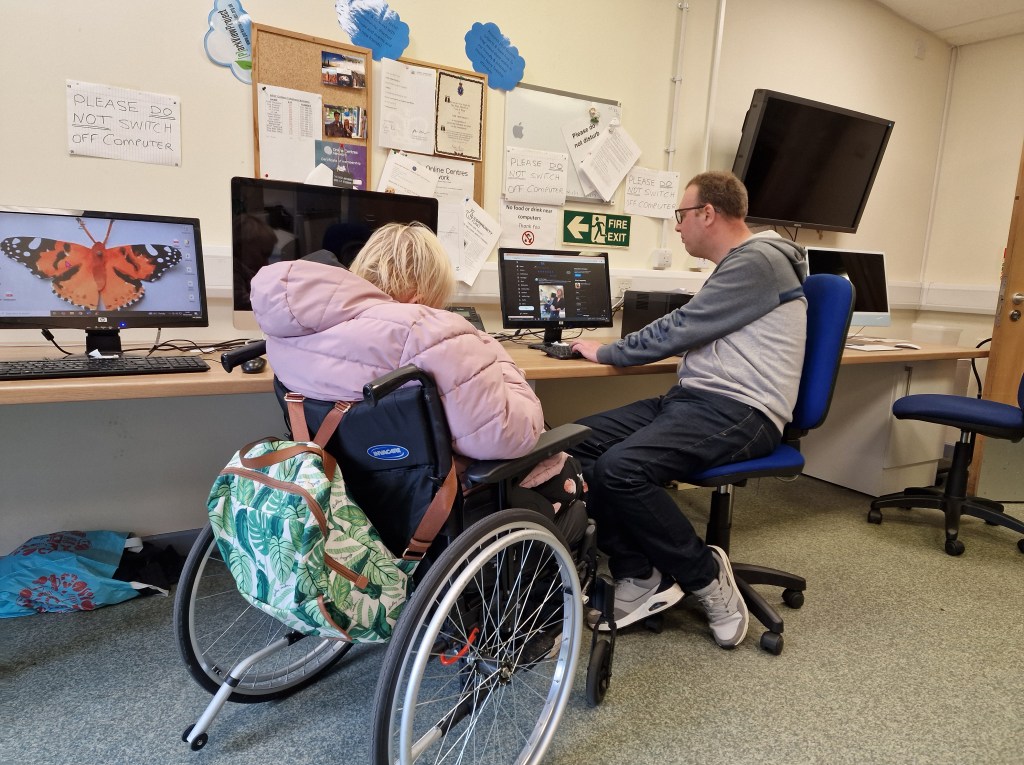
For over a decade, Good Things Foundation has been helping individuals develop their skills and confidence to access the internet, aligning with our mission to ‘permanently close the digital divide’. Through the National Digital Inclusion Network, which consists of more than 7,000 community organizations, we offer free mobile data (via the national Databank) and provide digital skills training and support through our online platform, Learn My Way. Additionally, we enhance the capabilities of community organizations within the network to engage stakeholders and bolster the broader infrastructure for digital inclusion through various projects, programs, and advocacy efforts.
A key aspect of our work involves recognizing the impact that digital inclusion support has on people’s lives and using this knowledge to enhance our delivery methods. We have also expanded our expertise in evaluating the impact of our initiatives and are dedicated to sharing our insights to assist others in effectively measuring the impact of digital inclusion support. Here, we outline our model for measuring impact, including.
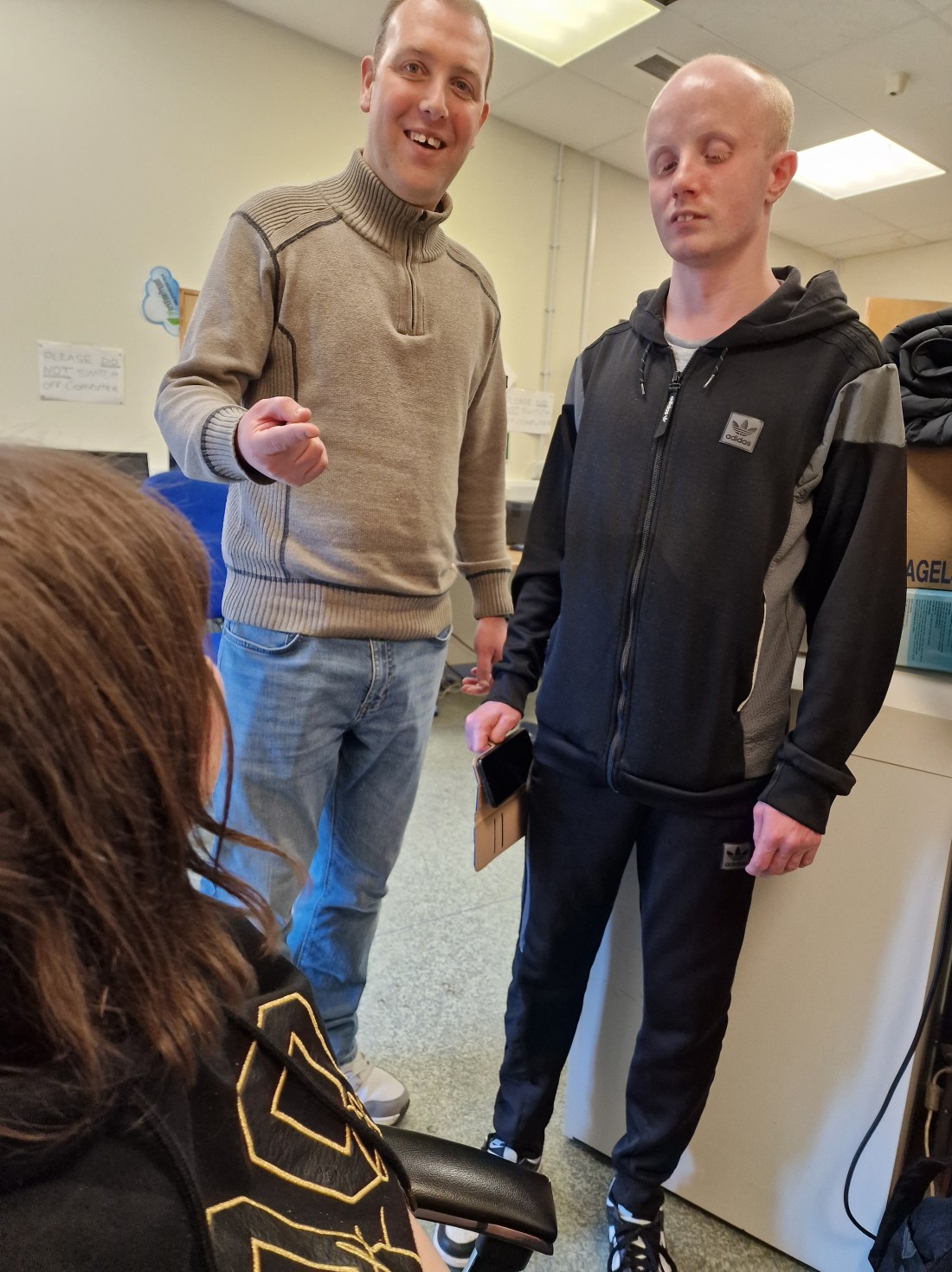
If I earned a pound every time I heard those words, I’d be living on an exotic island. However, as I gaze out my window at another grey February sky, that’s not the reality. Yet, when it comes to how young people with additional needs are choosing to communicate with each other and those around them, the internet (hopefully unlike the grey February sky) is here to stay. So much so that, globally, one in three internet users, or about 800 million, are children. In the UK, Ofcom’s State of the Nation 2020 report indicated that, in 2020, young people faced online risks. The available evidence tells a familiar story. Young people with additional needs are more likely to encounter online risks, and these risks can escalate more quickly than for their peers. For instance, research shows that autistic children face significantly more online safety risks and psychological implications than non-autistic children.

 Weevles Updates Disabled Bloggers Team