This is my video of the metro service in tyne and wear this is one of the remaining of the one of the old metro that are still running on the system i board the metro at pelaw this is one of the station on the system of tyne and wear
Author: homealonesimon
Interested in Transport and Currency (UK)
Frustrated passport application

Passport processing difficulties
“I recently applied for a passport online. At first, I faced several barriers, including difficulties with the online system and challenges uploading the required documents. I worked through these issues by reviewing the guidance provided, correcting the problems, and resubmitting the information. Despite the initial obstacles, I successfully completed my passport application online.”

Medway Valley Line from Firefly Simulations
Medway Valley Line from Firefly Simulations
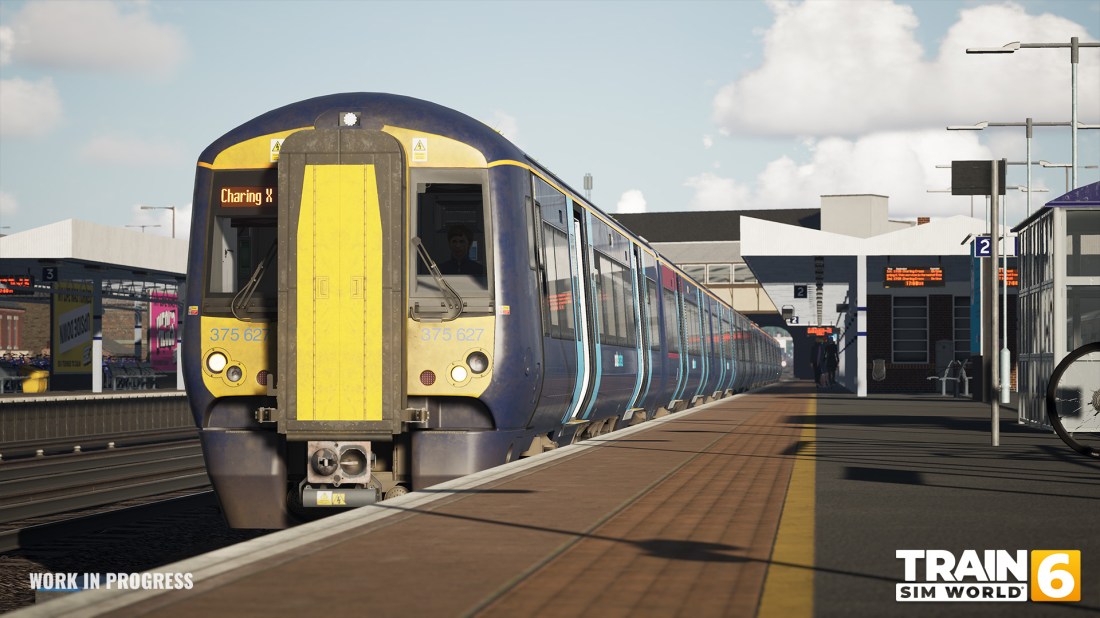
DTG James adorns his unofficial Firefly Simulations hat to bring you the team’s latest progress on the Medway Valley Line, coming soon to Train Sim World 6!
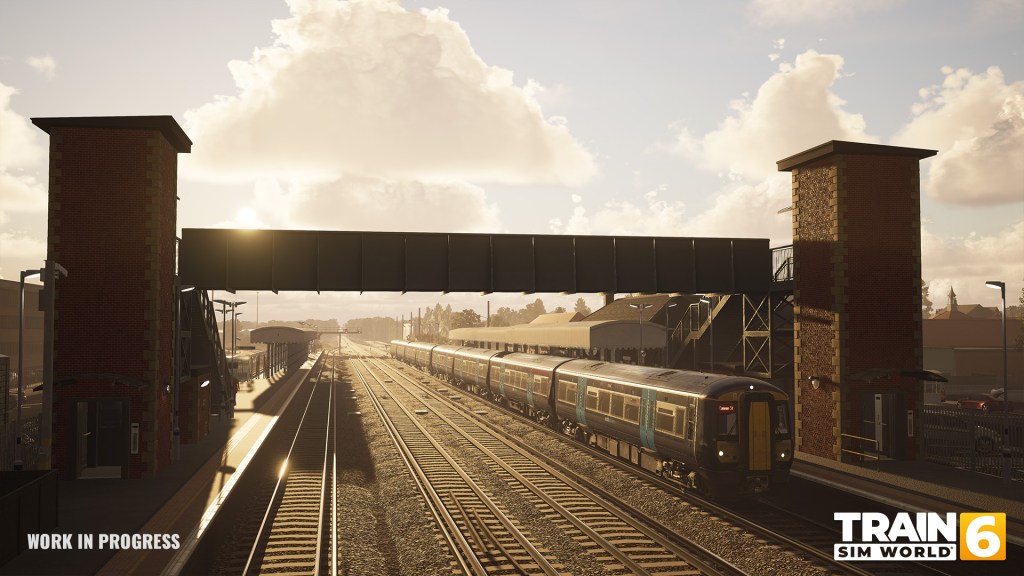
James: “Since the initial announcement in Season of Reveals, work has been apace with some of the remaining stations going in, particularly Paddock Wood and Tonbridge. As the largest stations on the route, these can often provide the greatest challenge in capturing the correct dimensions and layout and achieving the right level of detail – I’m pleased to say that both are looking stunning so far! One can already picture all the virtual trainspotting opportunities Tonbridge will provide.”
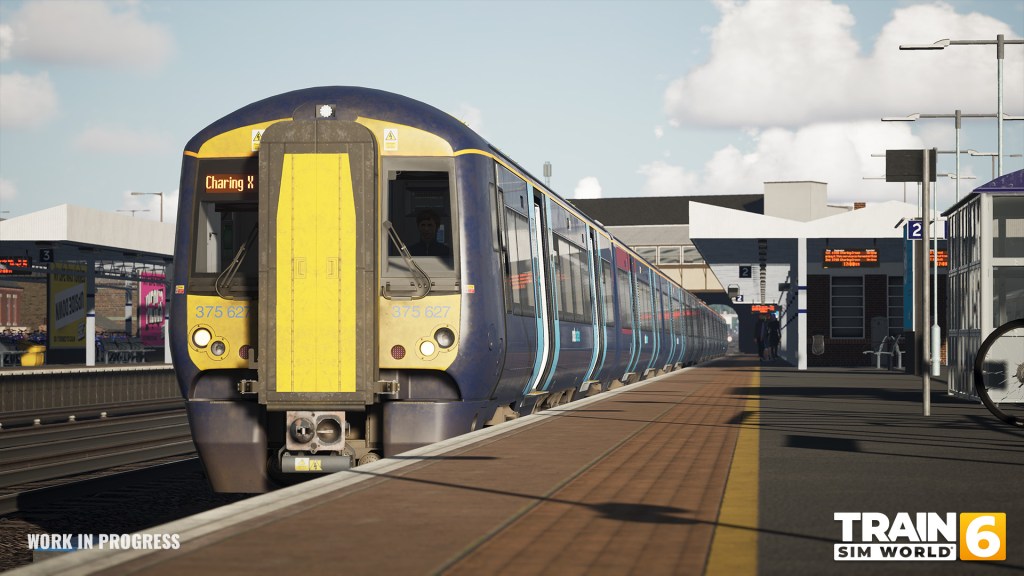
“With the bulk of the work on the Medway Valley itself wrapping up, attention has been turned to updating the existing North Kent & Chatham Main Line areas to a higher standard. This includes tons more detail on roads, a wider range of more accurate buildings and clutter being placed, all new foliage and more. Please note these updated sections are for MVL only, SEHS itself remains unchanged, but it’s still a remarkable improvement!”
Another key area of focus across the route has been the night lighting, ensuring driving after hours is just as, if not more enticing as enjoying the scenery during the day! Here’s other James/aka ‘JetWash’ takes you through some of the details, and there’s even a preview compilation of some nighttime scenes:
JetWash: “When we set out to do the night lighting scene I had a good think about what it was that we wanted to achieve. I looked at other sim games, at how they did night lighting and then at whether it was feasible to use those techniques within UE4. Ultimately, it was to make it so that players would be just as happy to drive the route at night (maybe even actively look forward to it) as they were during the day. The dark, and particularly the transition from dawn to dusk, is capable of giving the player some of the most spectacular lighting effects in the game when combined with the right weather settings. Further developing some of the techniques I have used previously I’ve really been able to dial down on where and when to put light sources both ‘real’ and for effect, making the route feel alive and lived in. Having access to the full range of TSW Unreal tools has also given me the opportunity to learn new techniques and apply them to Medway Valley.”
“One of the things I really wanted to add was distant lights at ground level. Drive down any dark road at night and in the distance you will see lights from houses, industry, commercial areas, roads etc. The reality, however, is that we can’t just throw hundreds of lights all over the map as there has to be a balance between performance and visual fidelity. I’ve co-opted a technique for distant lighting, where we have detailed lights immediately where the player is, a mixture of detailed and ‘fake’ distant lights in the medium distance then in the far distance entirely ‘fake’ emissive sources.”
“In addition to this I can use the same technique for boat lights, structure lighting, carparks and so on. Completing the night-time scene we have various other inexpensive light sources (traffic lights for example) that all contribute to you not driving a train down a dark track, only seeing lights when you come to a station. In addition, we have applied our own lighting setup to the route which also carries over into night time, where I’ve tuned the darkness of the sky, the brightness of the stars, the moon, clouds etc so it all sits together harmoniously and looks as realistic as I believe it is possible to get in a dynamic UE4 game like Train Sim World.”
“Finally, one other area I wanted to mention is that we have put a lot of effort into adjusting the day/night cycle as best we can and have really refined the sunrise and sunset times so the environmental lighting doesn’t just switch off at an arbitrary time, whether it remains dark or not. We’ve tested the route an awful lot and I think, within the scope of Medway Valley, we have achieved our aim. It goes without saying though, it’s only the tip of the iceberg of where we want to go next.”
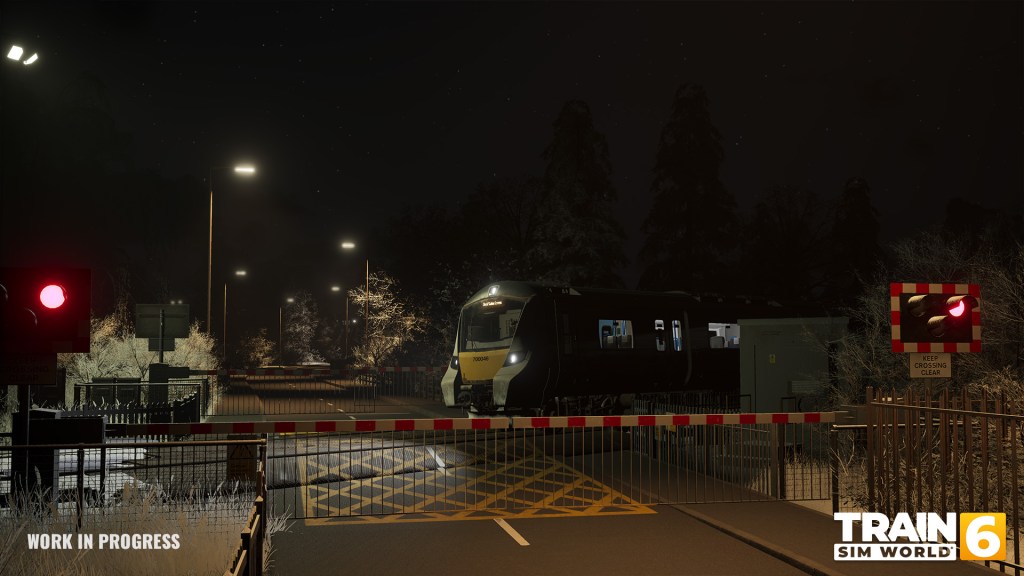
DTG James: “The detail on the route at night is going to be incredible to explore – hopefully you watched the video with audio on as well to get a sneak peek at the new sounds, platform announcements, and even the first snippet of GSM-R audio! You may have also noticed that the Class 375/3 is in the route too now with its distinct 3-car formation, we will have more information on the Class 375s in next month’s roadmap.”
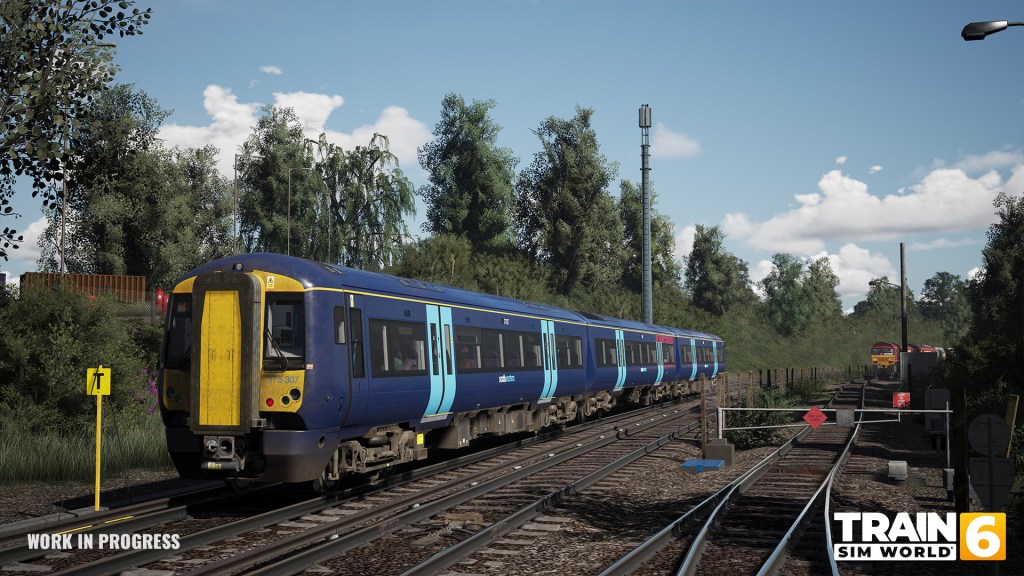
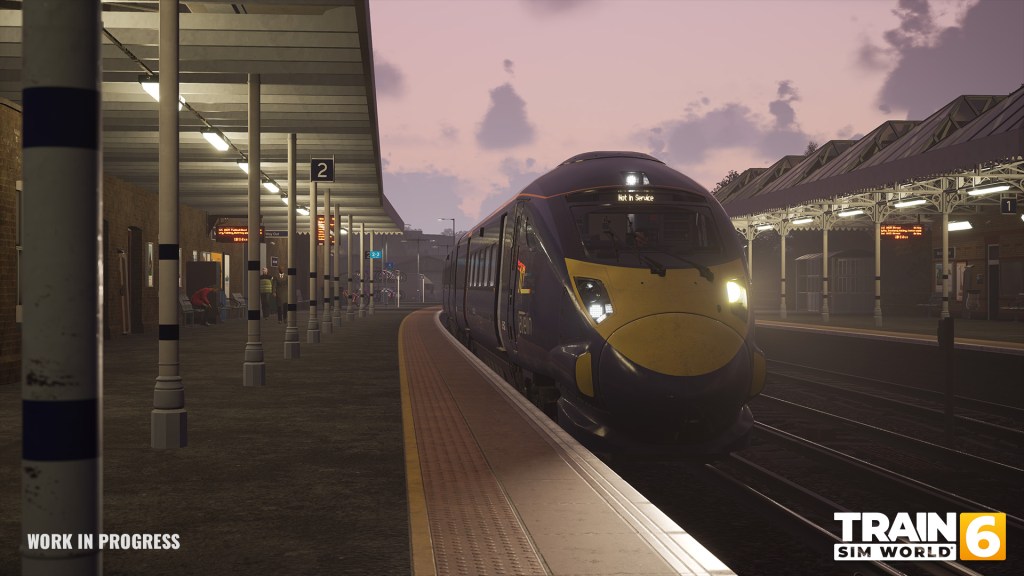
Lastly for this update, the gameplay is also shaping up nicely – the timetable features most Southeastern services at this point, including the Class 395 peak time services to Maidstone West, and some freight action courtesy of Skyhook Games’ Cargo Line Vol. 2. In a nice use of free will, a bonus layer has also been implemented for the Class 700 which depicts a what-if nighttime test run along the full length of the valley and back. This lets you give the 700 an extra stretch of its legs, but the panoramic window is also the perfect way to enjoy that stunning night lighting!
So many details shared and still only scratching the surface; you best be expecting some hefty deep dives from me in the future…
Thanks James, and James! We’re excited to show you more on the Medway Valley Line from Firefly Simulations in the coming months!
IT’S may Birthday on Friday13th of February

It My birthday on Friday the 13th of February

Great Western Express Remastered – Releasing This Friday!
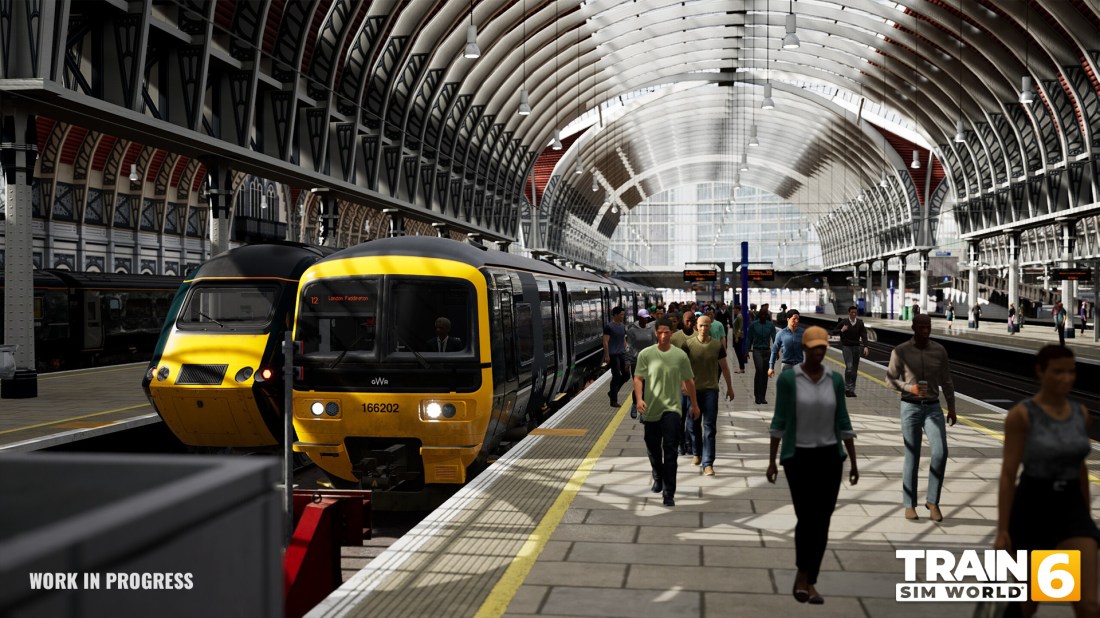
Here we go – the date is booked, it’s almost time to get your hands on the Great Western Express Remaster, arriving just in time for Festival of Rail, and on all platforms this Friday 6th February, with an update at 10:00am UTC.
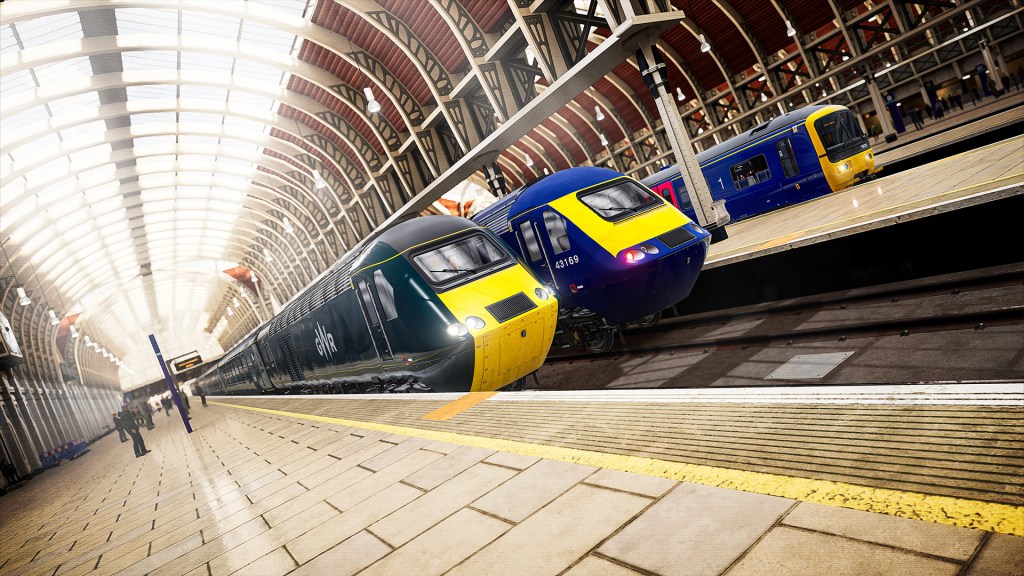
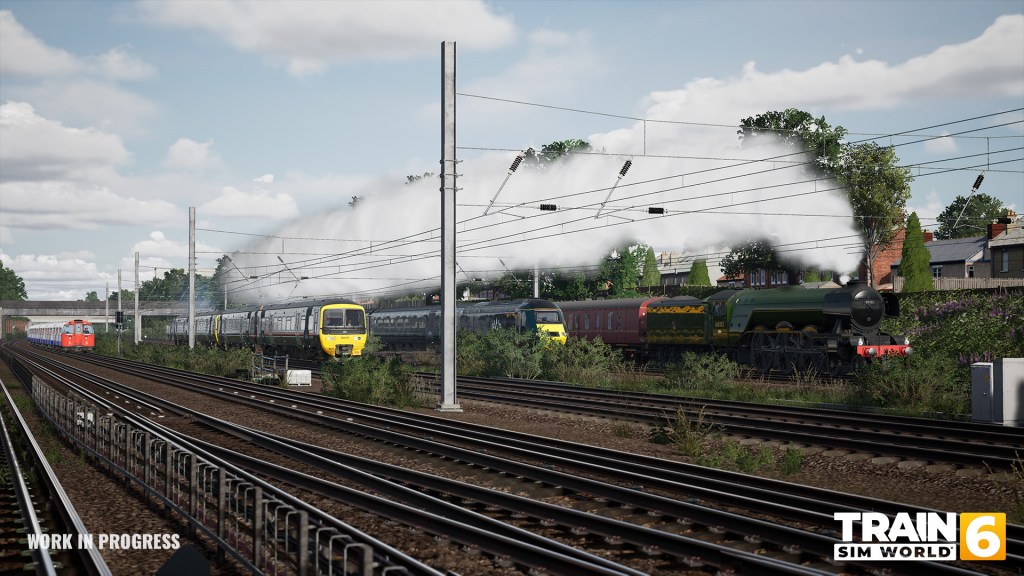
Here’s what you can expect to land with the upgrade:
New Timetables
- New 2017 Timetable (4,674 services & 1,335 playable). Layers up to 23 UK Add-ons to cerate the second-largest Uk timetable in TSW.
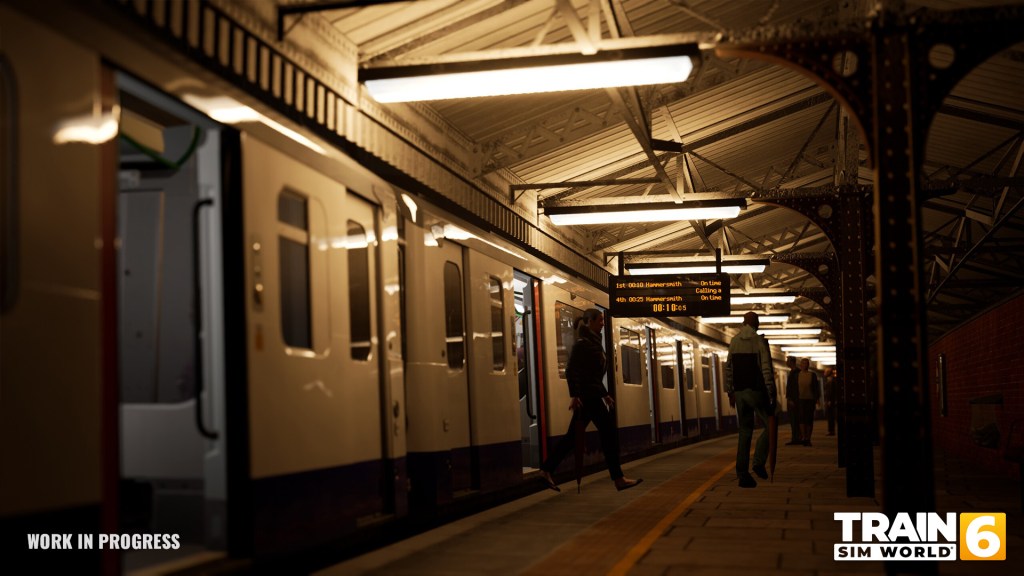
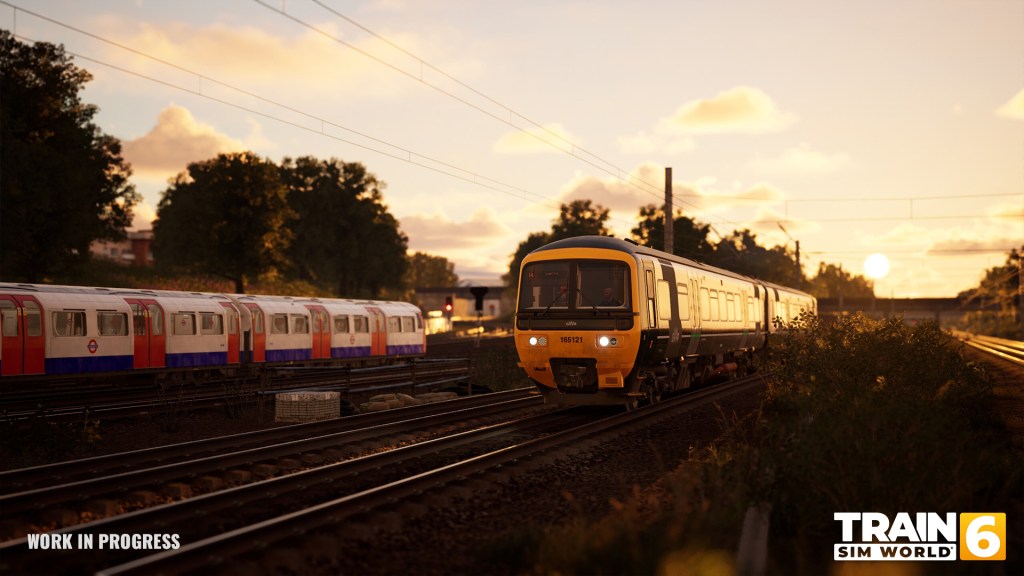
- Full London Underground Timetable. All Circle and Hammersmith & City line services playable using a Class 484.
- Full Heathrow Connect Timetable using a Class 350 in a Heathrow Connect inspired livery to represent the Class 360
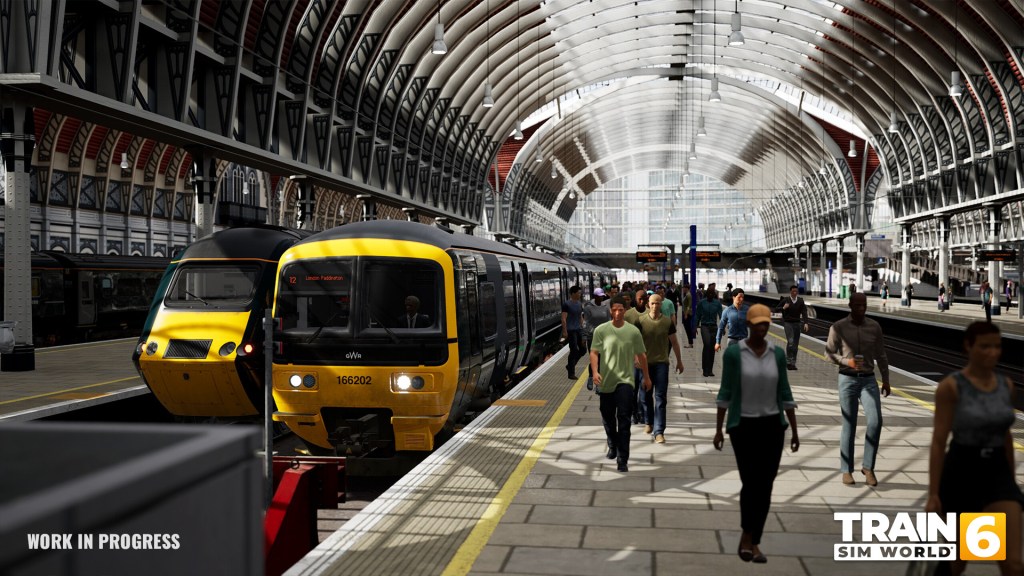
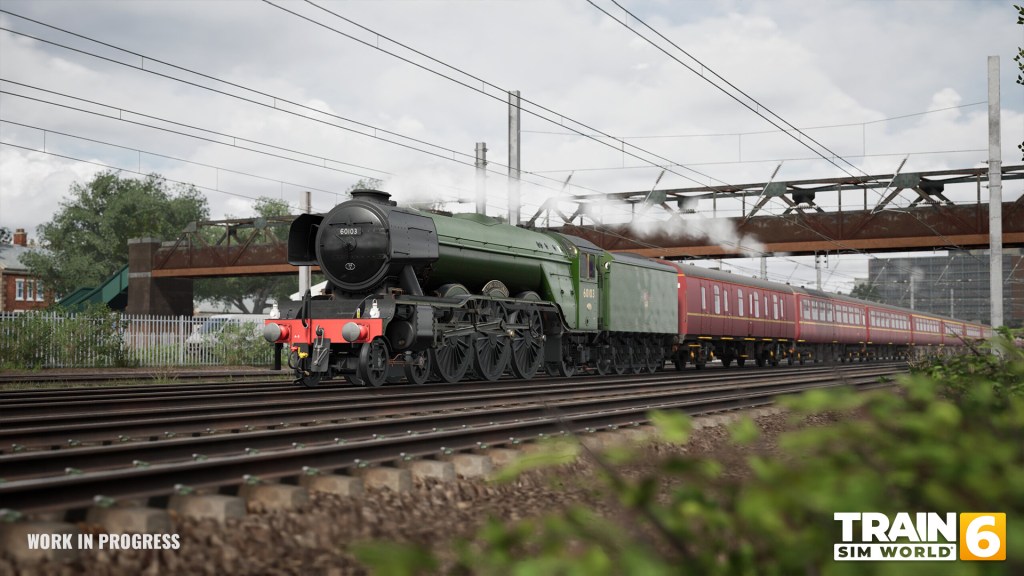
Remastered Updates
- Full lighting overhaul
- Route scenery and texture overhaul
- 2 new stations with full London Underground branding; Royal Oak Station and Westbourne Park.
- New London Underground platforms at Ealing Broadway
- Massive audio upgrade, including brand-new rail singing sounds
- All GWE and Diesel Legends stock upgraded (New wheel blur, guard mode, suspension, reworked lighting/weather vfx).
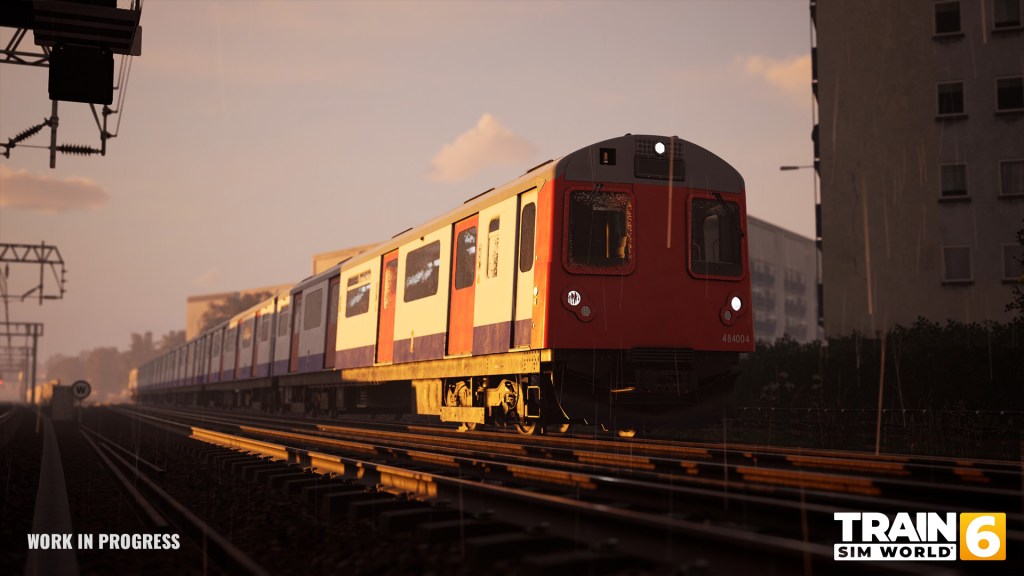
Once the GWE Remaster goes live, we’ll be opening a new thread in our Player Feedback Forums to gather your thoughts and opinions, and help us support the release as best as possible.
Cinema Club
We will be starting Cinema Club again on Wednesday afternoon come and join our Cinema Club in the Cafe at North Tyneside Disability Forum, Shiremoor. Further details will be released in due course. Price is £3.00
Marketing material
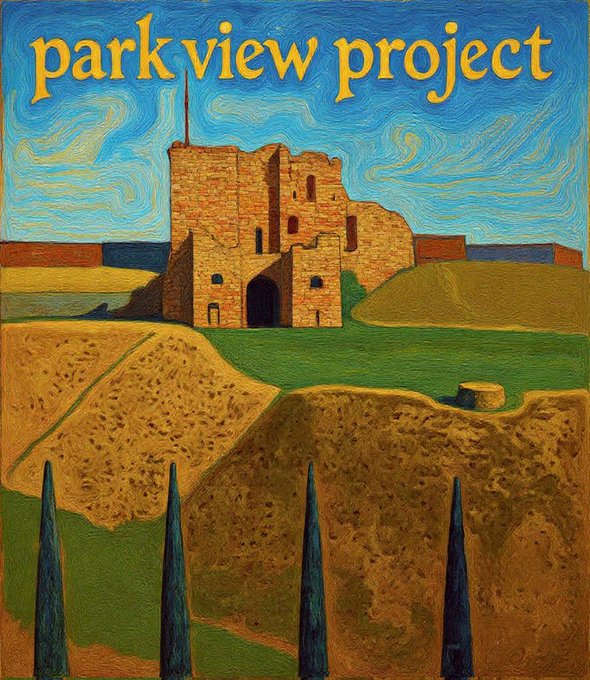
Thank you to Caroline Powell for Designing these marketing posters.
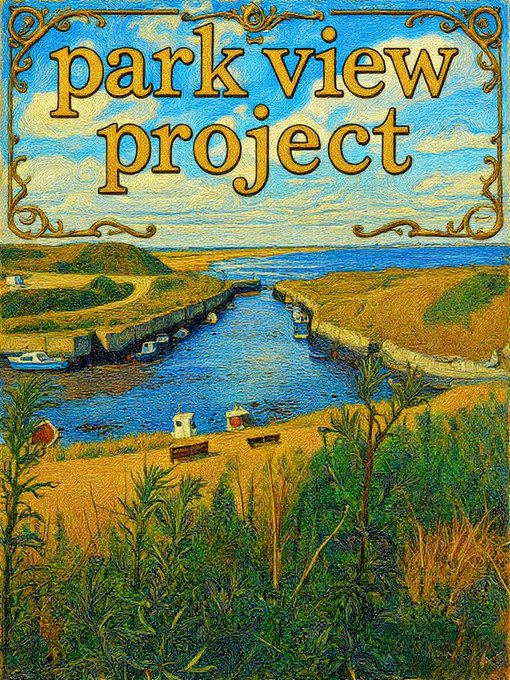
Local scene called Seaton Sluice
Tynemouth Priory
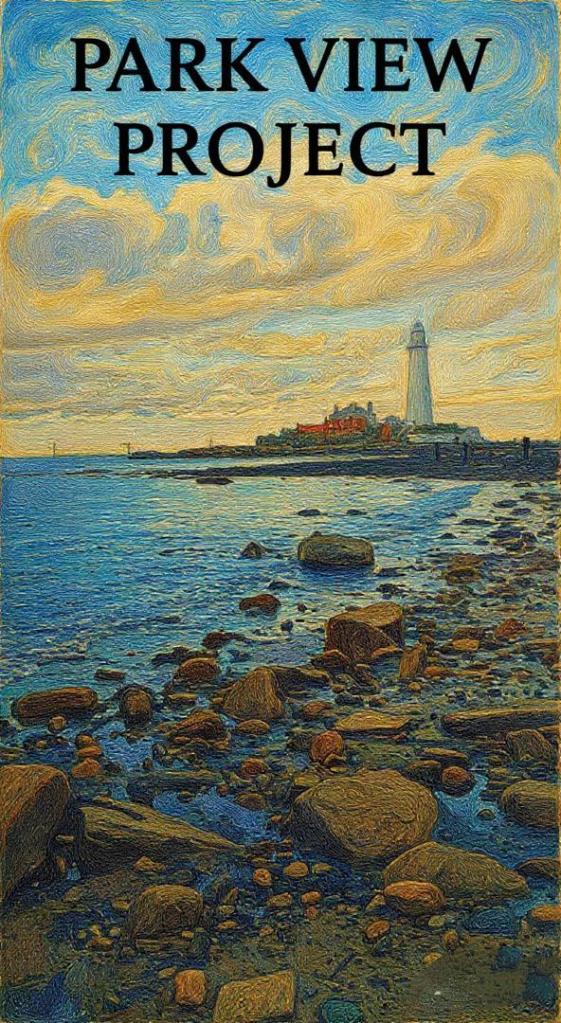
St Mary’s Lighthouse
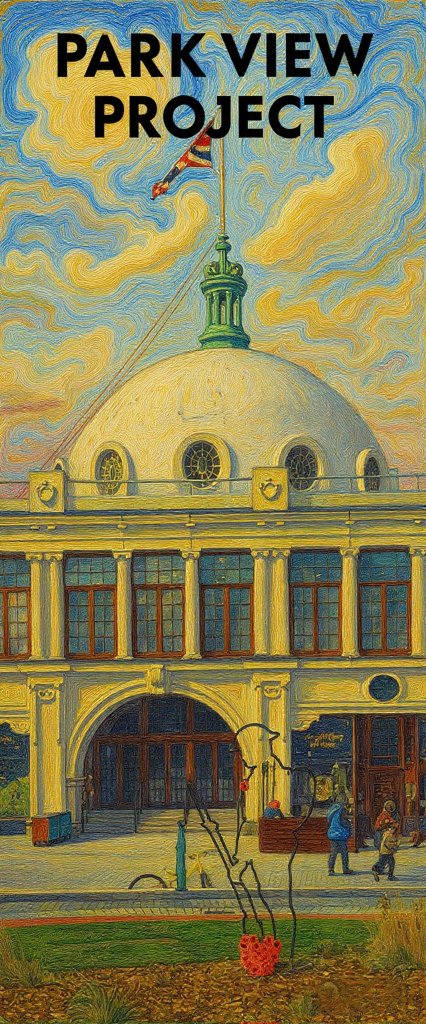
Spanish City
Theme Hospital

Theme Hospital is a business simulation game developed by Bullfrog Productions and published by Electronic Arts in 1997 for MS-DOS and Microsoft Windows compatible PCs in which players design and operate a privately owned hospital with the goal of curing patients of fictitious comical ailments. The game is the thematic successor to Theme Park, also produced by Bullfrog, and the second instalment in their Theme series, and part of their Designer Series. The game is noted for its humour, and contains numerous references to pop culture.
Peter Molyneux and James Leach came up with the idea of creating a Theme game based on a hospital, but Molyneux was not directly involved in development due to his work on Dungeon Keeper. Designers originally planned to include four distinct gameplay modes corresponding to historical time periods, but this was dropped due to time pressures on the team. Multiplayer support with up to four players was added in a patch. The game received a generally positive reception, with reviewers praising the graphics and humour in particular. Theme Hospital was a commercial success, selling over 4 million copies worldwide, and was ported to the PlayStation in 1998. A Saturn version was in development, but cancelled. The game was re-released on GOG.com in 2012 and Origin in 2014, and the PlayStation version was released on the PlayStation Network in Europe in 2008, Japan in 2009, and North America in 2010. Revival attempts have been made with the development of open-source remakes such as CorsixTH.
Gameplay
The player is required to build an environment that will attract patients with comical diseases and then treat them while tending to their needs. The game has a somewhat dark sense of humour, similar to that of its predecessor, Theme Park. Diseases include Bloaty Head (which swells the patient’s head), King Complex (which forces the patient to impersonate Elvis Presley), and Alien DNA (which transforms the patient into an alien).
Starting with an empty hospital, the player must build rooms and hire doctors, nurses, handymen and receptionists. Each staff member has statistics that affect their performance, and doctors can be trained so their statistics will increase. Rooms include GP’s Offices, Psychiatric rooms, Operating Theatres and Pharmacies, and are built by placing down a blueprint, assigning the location of doors and windows, and then placing down required and optional pieces of furniture. The player may also set up items such as benches, fire extinguishers, and plants in the open corridor spaces provided. The player is given time to build the hospital at the start of each level before patients start coming. Patients see a GP in his office who either provides a diagnosis or sends them for further evaluation in a specialised diagnosis room. Once a diagnosis is made, the patient will be sent for treatment. While a few rooms are available at the start of the game, the rest must be researched. Some rooms, such as the Inflator room—where patients with Bloaty Head are treated—contain machines which require regular maintenance by a handyman: if neglected for too long, they will explode, killing all occupants of the room. Doctors must have acquired certain specialist skills to practise in certain rooms, such as the Research room (used to research new rooms and cures, and improve existing ones) and Operating Theatre. There are rooms that only staff use, such as the Staff Room and the Training room, while patients also require certain rooms such as toilet facilities.
Diagnosis and treatment cost patients money, and the player can change hospital policy, including the amount of diagnosis patients require. This can be set to over 100 per cent to force patients to have further unnecessary diagnoses. Other policies include when staff can go on breaks and whether they can leave rooms, and loans can be taken out. From time to time, events such as emergencies (in which patients arrive and must be cured within a time limit or they will die), and epidemics (in which a disease spreads rapidly) occur. During the latter, the player can attempt to cover it up by curing all affected patients before a health inspector turns up. If the player fails, they are fined and must face a damaged reputation, a statistic that shows how well the hospital is doing and affects the flow of patients. VIPs may also occasionally ask to tour the hospital; if impressed, the player is granted a cash bonus, a reputation increase, or both. There is an advisor who keeps the player informed about what is going on. Rats may infest the hospital, and the player is able to shoot them with the cursor.
Although the player has no direct control over the patients, they have some influence over whether to evict them from the hospital and in determining what to do with them when given a choice by the staff. The player can pick up any staff member in the building and move them (mainly to reassign them to another room or send them to get rest), or dismiss them if they argue about pay or are no longer required. The player may force patients to take a chance at a cure for their suspected disease before diagnosis is complete (at the risk of killing the patient), and rearrange queues.
The player competes against computer rivals named after famous computers, real and fictional: these include Holly from Red Dwarf and Deep Thought from The Hitchhiker’s Guide to the Galaxy.[28] The game is timed with days of the year, and at the end of each year (game time), players are judged on their performances, and may be given trophies, reputation increases, or cash bonuses.[29]
Each level has set goals in the fields of financial attainment, hospital reputation, patients cured, and hospital value. Holding negative funds or allowing sufficient patients to die will bring about losing requirements. When the goals have been met the player has the option to move on to a new, more elaborate hospital with tougher winning conditions and more diseases present, or stick with their current one. If enough rats have been shot, the player is taken to a special level whose goal is to shoot as many as possible.
A patch was released that fixed bugs and added support for Serial Cable, Modem, and IPX/SPX network gaming (with up to four players[31]) in the Windows version, and a difficulty setting. In multiplayer, each player has a colour, which patients will wear to distinguish from those of other players. “Litter Bombs” are featured, allowing players to spread litter around other players’ hospitals, while staff members can be persuaded to work for other players, and there are “Mini Missions”, with instructions for players to perform. Players are also able to chat with each other during a game.
Development
Theme Hospital took over two years to develop. The idea came from Peter Molyneux and journalist James Leach, who explored the possibility of other Theme games while discussing Theme Park. Leach suggested a hospital, and Molyneux was enthusiastic about the idea. Development began when the designer Mark Webley selected Theme Hospital from a list of possible games put together by Molyneux, and Webley, along with the artist Gary Carr, visited the Royal Surrey County Hospital, Great Ormond Street Hospital, and Frimley Park Hospital for research and inspiration. Carr was initially displeased at the prospect of working on Theme Hospital: he had previously left Bullfrog to work for The Bitmap Brothers because he did not have faith in Theme Park. He chose to return based on his belief that he would work on Dungeon Keeper, which he was eager to do. Initially, Theme Hospital was to feature real diseases, but these were replaced with fictional, comedic afflictions as it was decided that the game’s maladies should not be too realistic: the team were faced with the dilemma of having to make the hospital fun and interesting, as Webley stated that theme parks are “colourful” compared to hospitals, and Carr believed that hospital rooms looked very similar and that it was hard to tell what each machine does.
It was during a hospital visit (after witnessing an operation that they were ordered out of because they were distracting the surgeon) that they came up with the idea of using made-up illnesses and cures: Carr considered death “quite sad” and believed that illness was not a popular subject. He stated that using made-up illnesses gave them “creative freedom”, which he believed was essential. Webley said that Carr was concerned that using real diseases might be considered distasteful. According to Carr, the team were aiming for humour rather than gore.[38] During the initial stages of programming, Bullfrog hired James Leach, who wrote the game’s text and came up with the diseases. Molyneux was not directly involved in the game’s production as he was then working on Dungeon Keeper.
The graphic design was decided to be modelled from those of cartoons, and a goal was to have two thousand character animations. Another artist was hired to complete the graphics on time,and the team ultimately ended up with four. Fellow artist Andy Bass had difficulty getting the Kit Kat graphics correct. He said they did not have the right colour, so Carr tweaked the palette. Bass modelled the vending machine that would use the Kit Kat graphics and used 3D Studio to render it into the game palette, which he then edited using Deluxe Paint. By spring 1996, around half of the illnesses and animations were complete, the introduction and cutscenes were mostly complete, and the programming of the management system was almost finished. By early 1997, all that was left was refining the difficulty levels.
The game deviates from the NHS model; Webley and Carr decided that players should think of the hospital as a business, with profit highly important. The team, who worked in offices near the Royal Surrey County Hospital, drew some inspirations from Theme Park and borrowed a great deal of code. Webley explained that this was an “obvious starting point” as he had been a programmer on Theme Park, and that the systems had been rewritten by the time Theme Hospital was complete. A program which facilitated animation was built upon by Webley, who dubbed it the Complex Engine. There were not many meetings, and Webley took the team to the pub weekly with a list of tasks to perform. Webley explained that the way the team worked meant that only they could perform their assigned duties otherwise they would not get done, effectively giving members ownership of their parts of the game. It was during one such meeting that the team realised the game was complete. The disease called King Complex was to be called Elvis Impersonator, but Elvis’s estate owned the rights. Bloaty Head was based on an allergic reaction Molyneux had, when his face became an “alarming size”.
According to Leach, the volume of work was small. A big problem was that the team had too many ideas, and insufficient time to implement them all. For example, other diseases were planned; one of these was Animal Magnetism, which would see patients with attached animals which would have to be cut away. Another idea that was not implemented was the possibility of four separate in-game eras: futuristic, mediaeval, Victorian, and modern. The game was originally to have players begin in the mediaeval zone, and progress to more modern ones. By May 1996, the idea of the other time periods had been deemed “prohibitive” due to the amount of graphics required. Carr later stated that the game did not need the other eras, and that the team was small enough to make things up as they went along. Carr was also afraid that if they had produced a design document, Electronic Arts would have considered the omission of the other eras feature cutting. An idea that Molyneux pushed Webley’s team to implement was a screen that enabled players to mix coloured chemicals to apply them to diseases. Accessibility was also a concern for the team: with so many options, it was felt that players could treat the game like work. The tester Jon Rennie simplified the game from the original design; Webley was keen for players to be able to begin play without a long tutorial.
Theme Hospital was released on 28 March 1997 (although it was previously due for release in November 1996), and is part of Bullfrog’s Designer Series. The game attracted some controversy from NHS managers, the Houses of Parliament, and The Daily Telegraph, who published an article criticising the game as “sick” and said that the British Medical Association was using it to train management staff. The NHS argued that the game mocked hospital management. Webley was invited to appear on a local radio station; he did not consider the game to make light of real-world health management because it featured fictional diseases rather than real ones. Theme Hospital was a commercial success, which surprised Bullfrog and Electronic Arts. It repeatedly appeared in the top five of budget charts and sold over 4 million copies. In 2014, Molyneux stated that he wanted the game to make a comeback, and described Theme Hospital as “a great game that I and many people remember”.
Original releases’ cover art used a green cross on a white background, which Bullfrog did not have the right to use. The artwork was mistakenly approved because it was faxed in black and white, and had to be recalled. Later releases changed the cross to a star. Despite its rejection, the cross version is available in more recent formats.
Sound
The music and sound effects were produced by Russell Shaw and Adrian Moore. Moore used Sound Forge to develop the sound effects.[5] Some (such as the snooker balls) were taken directly from its library, and others (including the treatment machines) were created by mixing sounds together. Some machine sounds were created by mixing the sounds of electric egg mixer with that of a hydraulic lifter. The farting sounds were recorded when Moore was working with bands including T’Pau, Prefab Sprout, and Seal at a recording studio: he did so as a joke, but they were useful for Theme Hospital.[5]
Ports and re-releases
A PlayStation port of Theme Hospital was developed by Krisalis Software and released by Electronic Arts in 1998. The PlayStation version was released as a download on the PlayStation 3 and PlayStation Portable from PlayStation Store in Europe on 31 January 2008, in North America on 31 August 2010, and in Japan on 28 October 2009. Later PlayStation Vita version become available on PSN exclusively for Japan. This version is no longer available for purchase in Europe since September 2014, after becoming free for a short period of time. A Sega Saturn version (titled Sim Hospital as of October 1995) was in development and due for release in mid-1996, but was cancelled.
In 2012, Theme Hospital was re-released on the digital distribution service GOG.com. In January 2015, Origin distributed Theme Hospital free for a limited time through their “On the House” programme. It was distributed a second time through the “On the House” programme in September the same year, as a temporary replacement to Command & Conquer: Red Alert 2 due to an excessive number of requests for the latter. It was released a third time in selected countries in 2017 from 7 March to 17 May as a replacement for Syberia 2.
An open-source remake, CorsixTH, improves the original game with features such as modern OS support, higher screen resolutions and a level editor. CorsixTH is available under the MIT Licence, and in 2012, a version was released on Android, available on the Google Play Store.

Promoting my Independence

“I recently used my new washing machine for the first time and have now familiarized myself with its operation. To access the user instructions, it is necessary to scan the code located on the machine.” I am really pleased with myself given I have a Learning Disability. This is all about promoting that we can lead constructive lives and manage day-to-day activities.

WCML: Birmingham – Crewe: Out Now!
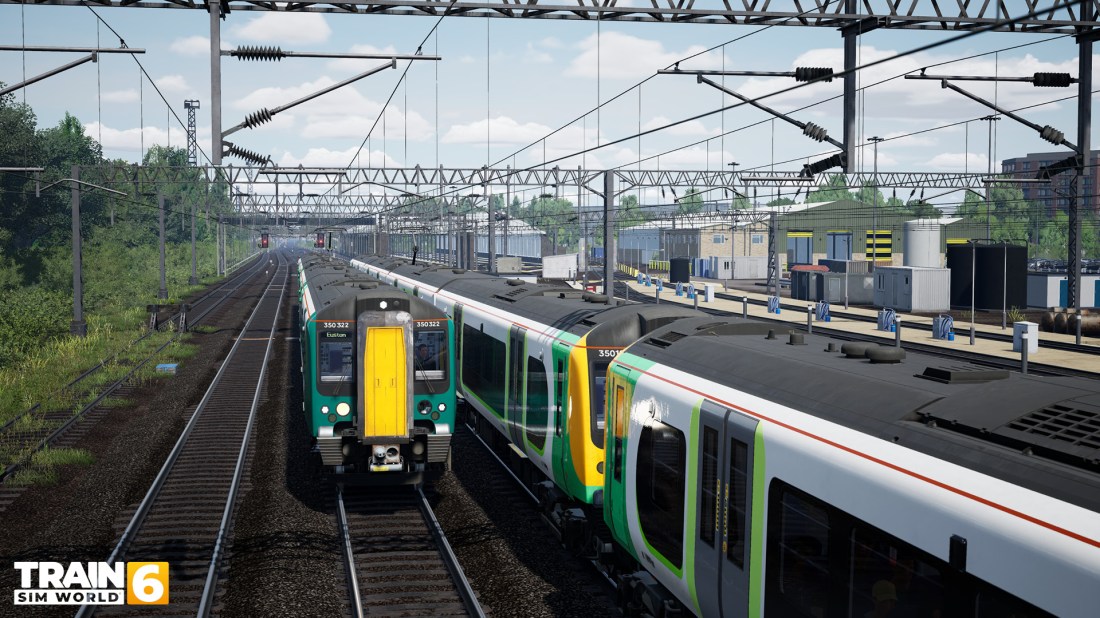
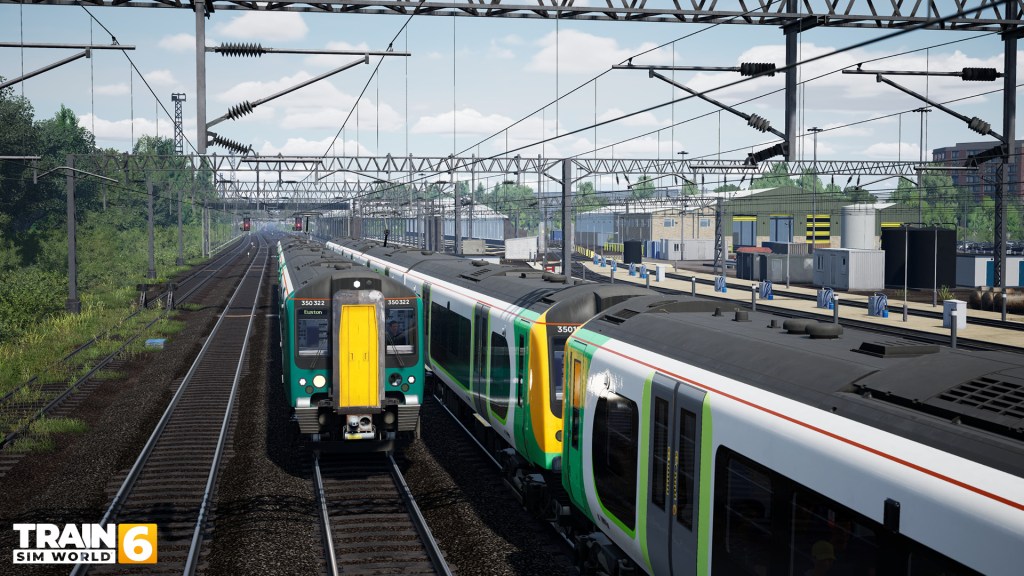
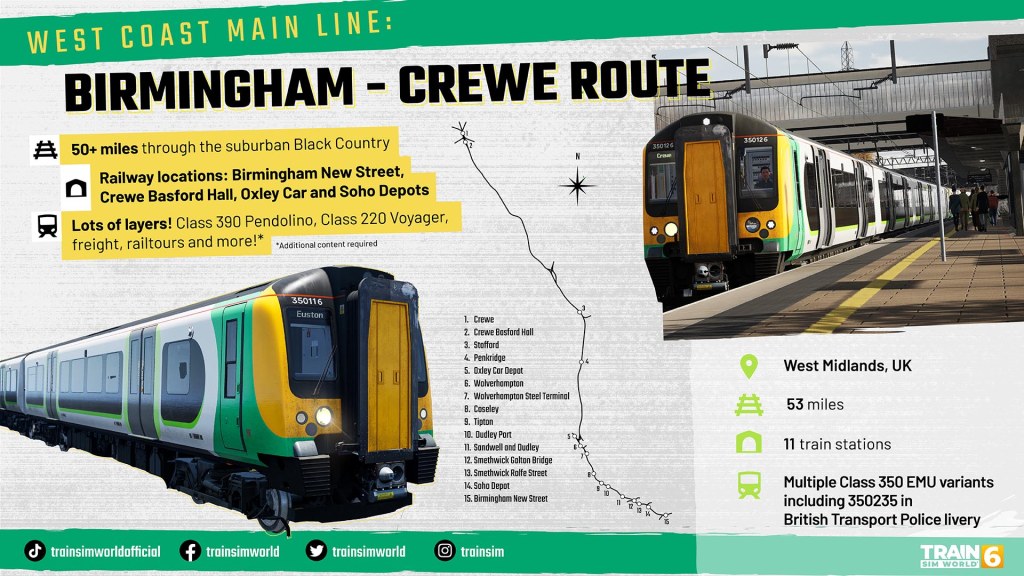
This high-speed section of the West Coast Main Line allows players to race through the heart of the Black Country and serve West Midlands commuters in a variety of trains from other Add-ons. The busy timetable is represented best at important locations on the route, such as Birmingham New Street, Wolverhampton and Crewe stations.
Here, a large selection of layers can be toggled from a wider range of other Train Sim World Add-ons, including the CrossCountry Voyager, Avanti West Coast Pendolino and West Midlands Railway / CrossCountry Class 170.
Included in the route are modern passenger services using the versatile & varied BR Class 350 EMU in multiple liveries. All Aboard Studios have made a number of improvements for this variant, including suspension and brake physics.
Adding an extra layer of personality to the route is 350235, wearing its unique British Transport Police livery. You will see this eye catching unit throughout your drives, appearing across the timetable as it follows its real world diagram.
Passenger and Platform Announcements feature frequently throughout each passenger service, including unique British Transport Police announcements, as well as Passenger Ambience.
Temporary Speed Restrictions are also toggleable as part of Train Sim World 6’s Random Events feature.
A selection of Train Faults are planned for the Class 350 to be implemented for this route Add-on in a post-release patch.
Train Sim World 6: West Coast Main Line: Birmingham – Crewe is out now for Xbox Series X|S, PlayStation 5, Epic Games Store, and Steam for £29.99/€35.99/$39.99
Please note that WCML: Birmingham – Crewe will be released on PC and 9th Gen Console platforms only.
Additional Information:
Both the Dovetail team and the All Aboard Team are working through some existing known issues that we wanted to outline below, to help reduce the chance you encounter these issues. These will be present with the release version, and we will be working to address these in future patches for the add-on.
- Some announcements do not mention destination names
- Station announcements at Stafford can be heard from up to 2 miles away from the platform
- ‘Contingency Measures’ scenario does not direct the player to the newspaper stand on platform 12 at the end (Preventing it being completed)
- ‘Unit Exchange’ scenario for the first change end task after departing Soho, the PBC task is not clearing up.
We hope you have a great experience with the route, if you need any player support, you can request this from our teams on our support website and if you want to share any feedback to our teams, visit our Birmingham Crewe Feedback Thread

 Weevles Updates Disabled Bloggers Team