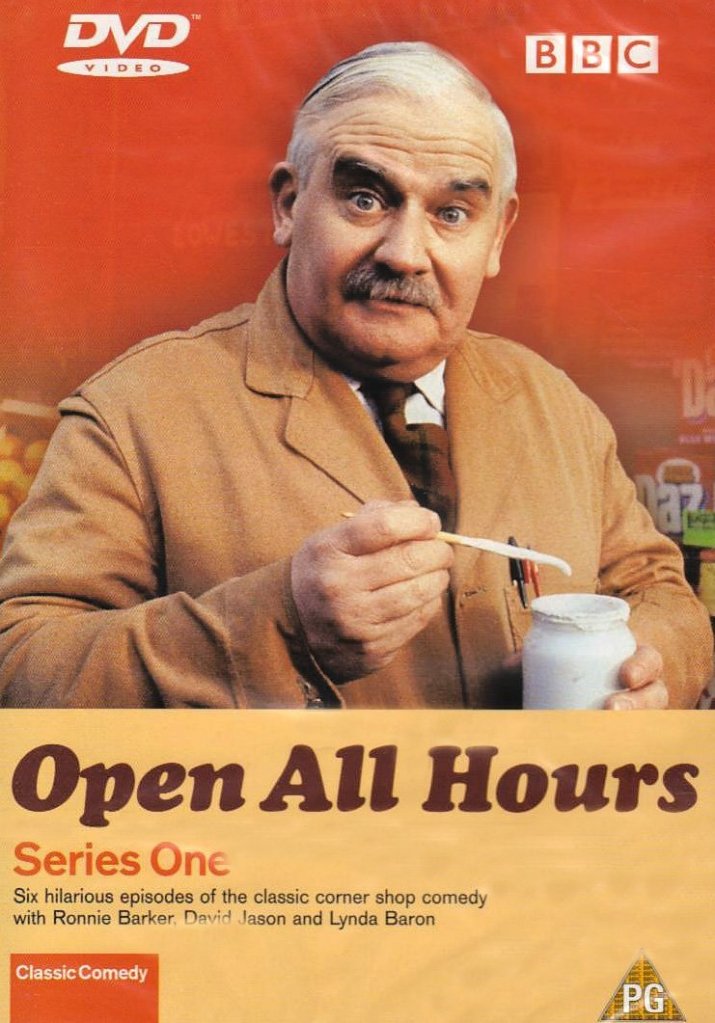
I have really enjoyed watching my two old Open All Hours DVDs from Season One and Season Two. They were very funny and really good I have enjoyed watching all of the episodes of them.
Weevles Updates Disabled Bloggers Team
Weevl Bloggers Corner
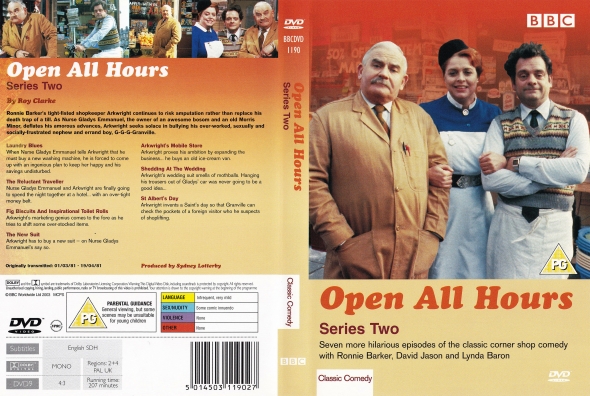
I have really enjoyed watching my two old Open All Hours DVDs from Season One and Season Two. They were very funny and really good I have enjoyed watching all of the episodes of them.

This is my other favourite really old Wwe King Of The Ring pay per views from when I was younger it is Wwe King Of The Ring 2001. It was on Sunday the 24th June 01 when I was fourteen years old when I was in year nine when I was in my third year at Southlands School. It is also from The Wwe Attitude Era 2001 too. It is on for 2 hours and 46 minutes just under 3 hours I am going to watch it on Netflix sometime too.

I really enjoyed my Cheese and Ham Toasties and Salad for my lunch at The NTDF Café last Friday afternoon for lunch it was very nice.

This is one of my favourite really old Wwe King Of The Ring pay per view’s from when I was little. It was on Sunday the 25th June 2000 when I was thirteen years old when I was in year eight when I was in my second year at Southlands School when I was younger. It is on for 2 hours and 39 minutes just over 2 and a half hours I am looking forward to watching it on Netflix sometime it is also from The Wwe Attitude Era 2000 from the year 2000.
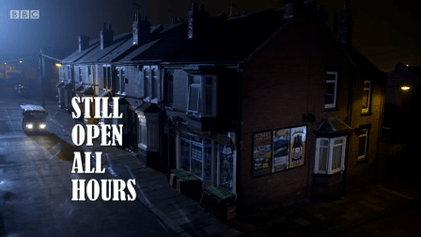
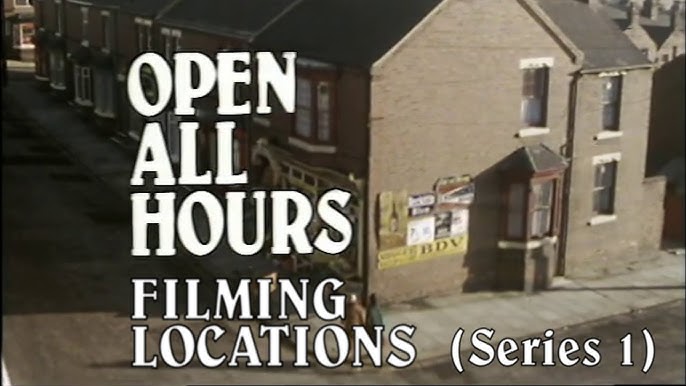
This is one of my favourite comedies I love watching sometimes I am looking forward to watching my two DVD’s of them soon too it is Open All Hours. I think it is really good and very funny too.

I am looking forward to seeing Wwe NXT Deadline this Saturday it is on Netflix but I will be watching it after Saturday night.

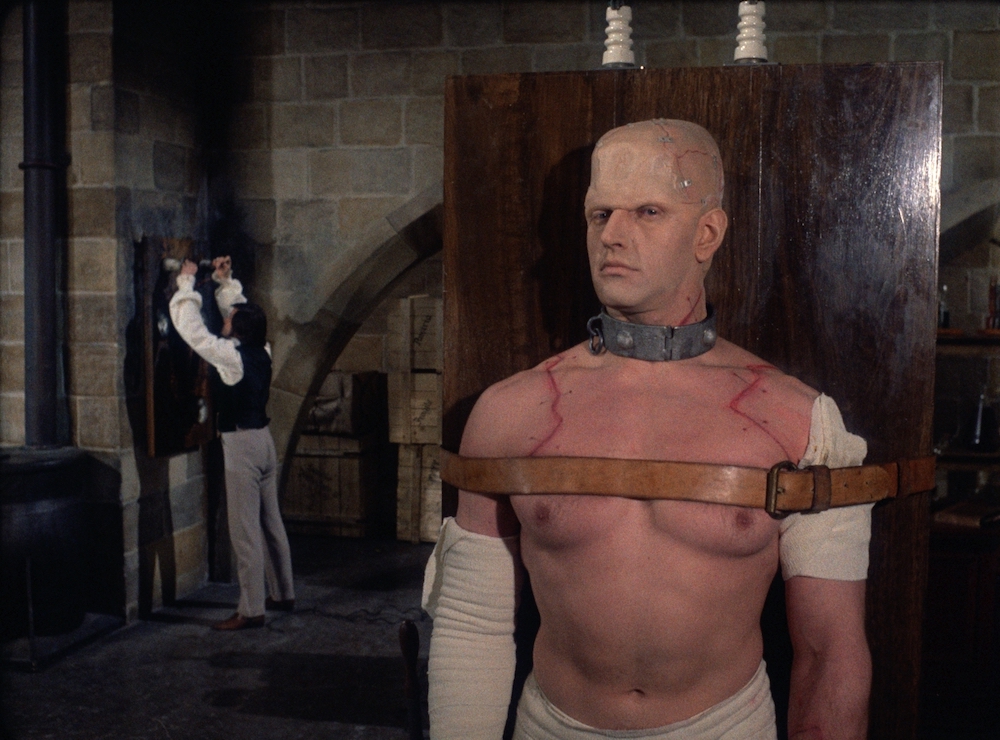
This is one of my favourite really old Hammer House Of Horror film’s from before I was born my Mum got me it on DVD for my birthday this year. It is Horror Of Frankenstein 1970 it came out and was released on Sunday the 8th November 70 and it is on for 1 hour and 35 minutes just over an hour and a half.


These’re my two favourite Wwe King Of The Ring logo’s from the 90’s from when I was little. These’re the Wwe King Of The Ring logo’s Wwe had for The Wwe King Of The Ring pay per view on the wrestling when I was younger.
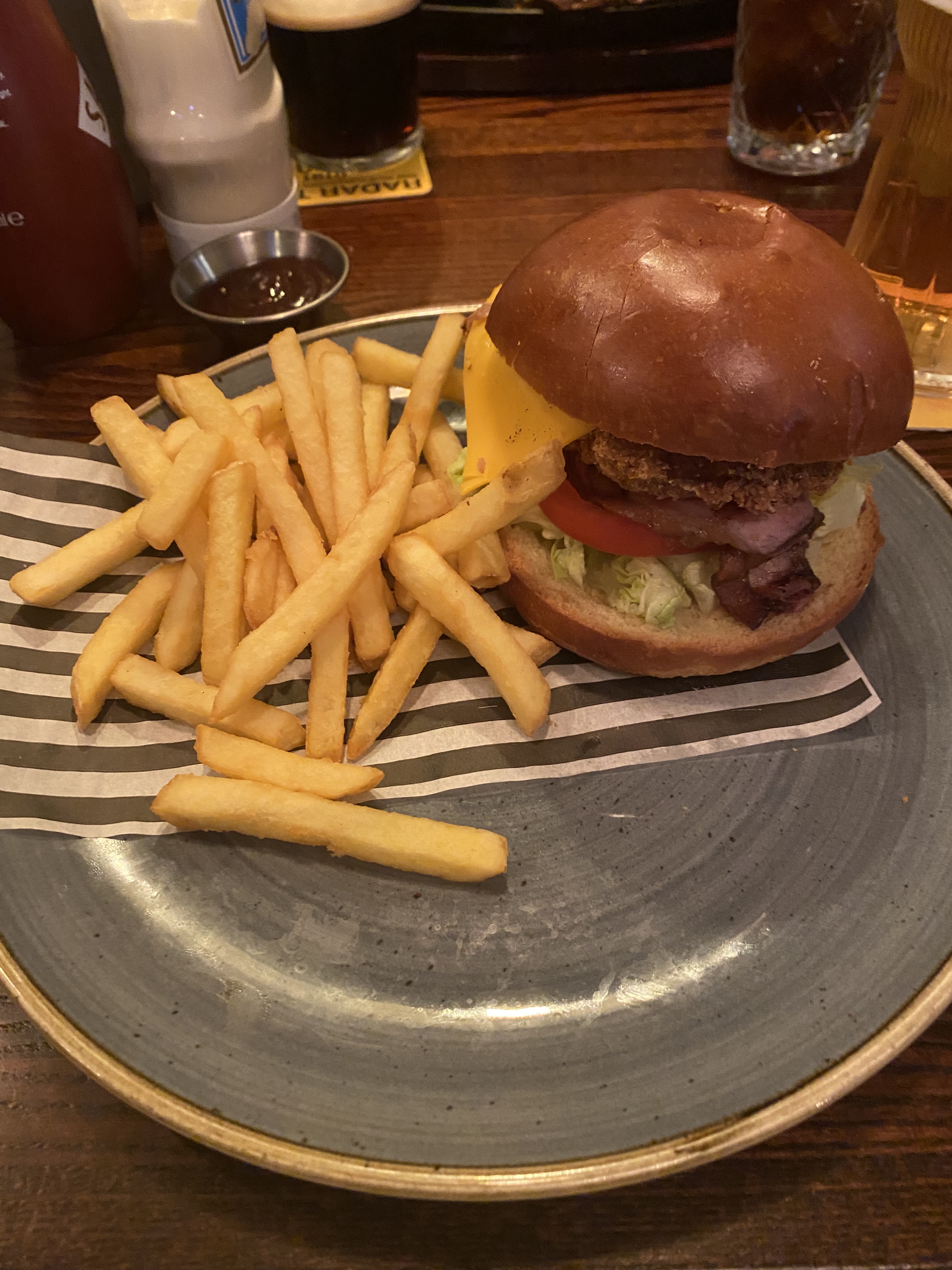
I really enjoyed my Buttermilk Chicken Burger and Chips for dinner last night in The Hunting Lodge when I was with Steve it was very nice. It had been a while since I had my Buttermilk Chicken Burger and Chips in The Hunting Lodge so I really enjoyed it.
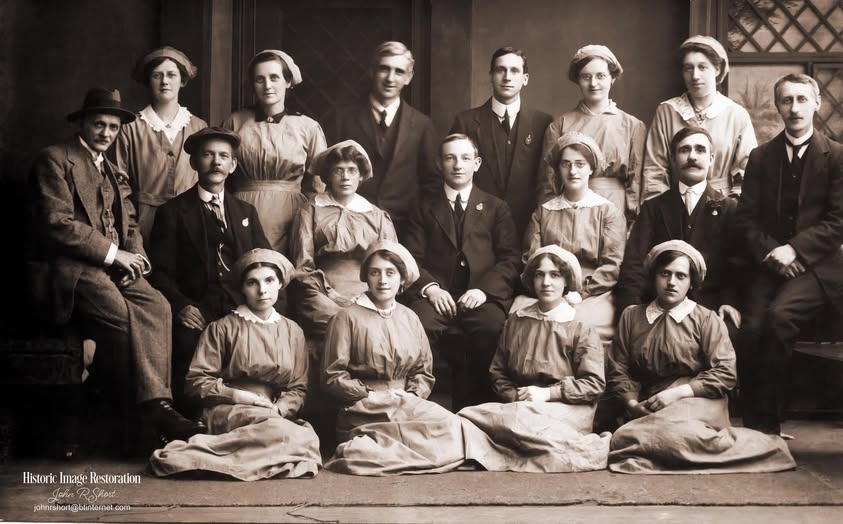
During World War I, Newcastle upon Tyne was a global hub for armament production, primarily through the industrial giant Armstrong Whitworth. The company’s massive Elswick and Scotswood works produced a vast array of war materiel, making it the largest munitions company in the world at the time.
Key Armaments and Production
The factories along the River Tyne manufactured a wide variety of armaments and related equipment:
The Industrial Landscape
The vast scale of the Newcastle armaments industry meant the region had a disproportionately large impact on the war effort and its eventual outcome.
 Weevles Updates Disabled Bloggers Team