
These are my brand new Blinds my Mum bought me for my Bedroom. I really like them I think they’re really good and very nice too.
Weevles Updates Disabled Bloggers Team
Weevl Bloggers Corner
These are my brand new Blinds my Mum bought me for my Bedroom. I really like them I think they’re really good and very nice too.
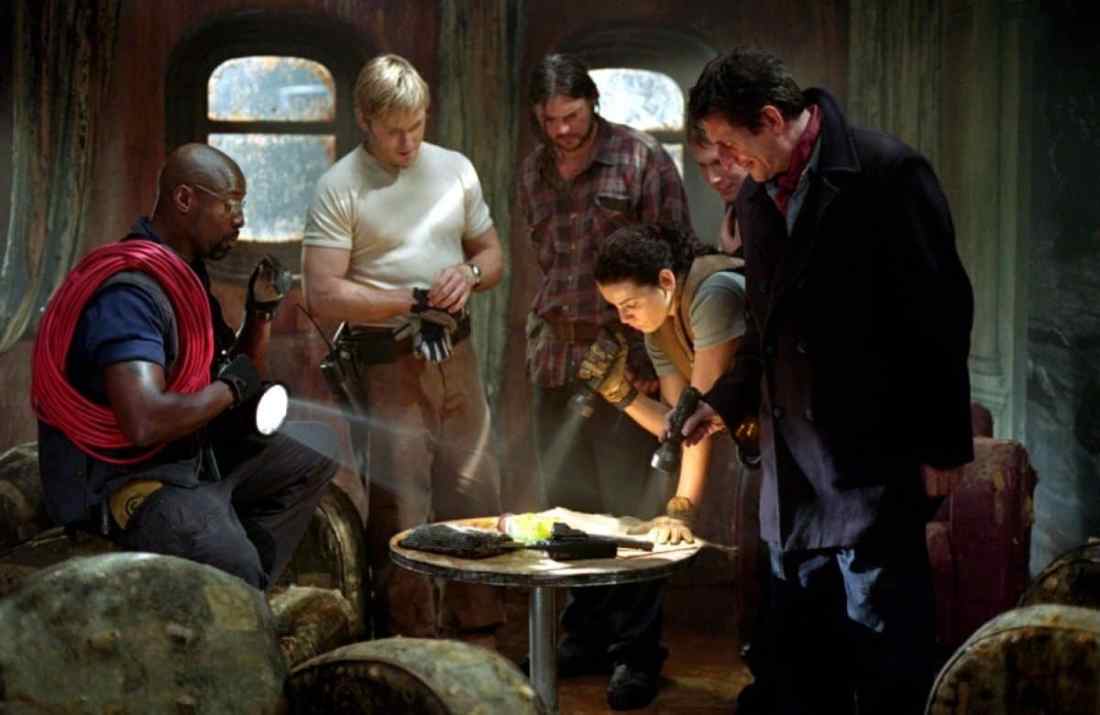

This is one of my favourite Horror films’ I have seen on dvd before it is from 2003 it is on for 1 hour and 30 minutes an hour and a half. I am going to watch it again on Netflix sometime it came out and was released on Monday the 21st July 03 when I was sixteen years old and just after I left Southlands School when I was younger. It is called Ghost Ship.

I am really looking forward to watching this really old Horror film from 1976 on Netflix sometime too. It came out and was released on the 11th August 76 before I was born and ten years before I was born. It is on for 1 hour and 34 minutes just over an hour and a half Peter Cushing is the main Hammer House Of Horror movie star in the Horror movie it is called Land of the Minotaur. I have never seen it before too.

I am looking forward to watching this old Horror film from 1978 from before I was born on Netflix sometime called The Playbirds I have never seen it before. It is The Playbirds it came out and was released on the 6th July 78. It is on for 1 hour and 33 minutes just over an hour and a half.

I am looking forward to watching this really old Hammer Horror film from 1984 on Netflix sometime. It is on for 1 hour and 31 minutes just over an hour and a half. It came out and was released in March 84 two years before I was born. It is Bloodbath at the House of Death. The main star of the Hammer Horror movie is Vincent Price and I have never seen it before.

I am looking forward to catching up with Wwe RAW on Netflix sometime this week. The good thing about RAW and Smackdown being on Netflix that you can watch it anytime because it is always they and it always stays on Netflix too.
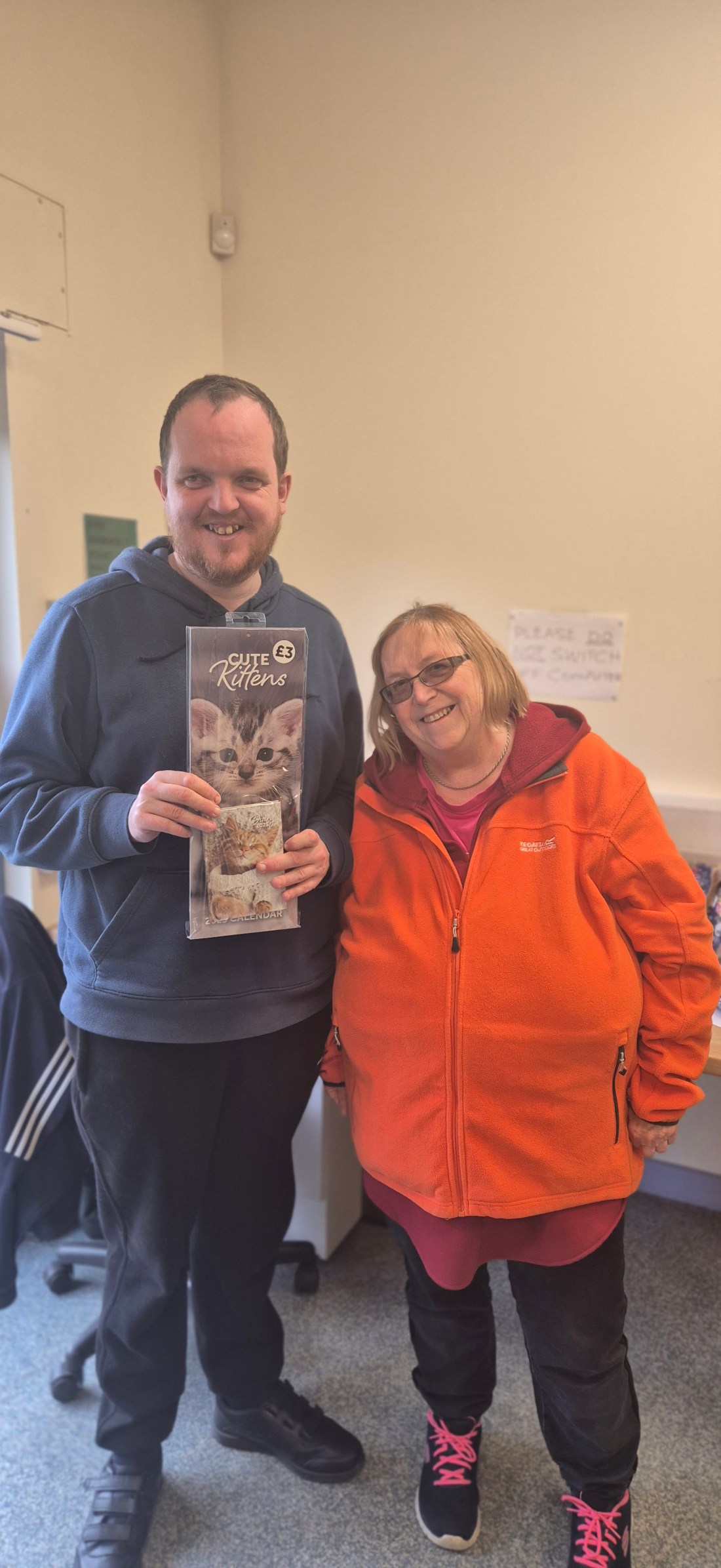
This is a picture of Marion Nunn present my birthday present to me

Scientists from the Commonwealth War Graves Commission, based in northern France, are at the forefront of efforts to identify bodies that are still regularly found in northern France, along the former front lines.
Two unknown Scottish soldiers killed in World War One have been laid to rest in France after their bodies were found during work to build a hospital.
War detectives from the Ministry of Defence (MoD) were called in to try and trace the identities of the two men, who were thought to have died during the Battle of Loos in 1915.
They were among more than 40 soldiers whose remains were interred during a ceremony in the town, near the city of Lille, on Wednesday.
Hundreds of people, including Princess Anne, attended the burial service, organised by the MoD’s Joint Casualty and Compassionate Centre (JCCC) and the Commonwealth War Graves Commission (CWGC).
The battle, which saw British, Indian and French troops attempt to break through German defences in Artois, was the largest British attack of that year.
However, the attack was contained and repelled by German forces.
More than 59,000 soldiers from Britain and India died between 25 September and 8 October – an estimated 7,000 of whom were Scottish.
Ms Bowers said remains were being uncovered on a daily basis in Northern France and Belgium during construction projects.
The process of identifying the dead can take months, or even years.
The team start with the location their bodies were found, then look at any artefacts that have been found on them.
The team said it could offer families “closure” if they were aware of their relatives’ efforts during the conflict, or open a new strand to their family history if they did not know about their involvement. A representative said:
“We are looking for things like regimental shoulder titles, cap badges, bits of uniform, bits of kilt, boots to show they are British,”
“All of that narrows it down to hopefully the correct regiment. Then we look through war diaries to see that we had a regiment in that location at that time and then working out how many were missing from that regiment.
“Families either knew about that soldier and they have grown up knowing that their great-great grandfather was missing and killed in the war, or they knew absolutely nothing.
“But when they give us the DNA, they come on that journey with us for closure. I think they all become invested in the result.”
John Parr was born in 1898 in Barnet and grew up in North Finchley, in London. John joined a territorial unit of the Middlesex Regiment in 1912, lying about his age. He was only 14 at the time (five years younger than the legal age to fight), weighed 8.5 stone and was 5’3” tall. This evidence of his youth soon earned him the nickname ‘Ole Parr’ among his comrades.
Parr became a reconnaissance cyclist – a soldier who rode ahead to gather information on the advancing enemy. In August 1914, Parr’s battalion was stationed in the village of Bettignies, in northern France. Historians disagree about the cause of his death, but the most common account is that Parr was sent to find a missing unit and was killed by rifle fire on 21 August after encountering a German cavalry patrol.
His body was never identified. His mother wrote to Parr’s regiment repeatedly over the following years, asking to be informed of her son’s fate, but she received no information. The age given on Parr’s gravestone is 20. He was actually 17.
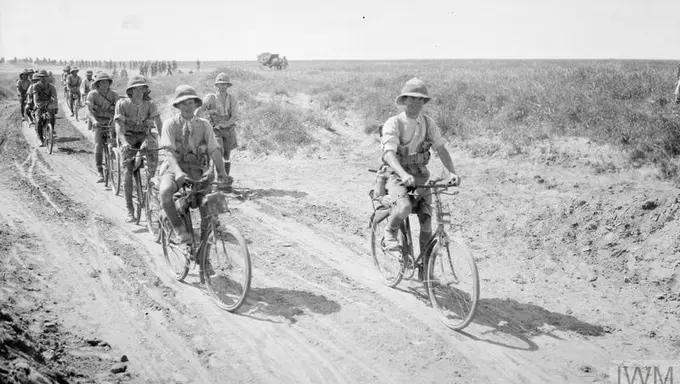
George Ellison, from Leeds, had been a member of the army as a young man before leaving to marry Hannah Maria Burgan and to become a coal miner. However, he was recalled to the army shortly before the outbreak of the war, serving with the 5th Royal Irish Lancers.
Ellison had survived four years of trench warfare, including fighting in the battles of Ypres and the Somme. However at 40 years old, he was shot while out on the outskirts of Mons and killed at 9.30am on 11 November 1918, a day we now mark as Remembrance Day.
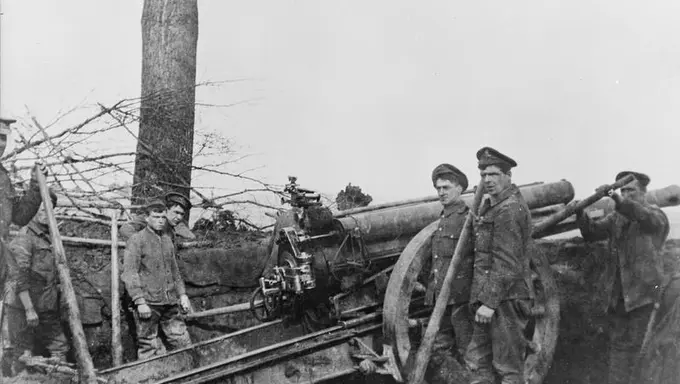
Private Ellison died just hours before the war ended.
Despite the armistice being signed at 5am that morning, orders on the field were to keep fighting, and Ellison tragically lost his life just 90 minutes before the official call for peace.
The place of his death was the same location he had seen action for the first time, as part of the British Expeditionary Force retreating from Mons in August 1914.
He left a wife and a four-year-old son James, who had his fifth birthday just a few days after his father’s death.

Assistive technology plays a crucial role in supporting individuals with different disabilities and chronic conditions. Our goal is to create a tech library with sponsorship from tech companies. Although some products have short-term loan periods, which isn’t always ideal, we are grateful to these companies for their commitment to resolving technical and software issues as they occur. To learn how we can improve accessibility for you, please join one of our drop-in sessions. Our volunteer Digital Champions are ready to assist you in finding what would be advantageous for you. Here is the link to website https://veroniiiica.com/a-to-z-of-assistive-technology-for-reading/

 Weevles Updates Disabled Bloggers Team