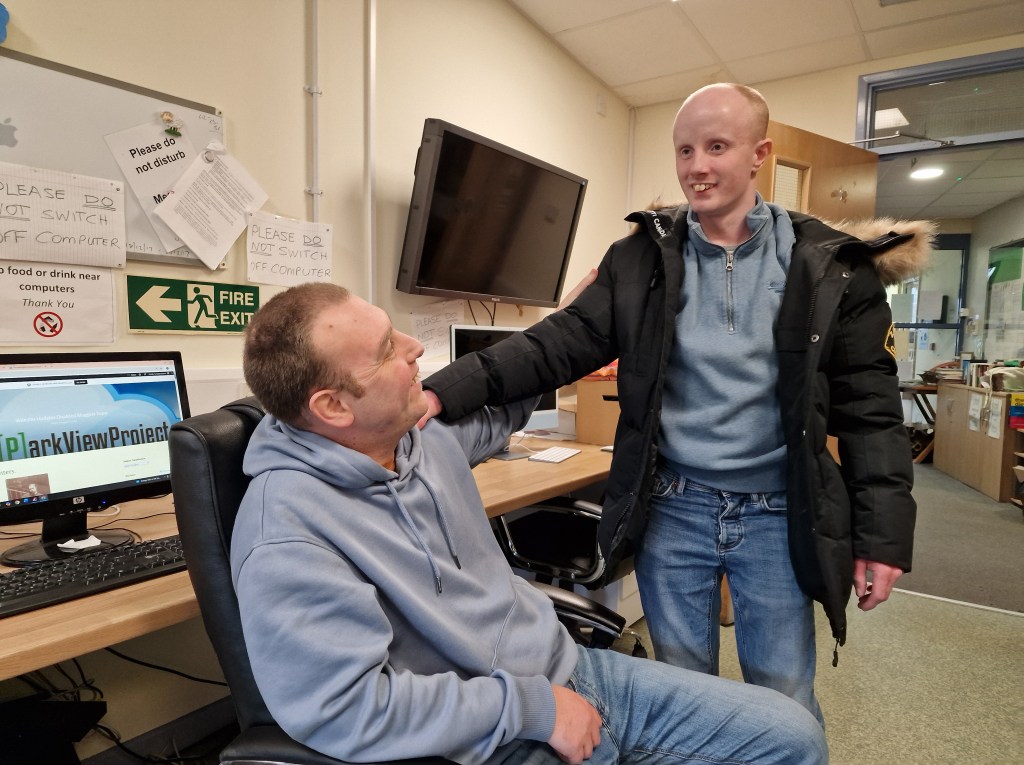
Here we are larking about to ease the tensions of a hard day digital learning.
Weevles Updates Disabled Bloggers Team
Weevl Bloggers Corner
Here we are larking about to ease the tensions of a hard day digital learning.

Sunday 22nd June 6pm
A family show full of music, song, dance, rhyme, and lots of fun! Presented, written and performed by a star studded NTDF cast.
Tickets £7
0191 466 1667
info@ntdf.co.uk
If I earned a pound every time I heard those words, I’d be living on an exotic island. However, as I gaze out my window at another grey February sky, that’s not the reality. Yet, when it comes to how young people with additional needs are choosing to communicate with each other and those around them, the internet (hopefully unlike the grey February sky) is here to stay. So much so that, globally, one in three internet users, or about 800 million, are children. In the UK, Ofcom’s State of the Nation 2020 report indicated that, in 2020, young people faced online risks. The available evidence tells a familiar story. Young people with additional needs are more likely to encounter online risks, and these risks can escalate more quickly than for their peers. For instance, research shows that autistic children face significantly more online safety risks and psychological implications than non-autistic children.


The Digital Futures for good report explores key themes from our flagship conversation series on digital inclusion. It examines the barriers to getting online, the role of leadership, digital skills, affordable access, inclusive digital services, and community support. Discover insights from experts, policymakers and people with lived experience.
https://www.goodthingsfoundation.org/policy-and-research/research-and-evidence/research

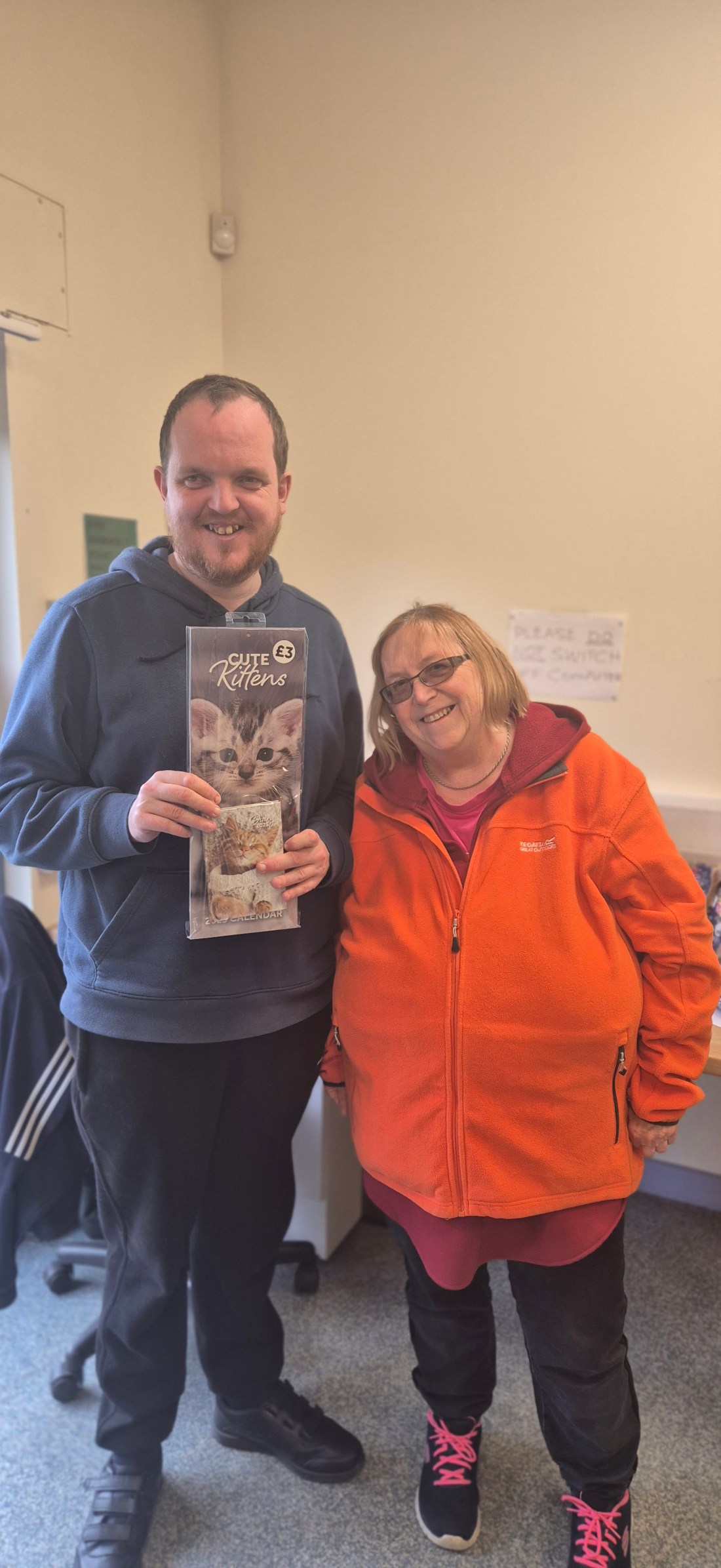
This is a picture of Marion Nunn present my birthday present to me

Assistive technology plays a crucial role in supporting individuals with different disabilities and chronic conditions. Our goal is to create a tech library with sponsorship from tech companies. Although some products have short-term loan periods, which isn’t always ideal, we are grateful to these companies for their commitment to resolving technical and software issues as they occur. To learn how we can improve accessibility for you, please join one of our drop-in sessions. Our volunteer Digital Champions are ready to assist you in finding what would be advantageous for you. Here is the link to website https://veroniiiica.com/a-to-z-of-assistive-technology-for-reading/


In the uk, accessible digital hubs” generally refer to community-based centres, often part of the National Digital Inclusion network, that provide access to the internet, devices, and digital skills training to individuals who might otherwise be digitally excluded, particularly those with disabilities; recent updates show a continuous focus on expanding these hubs to reach more people ensure they meet accessibility standards, with methods to implement user-centred design and collaborate with disability organisations to identify and address specific needs.
Key points about accessible digital hubs in the UK:
Focus on digital inclusion
These hubs aim to bridge the digital divide by providing access to technology and training for people who lack basic digital skills, including those with disabilities
National Digital inclusion Network:
A network of organisations across the Uk that operate digital inclusion hubs, working to reach individuals in their communities
Accessibility standards:
Public sector bodies in the UK are required to follow accessibility guidelines, including WCAG2.2 AA, to ensure their digital services are accessible to people with disabilities.
User-centred design:
Emphasis on involving people with disabilities in the design and development of digital services to ensure accessibility.
Collaboration with disability organisation’s:
Partnership with organisations like Scope and Sense are are crucial to understand the needs of people with disabilities and develop effective solutions.
Increased focus on digital literacy training:
Digital hubs are offering more tailored digital skills training programs to address specific needs of people with disabilities
Accessibility audits and reviews:
Organisational are conducting accessibility audits of their services to identify and rectify barriers faced by people with disabilities.
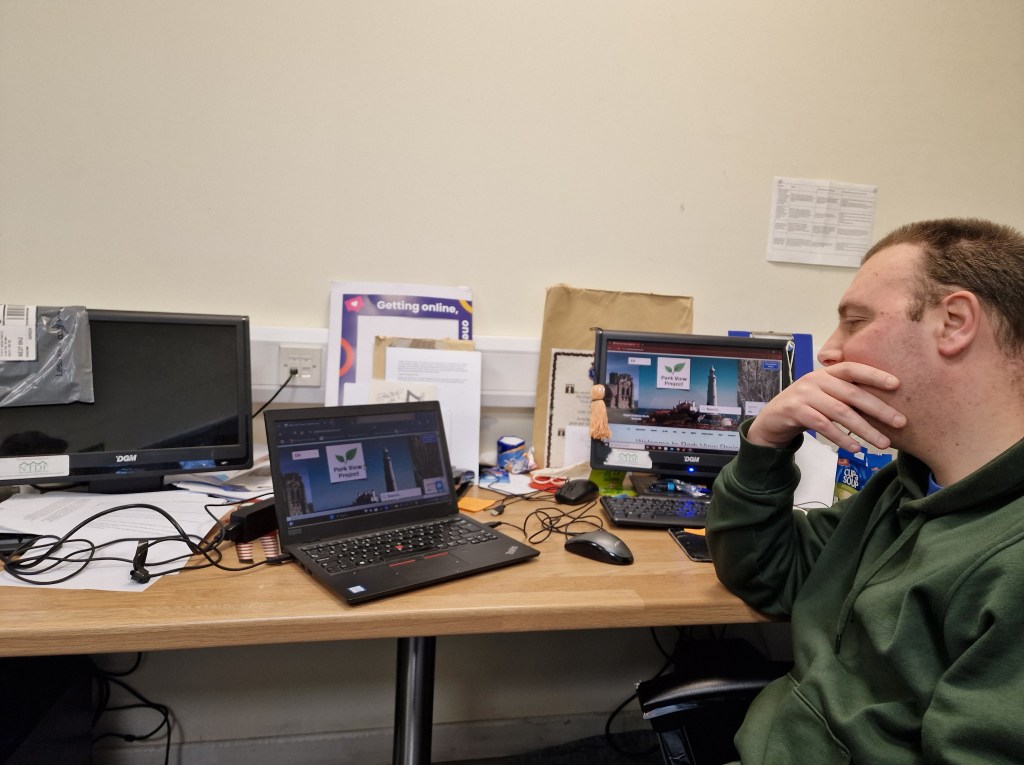
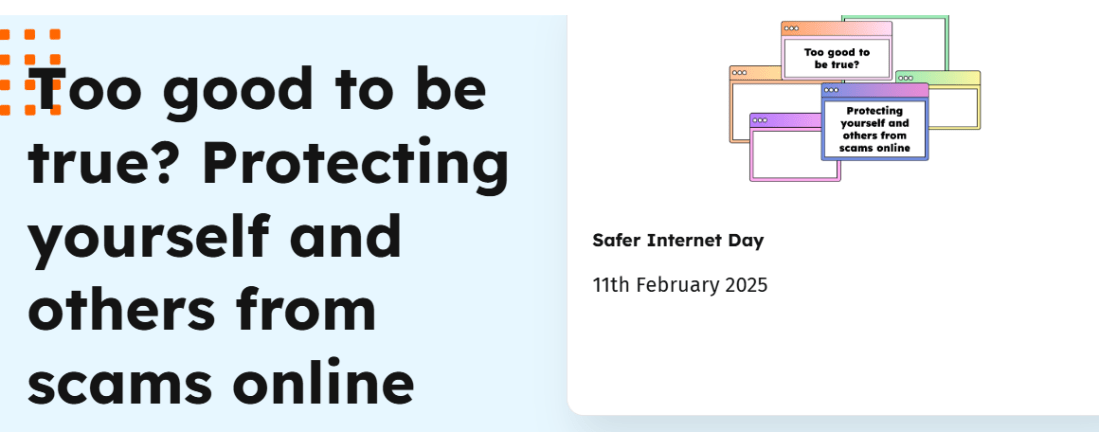
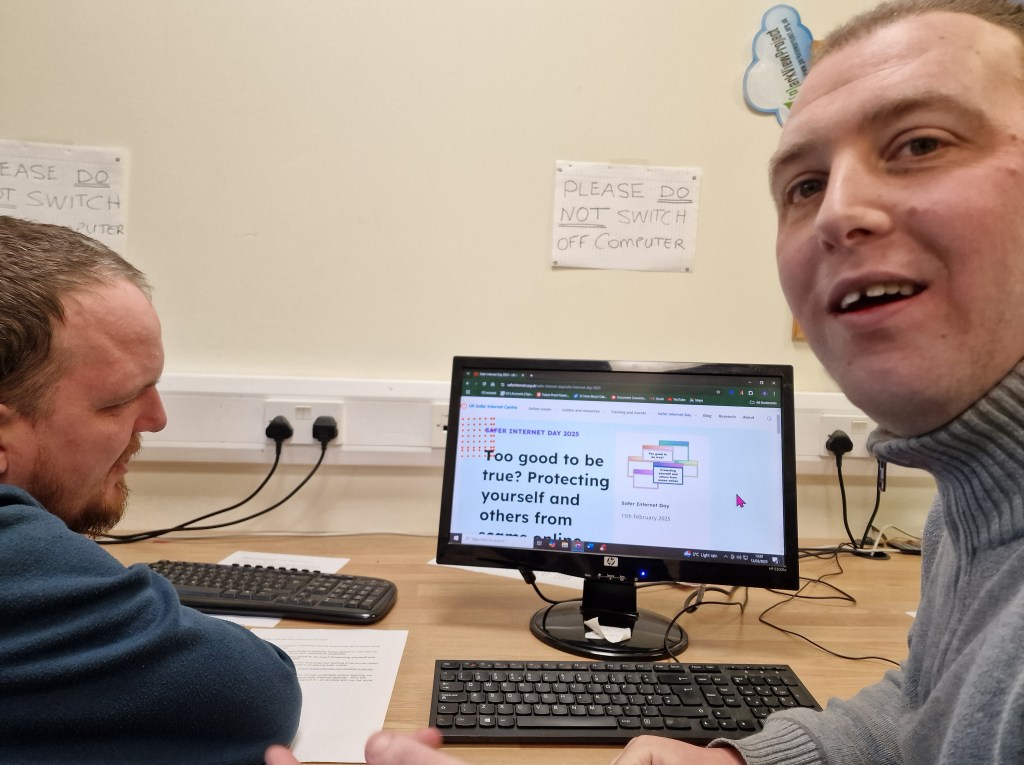
Each year our project celebrates raising awareness about safety while using the internet.
For young people regardless of disability being vigilant is important for all of us, especially those with intellectual disabilities.
This year’s theme is too good to be true? ‘Protecting Yourself and others from scams online’.
For learning purposes, you can downloaded our training programme called Learn My Way and get the basics of staying safe online
All our volunteers on our induction course undertake online learning via our Learn My Way programme, especially security. Why not give it a go, all the courses are designed for all abilities and can be done remotely.
For further information go to https://saferinternet.org.uk/safer-internet-day/safer-internet-day-2025

Disabled people are 35% less likely to have essential digital skills for life those with lower incomes, older people, and disabled people are all at a higher risk of being digitally excluded. Yes, anyone can be digitally excluded. Digital exclusion is not the result of one one factor but many:
The design of digital services and how accessible they are for people with different disabilities
How disability and digital inclusion intersects, or overlaps, with other social categories. Such as race, sexuality, gender, social class and more.
‘intersectionality explains how different social categories interact with one another. These interactions produce unique positions of discrimination and/or privilege. For example, a person using a wheelchair may be able to use a website that a person with visual impairment cannot. Another example is that black wheelchair user may experience a unique from of discrimination rooted in both ableism and racism, compared to that of a white wheelchair user. Intersectionality tells us that there is not a a hierarchy of discrimination. Instead, it offers a way to understand how different factors of our identity interests to produce unique experiences’.

The WHO estimates that more than 2.5 billion disabled people will need one or more assistive technologies in 2030. Yet almost a billion of them can’t access these products. Considering how globalisation is increasing. This means we are denying an entire community from enjoying the same services as everyone else.
Park View project have embraced AL at the level of everyday usage incorporating form filling, document creation, accessibility support, communication. This ensures we can respond appropriately to those with physical, and sensory challenges.
We are aware of the dangers of data protection and constantly raise this with the Digital Hub Network to ensure our voice is head. Like everything else, more needs to happen to make sure AI is a force for good.

 Weevles Updates Disabled Bloggers Team